






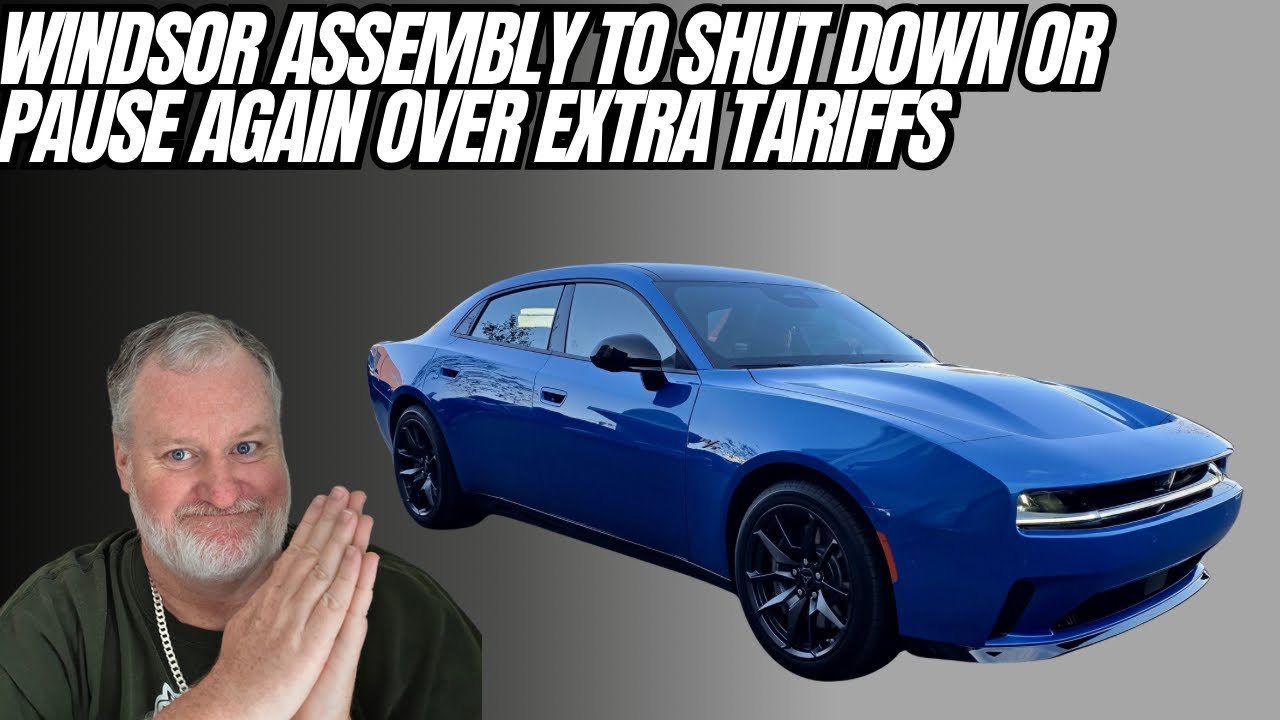
Canada Just Got a New 10% Tariff. Here’s What That Means for Windsor, the Charger, and Your Wallet
I’ve been tracking the U.S.–Canada tariff mess all year because it directly hits Mopar buyers and workers in Windsor. The latest twist: after Ontario aired a TV commercial during the World Series using Ronald Reagan’s anti-tariff message, the U.S. slapped on an additional 10% tariff on Canadian goods, and suspended trade talks with Ottawa. Ontario has already pulled the ad—but the new tariff is the part that actually hurts on the ground. ABC News
Quick refresher: what was already in place?
Earlier in 2025, the U.S. rolled out broad tariffs on Canadian and Mexican imports—think 25% baseline, with reduced rates for USMCA-compliant autos (about 12.5%) depending on content rules. There have already been temporary import halts as the rules got implemented, and Canada retaliated with its own measures. In short: the lane was already rough before this week’s pothole.
Related Post




What’s new (and why it matters)
The extra 10% is a surtax on top of what was already being charged. So if a Windsor-built vehicle qualified for the ~12.5% USMCA auto tariff, you’re now looking at roughly 22.5% total on that unit. If a specific configuration doesn’t meet the USMCA thresholds and sits closer to a 25% rate, the effective take could be ~35% after stacking the new 10%. The exact hit varies by content/qualification, but the direction is one way: up.
For a simple back-of-napkin example, say a Charger with a ~$70,000 U.S. transaction price is being brought in from Windsor. Even if only part of that value is tariffable and there are USMCA carve-outs, a 10% incremental tariff can equate to thousands more in cost per unit before dealer fees, freight, or markup. Multiply that across a month’s worth of allocations and you see why this sends accountants scrambling.
How this hits Windsor, dealers, and buyers
- Windsor Assembly risk: Every time the tariff meter jumps, Stellantis has to decide: eat the cost, pass it through to MSRP/ATP, juggle trims/options to meet content rules, or slow builds until there’s clarity. Earlier reporting already showed temporary import pauses during the spring rollout. Don’t be shocked if we see re-timed shifts or short production stoppages if the economics turn upside down on certain trims.
- Dealers: If the factory tries to hold pricing in the near term, allocations could be tighter. If pricing moves, watch for new sticker strategies (heavier incentives on U.S.-built alternatives, leaner incentives on tariff-hit units).
- Buyers: Expect fewer deals on Windsor-sourced vehicles while this is hot. Also expect longer delivery windows if dealers shuffle orders toward builds with friendlier content math.
Why the Charger and Pacifica are front and center
Two big Canadian-built products matter here: the Dodge Charger (Windsor) and the Chrysler Pacifica (also Windsor). Those lines were already juggling demand swings, powertrain mix changes, and compliance math. Tacking on another 10% at the border—linked directly to the ad controversy and the freeze in talks—adds uncertainty at exactly the wrong time for an already price-sensitive market. ABC News
Could Stellantis pivot?
They’ve got some levers:
- Content optimization: Push builds that clear the USMCA threshold to keep the base rate lower before the 10% kicker. (Still hurts, but less than non-compliant trims.)
- Production timing: Slow or bunch runs to avoid accumulating tariff-heavy inventory. We’ve seen pauses before when rules first bit; it’s a proven play.
- U.S. capacity shifts (medium term): Warren and SHAP are already in Stellantis’ chessboard conversations for other programs. If this 10% becomes sticky, more U.S. build migration talk will bubble up—especially as companies revisit their tariff exposure maps. (Trade-press analysis has tracked these moves all year.)
How fast could this change?
Trade spats turn on politics, and this one is exactly that: an ad aired, tempers flared, tariffs went up, and talks were suspended. If Ontario pulled the spot (they did) and diplomatic pressure mounts, Washington could revisit or recalibrate—but until you see a formal reversal, plan for the 10% to be “real” in pricing and allocation decisions. ABC News
What I’m watching next (and what you should watch)
- Official guidance to dealers: If we see memo language about “allocation adjustments” or “pricing actions” on Windsor-sourced units, that’s your early warning that retail pricing is moving.
- Transportation/port data: Any sudden dips in Canada-to-U.S. unit flows can foreshadow dealer shortages.
- USMCA talk tracks: If Stellantis PR starts emphasizing North American content percentages for specific trims, that’s a tell—they’re trying to thread the tariff needle.
- Negotiation headlines: The same way the ad set this off, a face-saving statement or restart of talks could unwind it just as fast. For now, ABC and others are clear: 10% added, talks frozen. ABC News
Bottom line
This extra 10% isn’t theoretical. It stacks on top of the existing tariff regime and directly pressures Windsor-built Mopar metal—Charger, Pacifica, and any special-order Canadian content that crosses the line. Until talks restart or policy shifts, assume higher landed costs, thinner incentives, and possible production rhythm changes out of Windsor. If you’re shopping, get quotes in writing and confirm build location; if you’re selling or ordering, stay tight with your rep on allocation and timing. ABC News
Sources: ABC News on the new 10% tariff and ad context; Al Jazeera/AFP on Ontario pulling the spot and talks freezing; AP on prior import halts; WardsAuto on the ~12.5% USMCA auto tariff rate and broader tariff backdrop. ABC News