







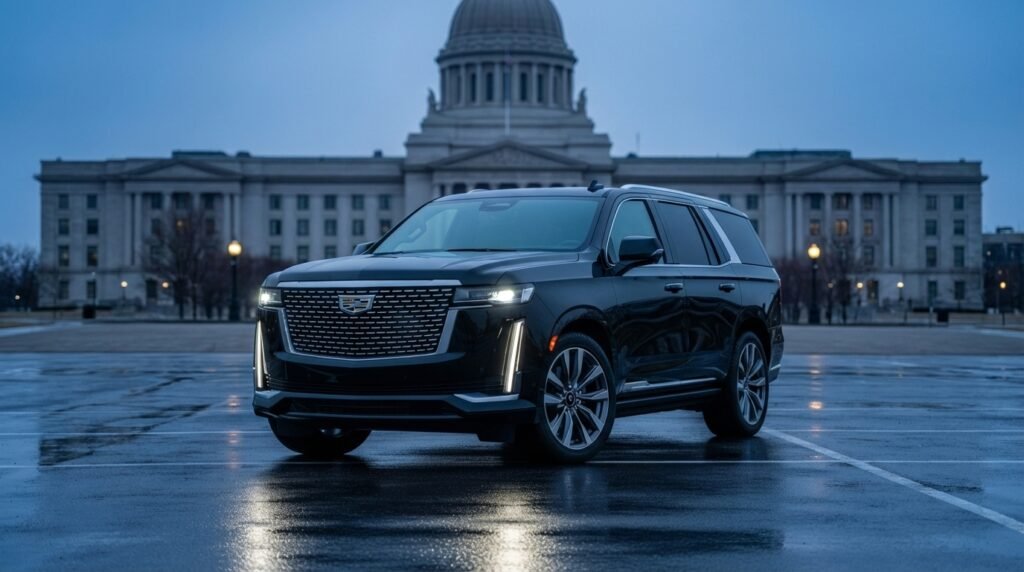
Why are cars so expensive? You are not imagining it. In fact, the average transaction price for a new vehicle topped about $50,000 in late 2025, and prices have stayed near that elevated level since then. Consequently, lawmakers have taken notice and scheduled a high-profile Senate Commerce Committee hearing to examine affordability and federal policy. Reports say the committee invited CEOs from the largest U.S. automakers, and a Tesla engineering executive was also listed among witnesses. However, news outlets show mixed responses from automakers about attending, and some companies reportedly raised procedural objections. Overall, this moment has become a flashpoint between elected officials and industry leaders, and consumers are left asking hard questions. Therefore, the broader debate now links sticker shock to corporate strategy, regulation, and market shifts, while buyers scramble to understand why sticker prices feel so out of reach.
Why Are Cars So Expensive? The Congressional Hearing
Congress scheduled the hearing for mid-January to press auto executives on rising prices, regulatory costs, and the industry’s EV transition. Senator Ted Cruz, who chairs the Senate Commerce Committee, announced the hearing and the committee published witness invitations for the session. Meanwhile, reporting indicates some automakers pushed back on logistics and witness comparisons, and one company sought parity with how Tesla was represented. Additionally, at least one outlet reported that a CEO’s attendance could hinge on whether other industry leaders show up as well. In contrast, other companies have not publicly committed to specifics, and available coverage describes ongoing coordination and negotiation. Because coverage varies across outlets, readers should note that responses and positions may still evolve. Ultimately, the hearing aims to connect consumer pain at the dealership with choices made by manufacturers and policymakers.
CEO Responses and What They Reveal
Automakers’ public replies so far reveal a mix of legal caution and political hedging, and that matters for accountability. For example, some reports say Ford raised concerns about scheduling and requested comparable treatment with other witnesses, while at least one news outlet suggested GM conditioned its appearance on peer participation. Meanwhile, other firms have offered limited public comment and emphasized constructive dialogue instead of headline-grabbing testimony. As a result, the current pattern reads less like cooperative transparency and more like a defensive posture. In addition, the apparent reluctance to testify under oath fuels suspicion that leaders prefer private briefings to public scrutiny. Therefore, for consumers and lawmakers alike, the immediate takeaway is clear: the industry seems reluctant to publicly walk through the strategic choices that contributed to higher retail prices.




The Market Shift: From Volume to Profit Per Vehicle
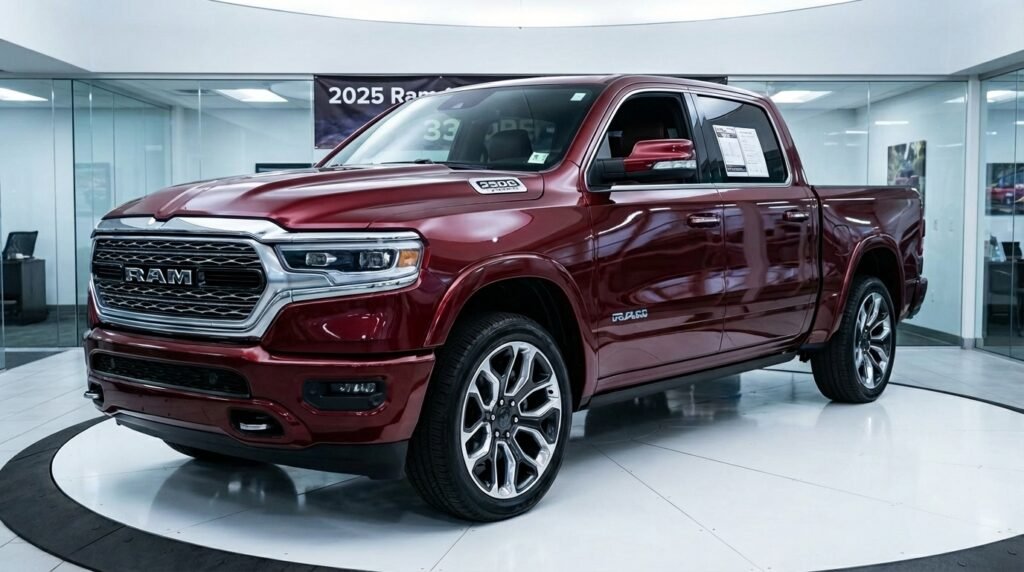
The auto industry deliberately changed its playbook after the pandemic-era disruptions, and buyers now face the consequences. Automakers learned that producing fewer, higher-margin vehicles can lift profits even when sales fall, and they shifted lineup priorities accordingly. For instance, many companies emphasized profitable trucks and luxury SUVs while trimming or discontinuing low-margin compact cars. Consequently, entry-level new vehicles became scarce, and price-conscious buyers moved toward used cars or financed pricier models. Moreover, manufacturers bundled more features into mid-level and premium trims, which pushed typical transaction prices upward. In contrast to the decades-long volume game, companies now optimize profit-per-unit and shareholder returns. Therefore, this strategic pivot helps explain why records set in average transaction prices coincide with robust industry earnings despite fewer vehicles sold.
Supply Chains, Chips, and the EV Tab
Supply-chain disruptions, especially the microchip shortage, reshaped production priorities and pricing decisions during the last several years. When pandemic shutdowns diverted semiconductor capacity to consumer electronics, automakers restarted production into a constrained market and prioritized the most profitable models. Consequently, that scarcity taught manufacturers they could keep margins high by limiting lower-margin output. Additionally, automakers are investing heavily in electric-vehicle technology, new factories, and battery development, and those costs do not vanish. Rather, companies often fund those investments from current profits and cash flow, which means buyers of today’s internal-combustion trucks and SUVs indirectly help finance the transition to EVs. In short, a combination of lingering supply effects and long-term investment choices has helped sustain higher prices, and consumers ultimately subsidize part of the industry’s future.
Features, Bundling, and Dealer Markups
New vehicles now include extensive technology and convenience features, and manufacturers often bundle them into higher-priced packages. Automakers offer advanced driver-assistance systems, large infotainment screens, and convenience bundles that add thousands of dollars to a base model. Furthermore, some safety-related features reflect regulatory expectations, but many added items reflect strategic upselling. At the dealer level, inventory constraints also created conditions for market adjustments and high-margin add-ons during tight supply periods. Dealers frequently offered extras such as protection packages and VIN etching, and those options raised the final out-the-door price. Therefore, even when MSRP looks reasonable, the eventual purchase price often increases through optioning and dealer practices. Consequently, buyers must parse option packages and dealer offers carefully to avoid paying for unwanted features or add-ons.
What This Means for Buyers
For the average shopper, the current landscape demands more skepticism and flexibility than in past years. First, compare total out-the-door prices across multiple dealers and trim levels; do not focus only on the advertised sticker. Next, insist on itemized invoices for dealer add-ons and decline unnecessary extras when possible. Additionally, consider certified pre-owned and off-lease inventory, because many budget-conscious buyers now find better value there. Meanwhile, be ready to walk away from deals that tack on opaque fees. Finally, recognize that elevated prices reflect a mix of corporate strategy, investment choices, and market conditions—so the solution often lies in smarter buying rather than expecting immediate systemic change. Ultimately, pressure from consumers and policymakers may prompt more transparency, and in the meantime you must shop with both eyes open.