










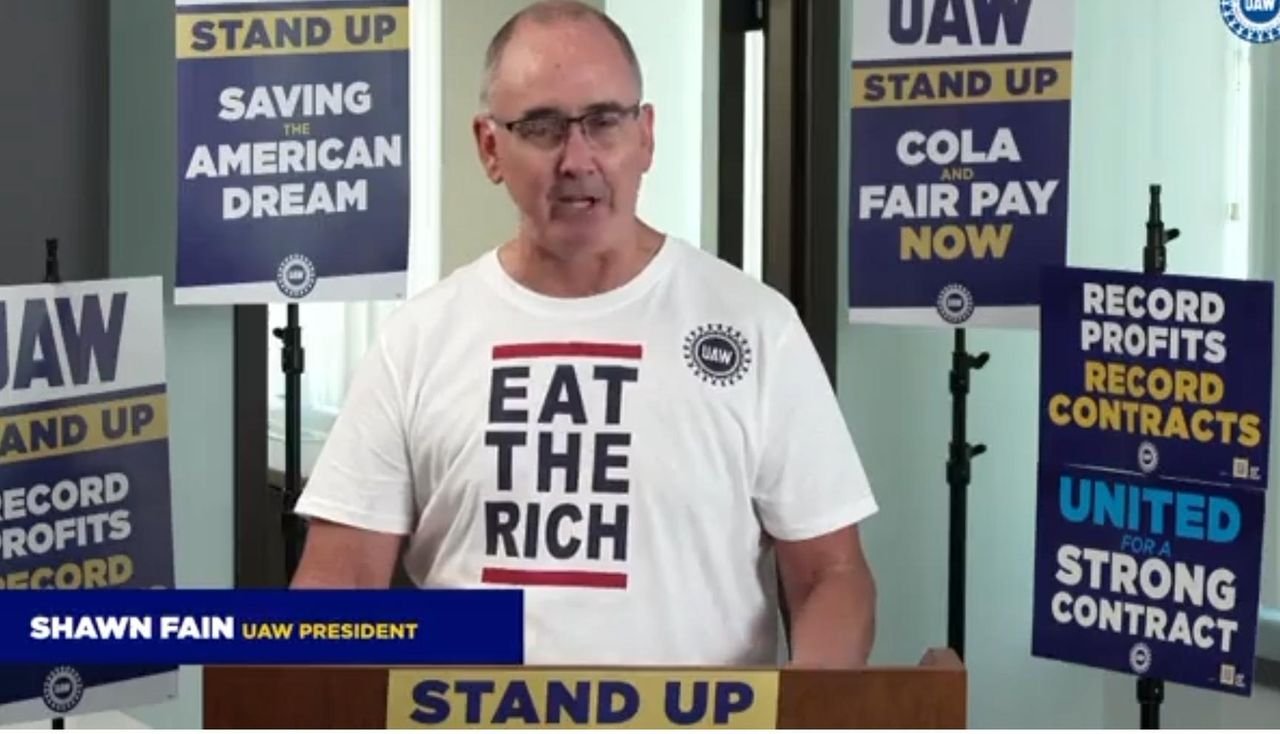
The UAW corruption implosion has thrust the union into a fresh crisis, and the fallout reached the president’s office. For example, a court‑appointed independent monitor has published findings that describe a toxic culture at the top of the union. Moreover, those findings have prompted significant personnel changes and public scrutiny. Consequently, leaders who once promised reform now face accusations of retaliation, cover‑ups, and weaponizing internal processes. In addition, rank‑and‑file members are asking whether leadership remains focused on bargaining or on internal fights. Therefore, the controversy matters not only for headlines but also for governance and oversight of the union’s finances. Overall, what began as a pledge to clean house now reads like a complex institutional failure. Finally, the monitor’s report and subsequent reporting show the matter remains active and unsettled, with broader consequences for members and the consent‑decree oversight process.
UAW corruption implosion: Monitor’s Findings
The union operates under a federal consent decree, and Neil M. Barofsky serves as the independent monitor appointed by the court. Under that decree, the monitor reviews the UAW’s governance, spending, and compliance efforts, and he recently filed a status report raising alarm. Specifically, Barofsky described a “toxic culture of division and retaliation” at the highest levels of the organization, and his filing documents episodes that obstructed oversight and damaged internal checks. In addition, the monitor flagged failures to produce requested communications and other records, which hindered the investigation. As a result, the filing has become a central piece of evidence in coverage of the union’s leadership conduct. Moreover, the report does not just criticize past trends; it highlights current actions by senior officials that the monitor says undermine the consent‑decree goals. Finally, the status report prompted immediate scrutiny of both personnel actions and procurement practices.
How the Monitor Says Retaliation Unfolded
The monitor’s filing specifically recounts the demotion and removal of duties from Secretary‑Treasurer Margaret Mock and places that action in a broader pattern of retaliation. According to the report and subsequent coverage, Mock’s role as a financial check on certain expenditures helped trigger tensions with the president’s office. Consequently, union leadership reassigned her responsibilities and moved oversight of several departments away from her. Moreover, Barofsky’s status report questions the justification used for those reassignments, and he describes how internal processes intended to protect integrity instead appeared to be used to sideline an independent officer. Therefore, the monitor characterized the conduct as part of a divisive pattern, and his findings emphasize that accountability mechanisms must not be subverted for political advantage. In addition, the filing underscores the risk to members when internal controls are weakened for short‑term political aims.




Compliance Process Allegedly Weaponized
The monitor also concluded that the Compliance Department’s independence was compromised and that its procedures were used in ways that harmed institutional checks and balances. For instance, the report states leadership used compliance reviews to advance allegations that reduced the Secretary‑Treasurer’s authority, and it likened the tactic to a “Trojan horse” for sidelining oversight. Furthermore, Barofsky wrote that the appearance of engineered investigations created fear and deterred staff from raising concerns. In addition, the filing questions whether the Compliance function was allowed to operate without undue influence from senior aides. As a result, the report calls for restoring genuine independence to compliance work and for transparent processes that cannot be repurposed as political tools. Ultimately, the monitor stressed that integrity mechanisms must be protected so members can trust the union’s internal discipline and financial governance.
Chief of Staff Resigns Amid Monitor’s Inquiry
In the days after the monitor’s filing became public, Chief of Staff Chris Brooks announced he would leave his UAW post at the end of the year. Importantly, the monitor’s report states that Brooks provided false or misleading information to the monitor’s investigators about actions taken to remove duties from Secretary‑Treasurer Mock. Moreover, the report documents concerns about missing or withheld communications and raises questions about whether key messages were not produced. Consequently, reporters and union officials connected Brooks’ departure directly to the monitor’s findings and the broader probe. In addition, the filing and news coverage show the investigation prompted rapid personnel moves as the union responded to allegations of retaliatory conduct. Therefore, the resignation marks a significant escalation in a dispute that began as internal management decisions but grew into an overseeable compliance issue.
Digital Evidence, Discipline, and What Reported Records Show
The monitor’s inquiry examined emails, text messages, and other communications that are central to reconstructing events, and his filing notes both recoveries and apparent deletions or non‑production of messages. For example, reporting indicates investigators recovered messages from some devices while raising concerns about gaps in other records. Moreover, several news outlets report that Communications Director Jonah Furman was suspended without pay and demoted in response to the monitor’s findings and the evidence described in the filing. In addition, the monitor documented exchanges that described celebrating the success of moves against internal critics, which intensified questions about motive. Therefore, the digital trail played a central role in the monitor’s assessment of coordination and intent. Finally, the report’s focus on communications preservation underscores why transparency and honest cooperation remain essential to the consent‑decree oversight.
Broader Patterns: Cooperation, Contracts, and Oversight
Beyond personnel and communications, the monitor’s filing criticizes failures to cooperate fully with oversight requests and describes withheld documents that frustrated the inquiry. Consequently, Barofsky warned that persistent non‑cooperation could undermine the consent‑decree process designed to root out corruption. In addition, the report scrutinized procurement and contracting practices, noting that contracting decisions require proper vetting and adherence to rules meant to prevent conflicts and favoritism. However, public reporting does not present a single, definitive instance in which the monitor concluded a specific contract violated a three‑bid requirement; rather, the filing asks questions about whether procurement safeguards were observed. Therefore, the monitor urged stronger controls and clearer processes to ensure members’ funds are protected. Ultimately, the filing frames these problems as systemic risks that demand corrective action and restored transparency.
What This Means for Members and Union Finances
Members are the immediate stakeholders, and the monitor’s filing stresses the need to protect more than $1 billion in union assets through independent oversight. Moreover, the report warns political infighting and retaliation have distracted from financial reforms and paused important internal controls. In addition, union dues fund operations, legal defenses, and the very compliance structures meant to prevent misconduct. Therefore, the monitor urged renewed focus on safeguarding members’ money and restoring the institutions that verify spending. For example, the filing and reporting recommend reinstating strong, independent checks on contracts and departmental authority. Consequently, the monitor’s concerns align with broader member expectations that leadership prioritize contract enforcement and day‑to‑day representation over internal political battles.
Conclusion: A Crossroads for Reform
In short, the monitor’s report has exposed serious governance problems that belie promises of wholesale reform, and the UAW now faces a pivotal moment. Furthermore, the departure of senior aides, documented attempts to influence compliance, and questions about communications production have all raised doubts about whether the new leadership will break old patterns. However, the monitor’s involvement and public filing also create a pathway for corrective measures and renewed oversight. In addition, restoring independent compliance, ensuring full cooperation with investigators, and refocusing on member representation can help restore credibility. Ultimately, this episode makes clear that the fight for the union’s institutional integrity continues, and that meaningful reform will require transparent action and accountable leadership.
Sources:
- Official reports from the Court‑Appointed, Independent Monitor of the UAW
- U.S. Department of Justice announcement of Neil M. Barofsky as monitor
- World Socialist Web Site coverage of the monitor’s findings
- Payday Report coverage of the personnel changes and reported communications issues
- GM Authority: reporting on the chief of staff resignation