






The Haters Were Wrong: Why the Charger Six-Pack Deserved Car of the Year
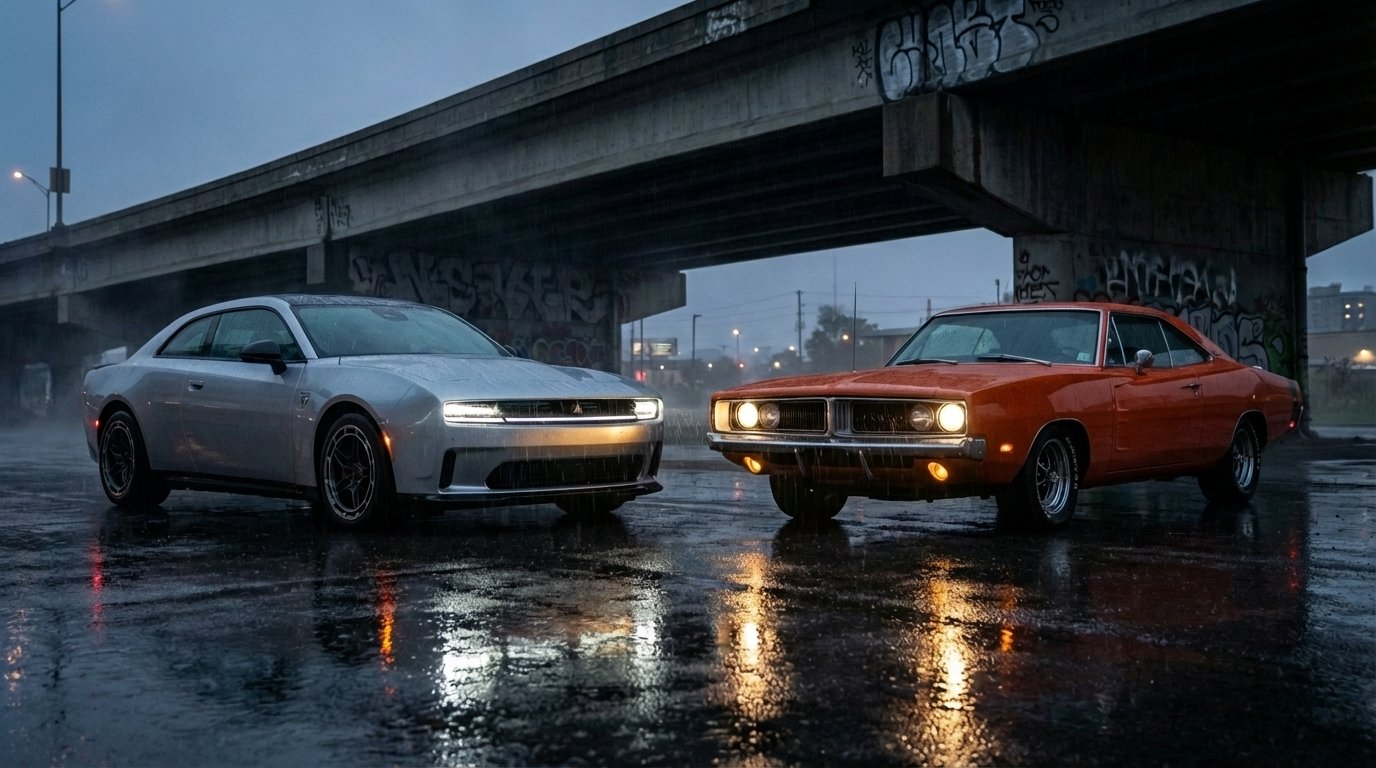
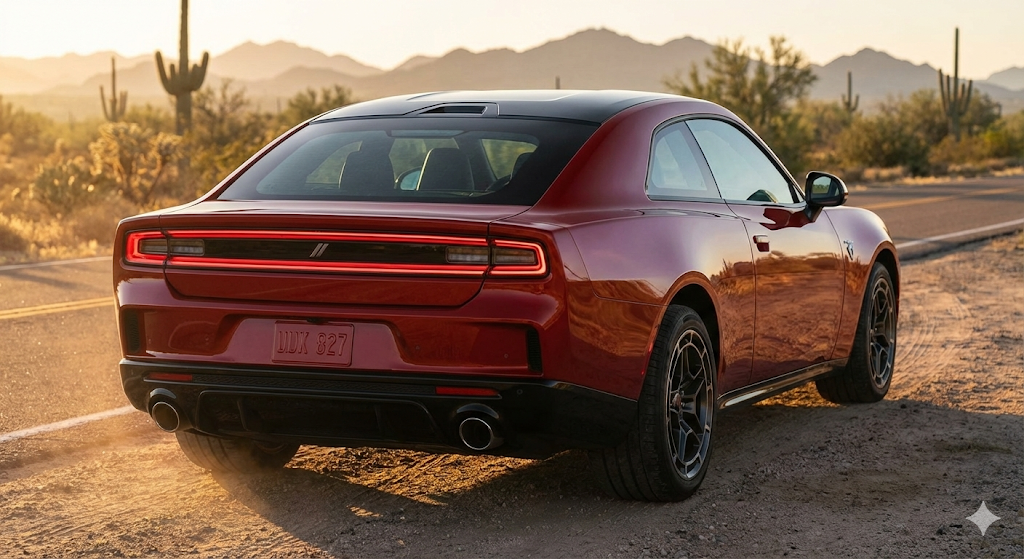
The Dodge Charger Six-Pack sparked an online pile-on, yet the narrative flipped dramatically when it won Car of the Year. For months, critics mourned the Hemi V8 and attacked the switch to a twin-turbo inline-six, and comment sections filled with disdain. Still, TopGear’s decision forced a rethink, and the press release from PR Newswire confirmed the award. Many fans felt betrayed by the change, but engineers delivered measurable improvements that silenced skeptics. In truth, performance data and verified track times do most of the arguing. My spreadsheets back that claim, and my head accepts the technical outcome. However, my emotional attachment to the V8 rumble remains intact. Consequently, this piece breaks down why the award makes sense on paper and why it still stings in the garage.
Dodge Charger Six-Pack: The Award Nobody Saw Coming
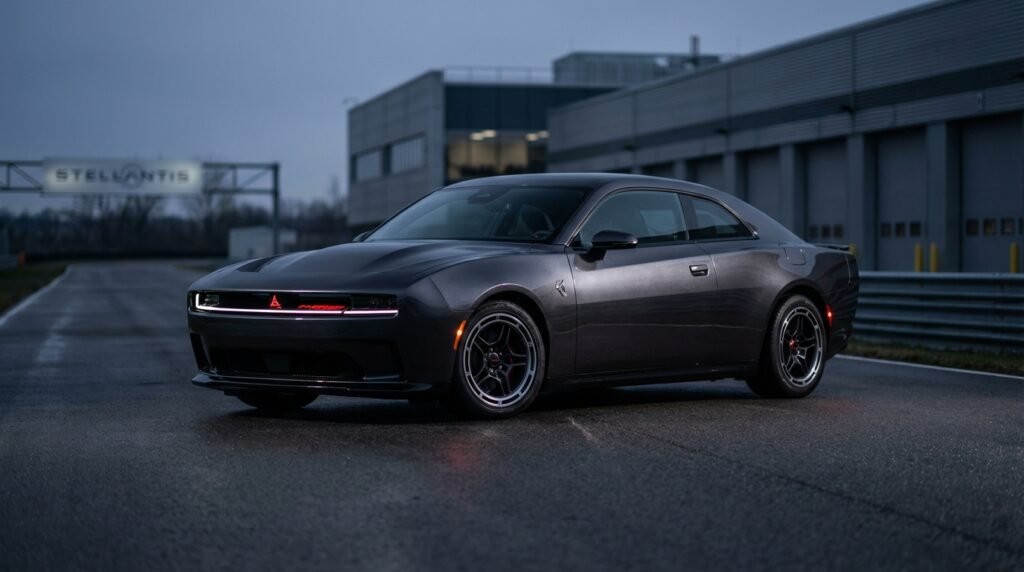
No one expected the Charger Six-Pack to command headlines in the Car of the Year race, and the industry narrative had already favored the electric Daytona. Yet TopGear evaluated the car on performance and capability rather than cylinder count, and they named the gas-powered Charger their 2025 US Car of the Year. Editors praised its engineering audacity and all-weather competence, and the publication highlighted the Hurricane engine as revelatory. Meanwhile, critics who had dismissed the inline-six fell silent when confronted with objective results. The award therefore reads like a vindication of Dodge’s gamble, and it proves that smart engineering can trump sentimental attachment to old hardware. In addition, the win sent a clear message: manufacturers that rethink tradition can still produce thrilling cars without repeating past formulas.
By the Numbers: The Six-Pack Demolishes the Hemi
Numbers strip emotion from the argument, and the spec sheet strongly favors the Hurricane inline-six over the outgoing Hemis. For example, the twin-turbo 3.0-liter Hurricane configurations outpace the old V8s in key metrics, and that shift is hard to argue with. Engineers extracted more power and torque from less displacement, and the result is a lighter engine that delivers stronger midrange performance. Consequently, the new Charger trims weight over the front axle while offering greater usable shove at everyday speeds. This transition matters on the street and at the strip, and it changes how the Charger behaves in traffic and on twisty roads. Overall, the figures reveal that Dodge did not merely replace the V8; they improved usable performance for a wider range of driving scenarios.
Related Post





High Output Hurricane vs. The 6.4L Scat Pack
The Scat Pack’s 6.4-liter Hemi earned legendary status for delivering strong naturally aspirated power, but the Hurricane High Output (H.O.) reorders expectations with an impressive horsepower jump. Specifically, the H.O. tunes produce notably higher peak horsepower compared with the older 485-horse Scat Pack, and that increase is immediately noticeable in acceleration. At the same time, reported torque figures for the H.O. in other models suggest a significant advantage, and early drives indicate a beefy midrange. Therefore, the smaller twin-turbo inline-six not only outpaces the larger-displacement V8 on paper but also delivers more usable torque where drivers actually use it. As a result, the Scat Pack’s former edge now looks modest, and the new High Output Hurricane claims the performance crown in straight-line and real-world scenarios.
Standard Output Hurricane vs. The 5.7L Hemi
Comparing the base-level engines reveals an even more striking shift in everyday power delivery, and the Standard Output (S.O.) Hurricane shows clear gains over the venerable 5.7-liter Hemi. Whereas the old R/T’s V8 offered solid numbers for its time, Dodge now equips the entry-level Charger with substantially more horsepower and torque. Reported figures place the S.O. Hurricane well above the 5.7L on both counts, and that upgrades the baseline driving experience for all gas-powered 2025 Chargers. Consequently, buyers lose no practical performance by choosing the newer six-cylinder platform, and they gain better midrange response and greater versatility. In short, the new base engine elevates the entire model lineup rather than creating a weak entry point.
The Engineering Truth: Why It’s Faster on the Street
Peak numbers tell part of the story, yet how the car uses power explains why it feels faster in everyday driving. First, the Hurricane’s twin-turbo setup delivers strong torque early and across a broad rev range, and that makes highway passes and corner exits effortless. Second, the new platform routes power to all four wheels, and that change transforms launch consistency and traction in poor conditions. Third, the engine’s lighter, more compact design reduces front-end mass, and that improves turn-in and balance on a road course. Together, these engineering choices produce a Charger that accelerates more consistently, handles with greater composure, and inspires driver confidence. Therefore, the award reflects real-world superiority rather than a single headline spec.
Twin-Turbo Torque is King
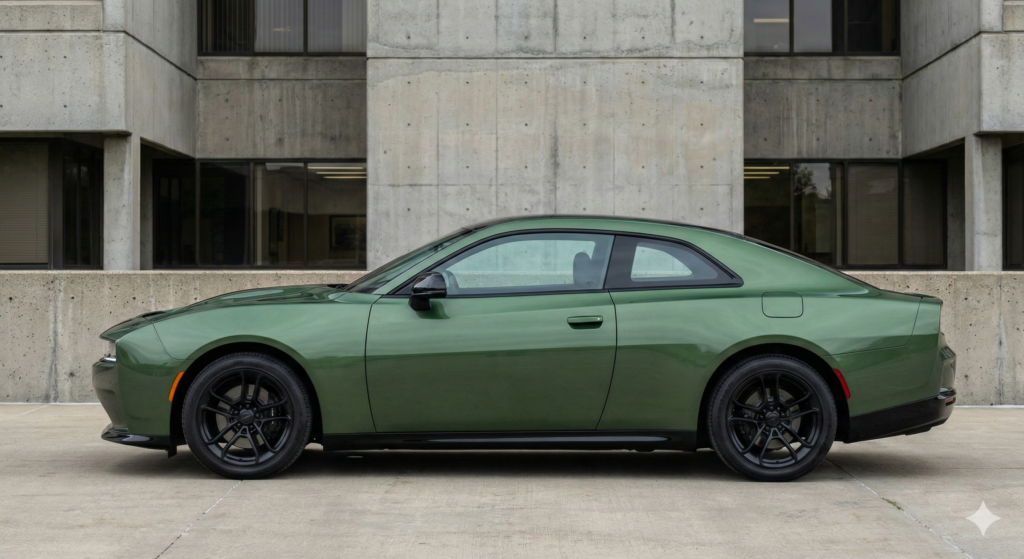
A modern twin-turbo inline-six changes how power arrives, and drivers notice the difference instantly during everyday maneuvers. Instead of waiting for revs to climb, you feel a broad band of torque available from low rpm, and that makes overtakes safer and more decisive. Additionally, turbocharging allows engineers to tune response and boost delivery for flexibility across conditions, and that helps maintain tractable power in varied driving scenarios. Consequently, drivers experience a relentless midrange shove that feels quicker than raw peak horsepower suggests. Moreover, this delivery style reduces the need for frequent downshifts, and it makes the car more usable in traffic and spirited road driving. Overall, the Hurricane’s torque curve contributes directly to the Charger feeling faster and more responsive.
AWD: The Great Equalizer
The addition of standard all-wheel drive solves a long-standing problem for powerful Chargers, and traction limitations no longer dictate straight-line performance. In wet or cold conditions, the system routes power where the tires can grip, and that yields consistent acceleration without frantic wheelspin. Early tests report quick 0-60 times for the H.O. model, and that consistency mirrors high-performance territory from previous supercharged variants. Still, Dodge retained a rear-wheel-drive mode, and drivers who want smoky launches can still access that behavior. Therefore, the AWD setup broadens the Charger’s usable envelope while preserving vintage characteristics for those who prefer them. As a result, the car blends modern capability with classic engagement.
A Lighter, Sharper Weapon
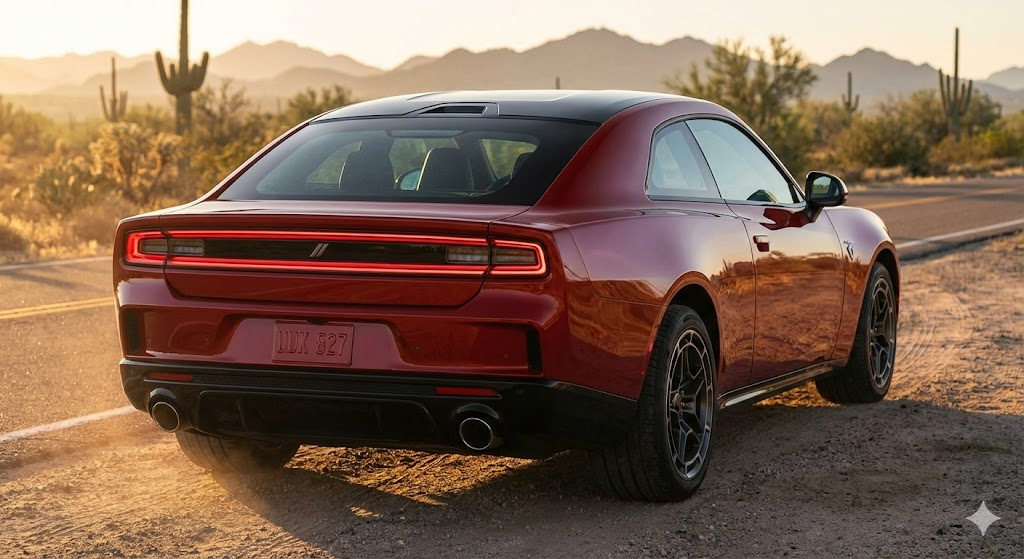
Weight reduction over the front axle reshapes handling dynamics, and switching to an all-aluminum inline-six delivers that benefit without inventing new compromises. By shedding mass, engineers improved turn-in responsiveness and reduced understeer, and the Charger now carries momentum through corners more willingly. At the same time, a more compact engine package opened opportunities for better suspension geometry, and that helped sharpen the car’s behavior on a road course. Consequently, the Charger no longer reads solely as a drag-focused machine; it now competes as a balanced performance car that rewards skilled input. In addition, those handling gains make the car more adaptable for drivers who split time between daily commutes and spirited drives.
Confession: My V8 Heart Still Aches
I recognize the technical victory, and yet my emotional bond with the Hemi endures despite the facts. The V8’s character — that lazy idle rumble and explosive top-end scream — created a visceral connection that numbers alone cannot replace. Even after acknowledging the Hurricane’s superiority in usable power and overall dynamics, I still long for the raw acoustic drama of a big American V8. Moreover, some driving experiences prioritize sound and feel over lap times, and for those moments the Hemi provided a unique thrill. Therefore, while I accept the Charger Six-Pack’s achievements, I admit a sentimental bias toward the old engine remains. Ultimately, that tension captures why debates about engine swaps spark such strong emotions among enthusiasts.
The Final Verdict: Head vs. Heart
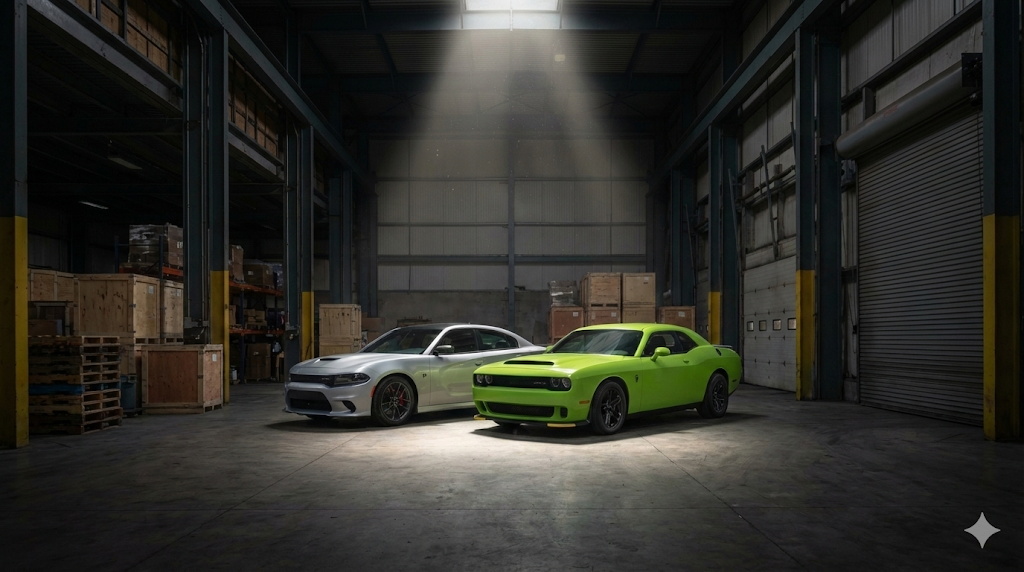
Objectively, the 2025 Charger Six-Pack earned TopGear’s Car of the Year through measurable improvements in power, traction, and balance. Engineers traded displacement for efficiency and usability, and that gamble delivered a more capable everyday performance car. At the same time, the cultural attachment to the Hemi V8 makes the change feel like a loss for many fans. Still, the new platform broadens the Charger’s appeal by offering superior all-weather performance and sharper handling without sacrificing excitement. For buyers prioritizing speed, technology, and daily usability, the Six-Pack is the better choice. Conversely, purists seeking the classic V8 soundtrack may remain wistful. In the end, the award acknowledges engineering excellence while leaving room for sentimental preference.