











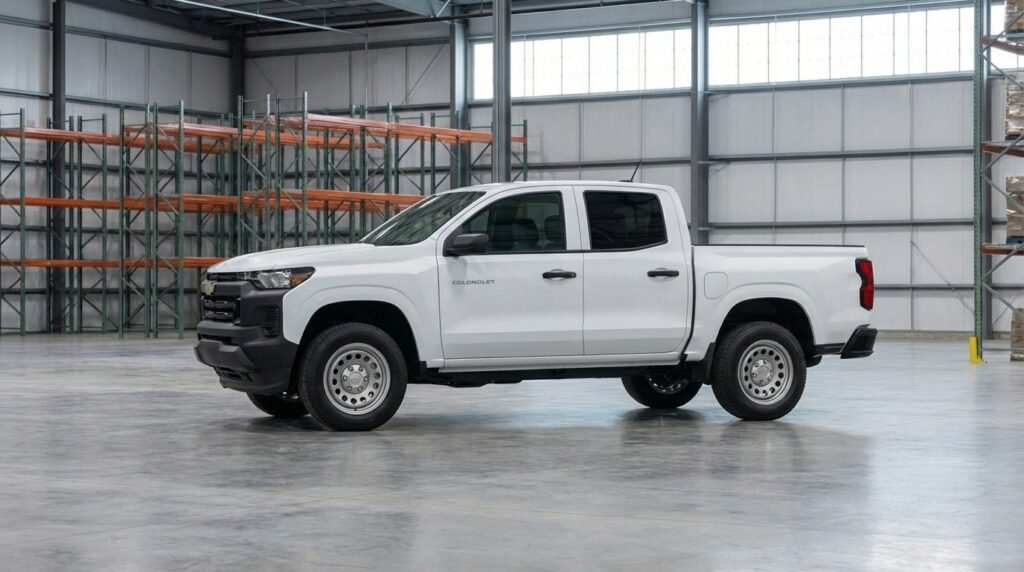
Over the last few years, that entry number on the window sticker has shifted dramatically, and this change goes beyond routine inflation. For many buyers, especially those watching every dollar, the difference feels like a strategic pivot by the manufacturer rather than simple market pressure. Consequently, budget-conscious buyers find themselves squeezed out of new-vehicle options they once considered practical. To be precise, depending on which base configurations you compare, the Colorado’s entry price has risen roughly in the mid-to-high forties into the low fifties percentile range since 2020. That range matters because it shows the story isn’t just about materials costs. Instead, Chevrolet appears to have rethought what the base truck should include and who it should target. So, the practical question remains: are you getting 50% more truck, or just facing a 50% larger bill for the same basic tasks?
Chevy Colorado price: The numbers don’t lie
You cannot dodge the math, and the figures illustrate the shift plainly. For example, some sources note a 2020 entry price for the most basic Colorado Work Truck configuration near the low $21,000s, while other references show a slightly higher starting point depending on cab and drivetrain. Meanwhile, recent model-year entry prices for the 2024 Colorado WT fall into the low $30,000s according to mainstream outlets, and a prominent industry tracker used a different pair of figures to calculate a roughly 53 percent jump. Therefore, the precise percentage depends on which 2020 and 2024 configurations you line up for comparison. Nonetheless, the takeaway remains the same: new Colorado entry pricing climbed sharply in a few model years. In addition, that climb is significant enough to reshape who can realistically consider a new Colorado as a budget work truck option.
The 2020 baseline and today’s sticker shock
Rewind to 2020 and the market looked noticeably different. Back then, the Colorado’s lowest-cost Work Truck in its most basic cab and drivetrain configuration was listed in the low $21,000 range by several pricing trackers, and its base engine was a 2.5-liter four-cylinder that made about 200 horsepower and 191 lb-ft of torque. That simple setup served fleets and buyers who prioritized utility and affordability. Fast forward to the present, and the standard entry point shifted toward crew-cab layouts with modern powertrains and larger touchscreens. As a result, sticker prices for new base-model Colorados climbed into the low $30,000s at mainstream outlets, and some comparisons between specific 2020 and 2024 figures yield increases approaching or exceeding 50 percent. Ultimately, the crew-cab-only approach and equipment changes turned the old “no-frills” pickup into a pricier, tech-forward product.





Why prices jumped: a mix of strategy and upgrades
Chevrolet’s price move reflects several deliberate choices combined with real cost pressures. First, the company eliminated many of the cheapest cab and bed combinations, making crew-cab configurations the baseline. That decision alone forces buyers into pricier hardware. Second, the entire engine lineup changed; manufacturers standardized on a modern 2.7-liter turbocharged four-cylinder for much of the range, which delivers more power than the old base 2.5-liter but also costs more to produce. Third, technology and safety features that were once optional now come standard—large infotainment screens and driver-assist systems are bundled into the base price. Finally, macro factors such as higher material, labor, and logistics costs have pushed automakers to raise prices across the board. Together, these elements explain why the sticker rose so steeply, and they clarify that the jump stems from both unavoidable costs and strategic repositioning.
Is the new Colorado worth that higher price?
That depends on what you need from a truck. On one hand, the current Colorado is objectively more capable in many respects: stronger standard horsepower and torque figures, a modern platform, upgraded interior tech, and more extensive safety equipment. For buyers who want comfort, connectivity, and higher on-road capability, the feature set may justify the extra cost. On the other hand, the removal of a true bare-bones entry model closes off new-vehicle options to traditional work-truck buyers and small businesses that value low acquisition cost over creature comforts. As a result, many practical buyers will likely turn to the used market or alternative brands that still offer simpler trims. In fact, that shift seems to be Chevrolet’s calculated gamble: prioritize higher-margin, lifestyle-oriented buyers over volume-based, no-frills customers.
Competition and market context
This trend is not unique to Chevrolet. Across the mid-size truck segment, rivals like Ford and Toyota have also increased standard equipment and raised pricing on base models. For instance, recent model years of the Ford Ranger and Toyota Tacoma show similar moves toward more powerful engines and richer standard tech, which drives up entry prices across the category. Consequently, the era of a widely available new mid-size pickup with a sub-$25,000 sticker from a major brand appears to be fading. In contrast, manufacturers now compete more on feature sets and capability than on bare-bones pricing, which changes how buyers shop and what they expect from a base trim.
The bottom line
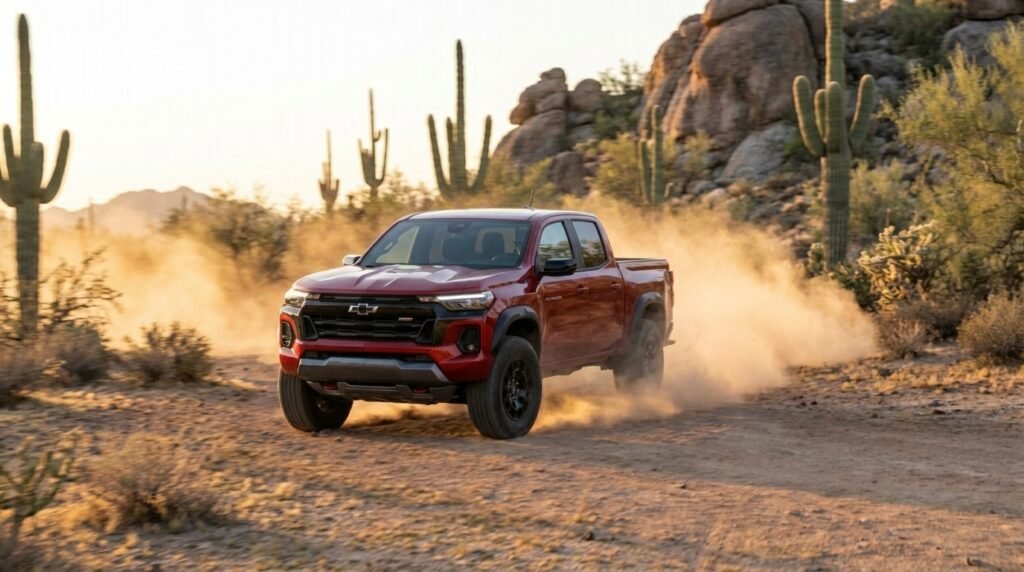
Here’s the clear conclusion. The Chevy Colorado’s steep entry-price rise is a layered story: real improvements in power, safety, and tech exist, and yet Chevrolet also made strategic moves—such as eliminating lower-cost configurations—that amplified the sticker shock. Depending on which exact 2020 and 2024 configurations you compare, the increase falls roughly between the mid-40s and low-50s percentage range, which explains the frequent headlines about a 50% jump. Therefore, if you prioritize modern features and higher capability, the new Colorado offers a lot for the money. If you need a straightforward, low-cost work truck, however, that market is now largely served by used vehicles or niche offerings rather than a new mid-size Chevy.
Sources:
- GM Authority: Chevy Colorado Base Price Increased 53 Percent Since 2020
- Cars.com: 2020 Chevrolet Colorado Specs & Prices
- Car and Driver: 2024 Chevrolet Colorado Review, Pricing, and Specs