








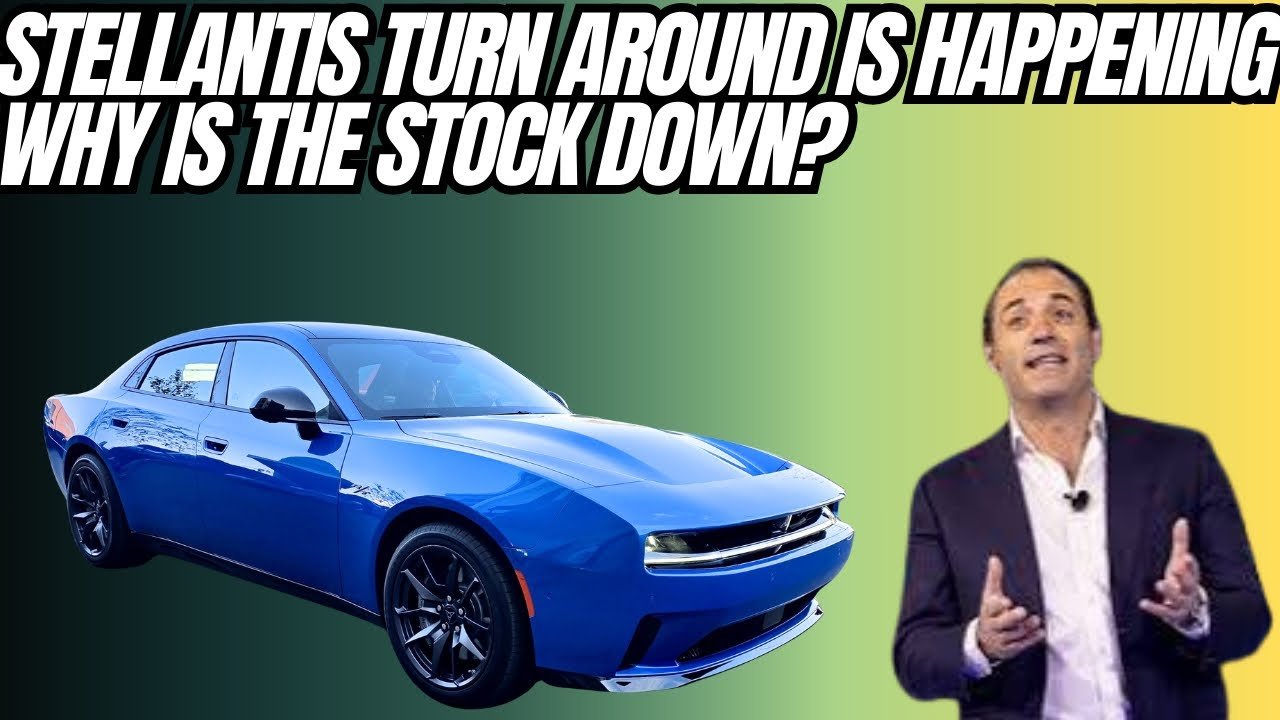
Stellantis shares recently dipped following a reported earnings miss. Consequently, this news impacts investor confidence. However, the Stellantis turnaround strategy requires a closer look beyond immediate headlines. As of Friday, the numbers looked miserable. Unfortunately, another obstacle appears every time the company gets ahead. Therefore, we must ask why they missed earnings. Primarily, current leadership is cleaning up a significant mess. Former CEO Carlos Tavares left behind a disaster. As a result, Antonio Filosa will be cleaning that up for quite a minute.
Despite these challenges, a roadmap for recovery exists. The Stellantis turnaround strategy is currently underway under new management. For example, the stock has gained 1% since January. On the surface, a 1% gain seems horrible. In fact, it sounds weak. However, you must consider the context of the previous fiscal year. Halfway through the year, the company lost over two billion dollars. Thus, recovering from that massive loss is actually good news. Currently, shares are down slightly. Yet, squeezing out a gain since the start of the year shows resilience.
Antonio Filosa has charted a specific course to turn things around. Early Thursday, the stock dropped over 5%. Consequently, several Wall Street analysts maintained their bearish outlook. However, I believe those analysts are missing the bigger picture. The Stellantis turnaround strategy is fundamentally different now. Inside sources told Reuters that Filosa is taking a different approach. Unlike Carlos Tavares, Filosa emphasizes sales growth rather than just profit margins.




Shifting Focus from Margins to Sales Growth
Investors and shareholders generally love to see cash flow. From a business perspective, this makes perfect sense. Furthermore, anyone investing in a business wants to see moving revenue. For instance, investors on Shark Tank always ask about sales figures. They love to hear about cash flow. Indeed, it is arguably one of the most important metrics. Amazon serves as a prime example of this concept. You can lose billions for years, turn it around, and then take over. That is literally how business works.
The board appointed Antonio Filosa as CEO in May. Since then, he has stepped up fleet deliveries. We discussed this shift just two weeks ago. In addition, he is pushing budget-friendly vehicles to regain ground in North America. This is a crucial part of the Stellantis turnaround strategy. Notably, those budget-friendly vehicles will likely include some exciting options. Remember the rumors about a halo car or mini-Viper? Soon, affordable muscle will arrive at Dodge dealerships.
Stellantis announced Tavares’ exit in December. Effectively, they forced him out due to declining sales. Now, the question remains whether Stellantis can make a comeback in 2026. Often, many speculators are wrong. For example, these people said nothing would happen back in 2008. Then, the market crashed. However, UBS analyst Patrick Hummel recently predicted a Stellantis comeback in 2026. Significantly, this recovery relies on gas-powered vehicles.
The Role of Gas-Powered Vehicles in the Recovery
Interestingly, analysts now point to gas-powered vehicles as the savior. Yet, previous leadership tried to retire these same vehicles. They claimed the cars wouldn’t sell. Now, those engines are central to the Stellantis turnaround strategy. Technically, the Netherlands-based company is the world’s fourth-largest automaker. They own brands such as Jeep, Chrysler, and Dodge. In reality, these brands generate the money. Furthermore, calling them a Netherlands company is practically misleading. It is similar to calling Apple an Irish company for tax purposes.
Filosa’s strategy appears to be paying off. Consequently, Stellantis is seeing rising sales across the US and Europe. Specifically, Ram trucks with V8 engines are moving. We predicted people would buy V8s like hotcakes. Dealers wouldn’t be able to keep them on the lot. This proves the demand for the Hemi engine never left. Carlos Tavares claimed we didn’t need that engine anymore. However, he was clearly wrong. Therefore, returning to what customers want is driving sales improvement.
However, challenges remain. Stellantis recently expanded its US investment to a record 13 billion dollars. Meanwhile, multiple vehicle recalls pose a reputational risk. More accurately, these recalls are a cash drain. When you get traction, a recall hits you right in the face. Sadly, it rocks the company back for a second. This has been happening consistently. Nevertheless, this is not the fault of current management. Instead, this is leftover debris from the Tavares era.
Inside the Certification Process for New Muscle
Many enthusiasts want Hellcats back immediately. However, I give credit to Tim Kuniskis, Matt McAlear, and Antonio Filosa. Currently, I get information from sources inside the company. This provides a look that others do not get. Seeing things from behind the scenes is huge. It gives a keen insight into the decision-making process. I hear from the people actually running the company. Therefore, this access explains why you cannot have Hellcats right away.
I am not a car builder, but I have better insight now. Matt McAlear, the Dodge CEO, would love a 426 Hemi in a Charger tomorrow. However, the process is not that simple. Manufacturers must go through certifications. The engine must pass strict processes with NHTSA. You must navigate all this red tape to get it to market. Are they doing that? Yes. But it takes time. Consequently, this reality impacts the Stellantis turnaround strategy timeline.
This certification delay explains the Ram strategy. Ram re-released the V8 featuring eTorque. Tim Kuniskis likely did not want to lead with eTorque immediately. Probably, they wanted the regular Hemi. However, they couldn’t release it without taking time for certification. Previously, regulators had already certified the eTorque system. Therefore, they could pop it in and bring it to market quickly. To be honest, they have been selling well. Furthermore, they haven’t had many issues. Even for a non-fan, it has been pretty solid.
This transition period is critical. Currently, I am heavily invested in the company. I bought in when I saw the necessary changes. Some might say this opinion is biased. Of course, I want the company to win. My money is tied up in it. However, this channel will not influence the global stock price. I invested because I believe in the brands. The Stellantis turnaround strategy is real, but it requires patience.