





Stellantis currently faces a massive turning point in its corporate history. CEO Antonio Filosa is reportedly making difficult decisions right now regarding the future of the conglomerate’s portfolio. Currently, the company holds 14 distinct brands. However, reports indicate that many of these nameplates do not generate significant profit. In fact, insiders suggest that the company must trim the fat to survive. Consequently, news suggests Stellantis could shut down or sell multiple brands.
The situation at the board level is intense. Specifically, sources say that up to three brands are on the chopping block before the first quarter of 2026. Therefore, the landscape of the company will look very different in just over a year. The American side of the business is carrying the weight. Meanwhile, the European side is struggling to justify its existence. As a result, huge changes are coming.
Ram and Jeep Pay the Bills
It is important to understand where the money actually comes from within Stellantis. According to the data, Ram and Jeep are the primary breadwinners. These two American brands essentially issue the paychecks for the entire global operation. For example, the success of American trucks and SUVs pays employees in Europe. However, European brands like Peugeot make up a very small percentage of total sales. In fact, some reports put Peugeot at around 5% of the company’s volume.
Related Post




This creates a lopsided business model. You have profitable American brands supporting underperforming European entities. As a result, the board of directors will no longer ignore the financial drain. Consequently, they are looking at brands that do not move metal. This is simply a business reality. Therefore, the board is setting aside emotional attachments to heritage brands for solvency.
DS Automobiles to be Shelved
Executives are discussing the removal of DS Automobiles first. This brand has been severely underperforming for some time. However, the plan is not necessarily to kill it permanently. Instead, Stellantis plans to “shelve” the brand. This means operations would cease for a period, likely between 12 to 18 months. Afterward, the company might bring it back with a completely new identity.
The goal would be to reposition DS as a high-end luxury competitor. For instance, they could aim for the Bentley or Rolls-Royce market. However, this would require a massive shift in their business model. Currently, the brand is not viable in its current state. Therefore, a temporary shutdown allows the company to stop the bleeding immediately. This strategy mirrors how Chrysler has handled other intellectual properties in the past.
The Plymouth Strategy
We can look at the history of Plymouth to understand this move. FCA, and now Stellantis, still owns the Plymouth brand and its intellectual property. They shelved the brand years ago. However, they are preparing to use those names again soon. In fact, we expect to see Plymouth nameplates on new vehicles next year. Specifically, rumors suggest names like the Cuda and the Duster will appear on future SRT products.
This proves that shelving a brand does not mean losing the rights to it. Consequently, Stellantis can put DS in storage until they have a better plan. They retain the trademark and the history. Meanwhile, they stop spending money on production runs that nobody buys. This is likely the fate awaiting DS in the immediate future.
Lancia Facing a Shutdown
The second brand facing an immediate shutdown is Lancia. Like DS, analysts consider Lancia insignificant regarding global sales volume. The brand has a rich history, particularly in rally racing. However, history does not pay the electric bill. As a result, Lancia is simply not a category mover for the modern corporation. It does not generate enough revenue to justify its overhead.
Reports indicate that Stellantis will likely shelve Lancia by the end of the first quarter of 2026. This timeline matches the strategy for DS. Therefore, we could see two European heritage brands vanish from the market within the next 15 months. The company cannot afford to hang its future on niche brands. Consequently, Lancia must go into storage. Perhaps down the road, if Antonio Filosa turns the ship around, they could return. But for now, they are a liability.
Opel Likely to Be Sold to China
The third brand in the conversation is Opel. However, the strategy here is different. Sources at the board of directors suggest that Stellantis will not shelve Opel. Instead, they will sell it. Opel has a history of corporate owners passing it around. For example, General Motors owned it for decades. Later, it moved to the PSA Group. Now, it resides under Stellantis.
Unfortunately, the brand feels “worn out” after passing through so many hands. Furthermore, classic American automakers are not interested in buying it back. Ford and General Motors will not step up to purchase Opel again. Therefore, the most likely buyer is China. Chinese automotive groups are aggressively acquiring European assets. For instance, we saw this happen with MG.
Selling Opel would provide immediate cash for Stellantis. As a result, they could use those funds to pay down debt. Additionally, they could buy back stock to stabilize their market position. This is a strategic financial move. While European fans might be unhappy about a Chinese buyout, it is the most logical business outcome. The brand simply does not offer enough unique value to keep in-house.
Struggles at Maserati and Alfa Romeo
The problems do not end with the three brands mentioned above. Maserati is also in a difficult spot. Currently, the brand is a shell of its former self. However, shutting it down is complicated. The Italian government protects Maserati heavily. Therefore, Stellantis cannot easily close those doors without political fallout.
Similarly, Alfa Romeo has squandered its opportunities. The launch of the Giulia was a high point. It was a legitimate competitor to the BMW M3. In fact, it was a monster on the track and built real brand equity. However, the company failed to capitalize on that momentum. Management turnover has been a major issue. For example, Alfa Romeo has gone through multiple CEOs in just the last three years. This instability has stalled the brand’s growth.
Business Reality vs. Fan Loyalty
Ultimately, these decisions come down to business survival. Holding onto 14 brands is a bad move when 9 or 10 of them are non-performers. You can think of it like a relationship. Ram and Jeep are the partners that take care of you and pay the bills. The failing brands are side distractions that drain your bank account. Consequently, you end up neglecting the main partners that actually matter.
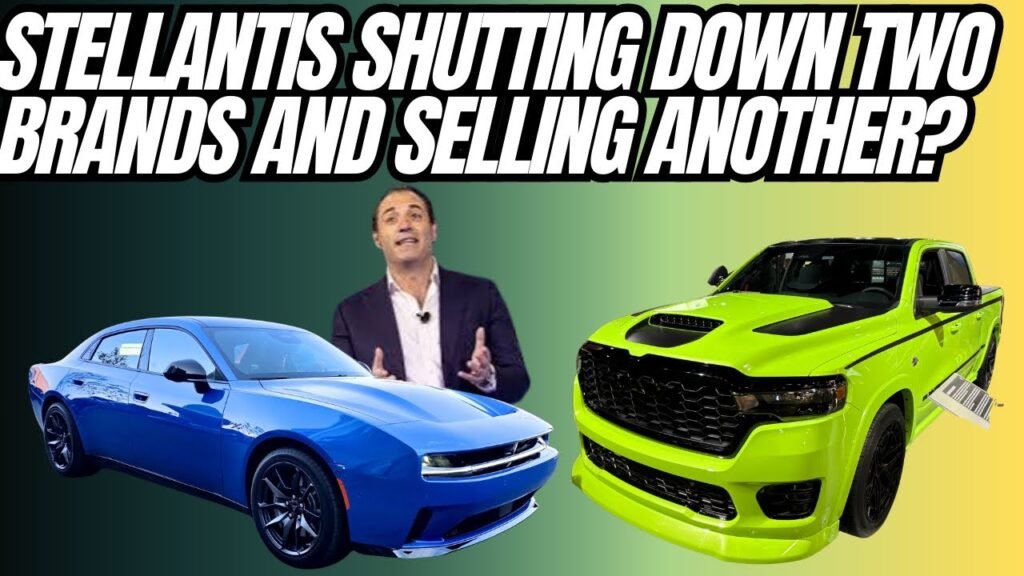
Stellantis needs to focus on its winners. For example, a Dodge Charger with a Hellcat engine commands massive markups. People in Europe and the Middle East will pay thousands over sticker price for American muscle. In contrast, almost no one is paying a markup for a Peugeot or a Citroën. The demand simply isn’t there. Therefore, shedding the dead weight of DS, Lancia, and Opel is necessary for the company to thrive.