






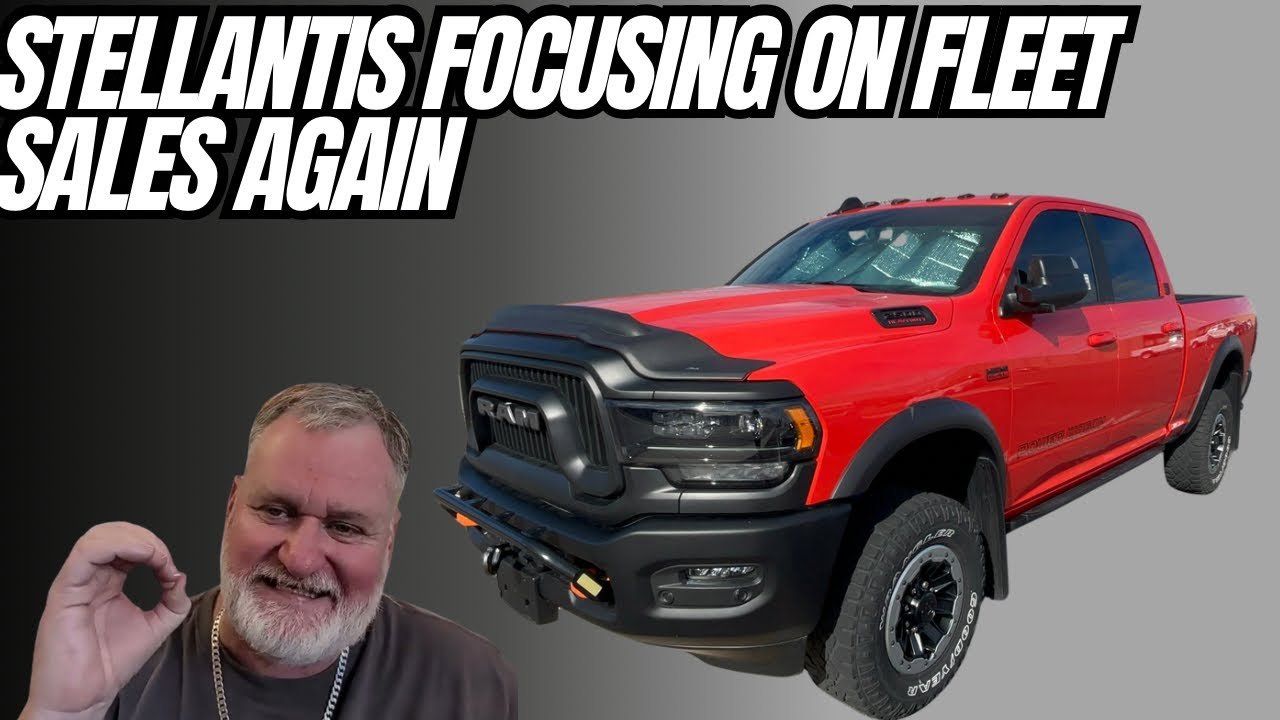
Stellantis is officially shifting its focus back to the North American fleet market. Executives discussed this strategic pivot as recently as Roadkill Nights. A return to fleet sales might sound boring to the average Mopar enthusiast. However, the implications for the brand are massive. Specifically, this move aims to recapture lost market share and generate significant capital. Consequently, this strategy is not just about selling work trucks. It is about securing the financial future of the company.
For investors, this news makes a substantial difference. Moving a high volume of units for business purposes creates essential positive cash flow. Furthermore, this financial stability allows the automaker to distribute other niche units. Therefore, understanding the mechanics of these fleet deals is crucial. It helps predict the company’s next moves. Ultimately, cash flow is king, and fleet sales are a reliable way to secure it.
Related Post




The Myth of the Basic Work Truck
A persistent narrative exists in the automotive community that consumers want basic vehicles. Demands for barebones trucks with roll-up windows often fill comment sections. However, the sales reports tell a completely different story. In reality, those basic configurations simply do not sell to retail customers. Instead, modern buyers have become accustomed to a luxury experience. They expect this even when purchasing a pickup truck.
When consumers step into a modern Ram, they often expect it to feel like a Lexus. Specifically, Ram has taken the truck interior to a level that rivals premium German automakers. For instance, a standard black Ram Laramie now includes features once exclusive to high-end sedans. Drivers enjoy leather seats, massive 12-inch touchscreens, and giant sunroofs. Additionally, buyers now expect amenities like heated seats and heated steering wheels. Essentially, a modern stock truck is a BMW with four-wheel drive and 22-inch wheels.
Historically, other brands tried to bridge this gap with mixed results. Lincoln, for example, attempted to dress up the F-150 in a tuxedo with the Mark LT. However, Ram has successfully integrated this luxury demand into their core lineup. Because retail buyers demand this opulence, the market for basic trucks is almost entirely commercial. Therefore, the fleet need is real, and Stellantis is finally moving to fill it.
How Fleet Sales Fund Future Performance
Many enthusiasts naturally wonder why they should care about rental cars or work vans. The answer lies in the company’s financial health. If Stellantis is in a stronger financial position, they can develop niche products faster. North American fans may not care about brands like DS or Alfa Romeo. However, the global profitability of the parent company matters. Specifically, profitable fleet sales can subsidize the development of high-performance vehicles enthusiasts actually want.
A financially healthy Stellantis is more likely to greenlight successors to the Hellcat. Currently, talk exists of future performance models utilizing the new engine platforms. For example, we hear rumors about potential SRT4 and SRT6 models powered by the Hurricane engine. These could feature high-output versions of the four-cylinder and six-cylinder Hurricane powerplants. Consequently, revenue from selling cargo vans directly supports the engineering of these street machines.
In addition, affordability remains a huge factor for consumers. If the company makes significant profit moving fleet units, it stabilizes the pricing structure for other vehicles. As a result, it becomes more feasible for them to produce the cool stuff we want. Rumors continue to swirl about the return of legendary nameplates. For instance, there is chatter about a new Cuda and even a Duster. The Duster remains unconfirmed. However, these vehicles are only possible if the company has the cash to build them.
Manufacturing and Labor Implications
Beyond the product lineup, this strategy has a major impact on the workforce. Capturing back fleet sales means increasing production volume. These are the vehicles going to rental agencies like Enterprise and Avis. Consequently, building these units puts people to work in the factories. This applies to major facilities. These include the Warren Truck Assembly Plant and the Sterling Heights Assembly Plant (SHAP).
Furthermore, this boost in production extends across the border to the Windsor plant in Canada. For members of the UAW and Unifor, this is significant news. If Stellantis commits to filling these fleet orders, they must staff the lines to build them. Effectively, fleet vehicles do not build themselves. Therefore, increasing this volume helps fill shifts and keeps the assembly lines moving.
Currently, some workers at plants like SHAP are already on emergency shifts. However, a sustained push for fleet dominance would ensure continued production stability. This creates a win-win scenario for both the corporate balance sheet and the manufacturing workforce. Ultimately, high-volume production is the lifeblood of these assembly plants.
The Outlook for the Next Quarter
The next 60 to 90 days will be critical for observing this strategy in action. We expect to see interesting developments as Stellantis aggressively pursues these commercial contracts. Meanwhile, the flow of inventory to dealerships and fleet partners will likely change. Consequently, this could signal a turning point for the automaker’s North American operations.
For those following the performance side of things, patience is key. The transition to the Hurricane engine era is underway. If the fleet strategy succeeds, affordable, high-horsepower SRT4 and SRT6 models become much more likely. Overall, the financial foundation laid by work trucks today will pave the road for the street trucks and muscle cars of tomorrow.