






Regulatory changes are moving fast in Washington. They are shaking up the automotive industry. Specifically, we are seeing massive shifts coming from the Department of Transportation. However, the biggest news is currently coming out of the Environmental Protection Agency. These changes concern emissions, fuel standards, and the environment. Furthermore, EPA Administrator Lee Zeldin has just dropped a bombshell announcement regarding the Endangerment Finding repeal. This is the news automotive enthusiasts have been waiting for. Consequently, manufacturers are already reacting to these impending changes.
The End of the Endangerment Finding
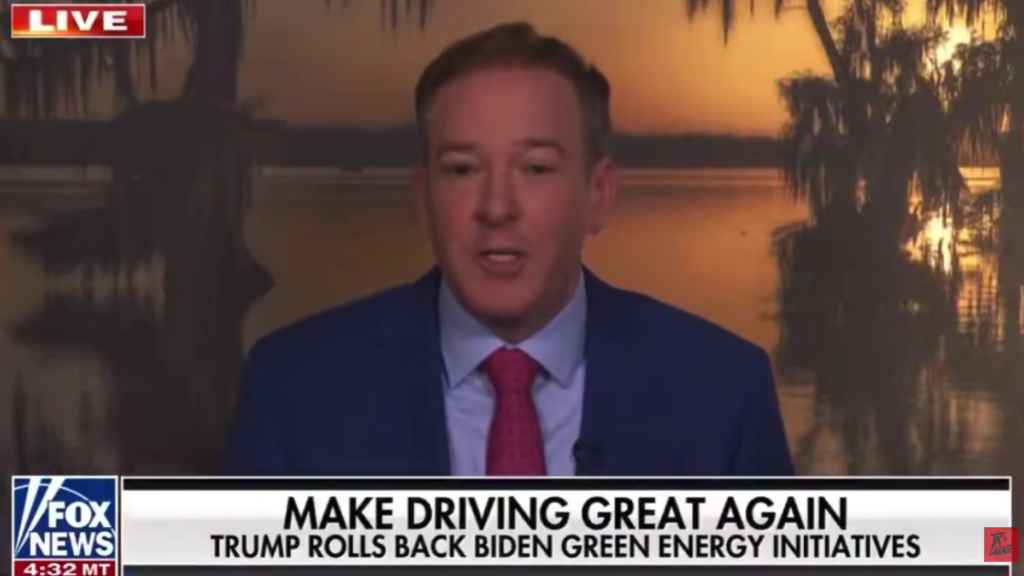
Lee Zeldin recently gave an interview that changes the trajectory of the American auto industry. In this clip, he stated that we are in the “final days” of a major regulatory rollback. Specifically, the EPA is finalizing a decision to repeal the Obama 2009 Endangerment Finding. This is a critical development. This finding serves as the legal bedrock allowing the EPA to regulate greenhouse gas emissions from vehicles. Therefore, repealing it eliminates the primary hurdle for manufacturing gas-powered engines.
Zeldin described this move as the largest deregulatory action of the year. In addition, it affects light, medium, and heavy-duty vehicles. The repeal will remove the greenhouse gas emission standards that have choked performance vehicle production. Moreover, Zeldin specifically called out the “annoying off-cycle credit” for the start-stop feature. He confirmed they are eliminating that as well. As a result, mandates will no longer force Americans to endure features they do not want. This is a victory for common sense and consumer choice.
Related Post



Impact on CAFE Standards and Carbon Credits
Once the Endangerment Finding repeal becomes official, the ripple effects will be instant. For instance, the CAFE (Corporate Average Fuel Economy) standards effectively become dead. Manufacturers will no longer worry about strict greenhouse gas limits. Furthermore, the carbon credit system will likely vanish. This is huge for profitability. In the past, companies had to pay for carbon credits if they didn’t meet EV quotas. Now, those costs are gone.
Previously, executives like Carlos Tavares argued that companies needed full EV lineups to avoid paying these credits. However, that logic no longer holds up. If the requirement to buy credits disappears, profits will naturally go through the roof. Companies can simply build the cars people want without paying penalties. Consequently, investors are already noticing. Stellantis stock recently saw a 5% bump. Investors know the real money comes from Chrysler, Dodge, Jeep, and Ram. They do not care about European brands like Maserati. Therefore, the focus is shifting back to American muscle.
Stellantis and the Return of Horsepower
Automakers like Stellantis, Ford, and General Motors are vetting everything right now. They realize they have a significant window of opportunity. This window could last anywhere from four to twelve years. As a result, they are pivoting strategies to maximize revenue. For example, General Motors is developing new V8 engines. Similarly, Ford is looking at reworking diesel engines and tunes to reduce NOx without sacrificing capability.
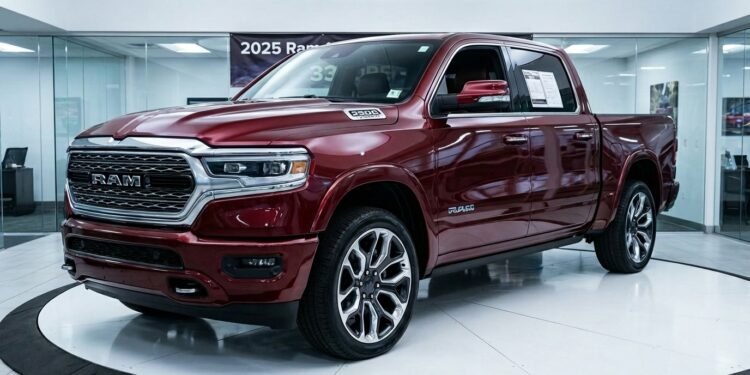
Stellantis is arguably making the most aggressive moves. CEO Antonio Filosa understands where the profit lies. Consequently, they are investing heavily in products that Americans actually want to buy. We are about to see a resurgence of high-performance vehicles. For instance, Ram is preparing to launch 650-horsepower street trucks. Additionally, new SRT trucks are coming later this year and early next year. This marks a major turnaround from the previous “EV only” narrative.
New SRT Projects and the “Mini Viper”
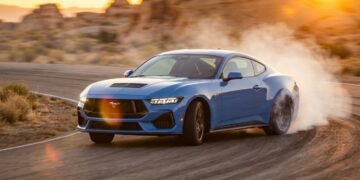
The product pipeline for Dodge and Ram is looking incredibly bright. Beyond the trucks, there is news about the Jeep brand as well. Specifically, SRT Jeeps are making a comeback. However, the most exciting rumor involves a completely new vehicle. There is talk of a “small mini Viper looking halo car.” Dodge targets the $30,000 price point for this vehicle. Because it will be small and lightweight, it will have insane power ratios.
This new halo car will likely be an SRT model. Furthermore, it could easily house the powerful Hurricane engine. Putting a high-output Hurricane engine in a lightweight chassis would create a monster on the street. This proves that Dodge is getting back to its roots. They are building exciting, fast, and affordable cars again. The Endangerment Finding repeal makes all of this possible. Without those emissions constraints, engineers can finally let loose.
The Political and Economic Landscape
The current political climate also drives this shift. The incoming Trump administration is focused on deregulation. Additionally, tariff revenue might fund checks for Americans, raising consumer confidence. Automakers are looking at the political map and seeing stability for gas-powered vehicles. If Republicans hold leadership for the next eight years, these standards will remain relaxed. Therefore, manufacturers are rushing to get these products to market.
There is also a clear rejection of forced EV adoption. Lee Zeldin emphasized that if you want an electric vehicle, you should buy one. However, your decision shouldn’t force your neighbor to make the same choice. This approach promotes individual freedom. Moreover, the Department of Transportation has heard from Americans across the country. The consensus is clear: they do not want mandates. They want the ability to choose between gas, hybrid, or electric power.
Focusing on the American Market
Critics often argue that China will get ahead in EV technology if the US slows down. However, that argument misses the point. The United States is the largest consumer market in the world. Consequently, what happens here matters most. If automakers had to pick one country to exist in, it would be the United States. Therefore, domestic manufacturers like Stellantis, GM, and Ford should focus on satisfying American buyers.
We are not going to sell gasoline vehicles in China. Furthermore, we do not need their BYD electric cars here. Instead, companies must focus on building what works for this region. This includes selling gas vehicles in South America, Mexico, and Canada. The North American market is distinct. Trying to force an EV transition down everyone’s throat simply does not work here. Americans want what they want. Fortunately, the regulations are finally aligning with consumer demand.
Final Thoughts on the Industry Shift
To be clear, this is not about hating electric vehicles. In fact, electric vehicles can be great machines. I have owned Teslas and several BMW EVs. However, adoption must happen naturally, not through government force. The repeal of the Endangerment Finding removes the artificial pressure. As a result, the market can decide the winners and losers.
In conclusion, the “final days” of the Endangerment Finding are here. Lee Zeldin has confirmed it. The carbon credits are disappearing. Consequently, the door is wide open for a new golden era of internal combustion performance. Ram, Dodge, and Jeep are already spooling up. We are looking at 650-horsepower trucks, new SRTs, and affordable halo cars. The future is bright for American auto manufacturers.