





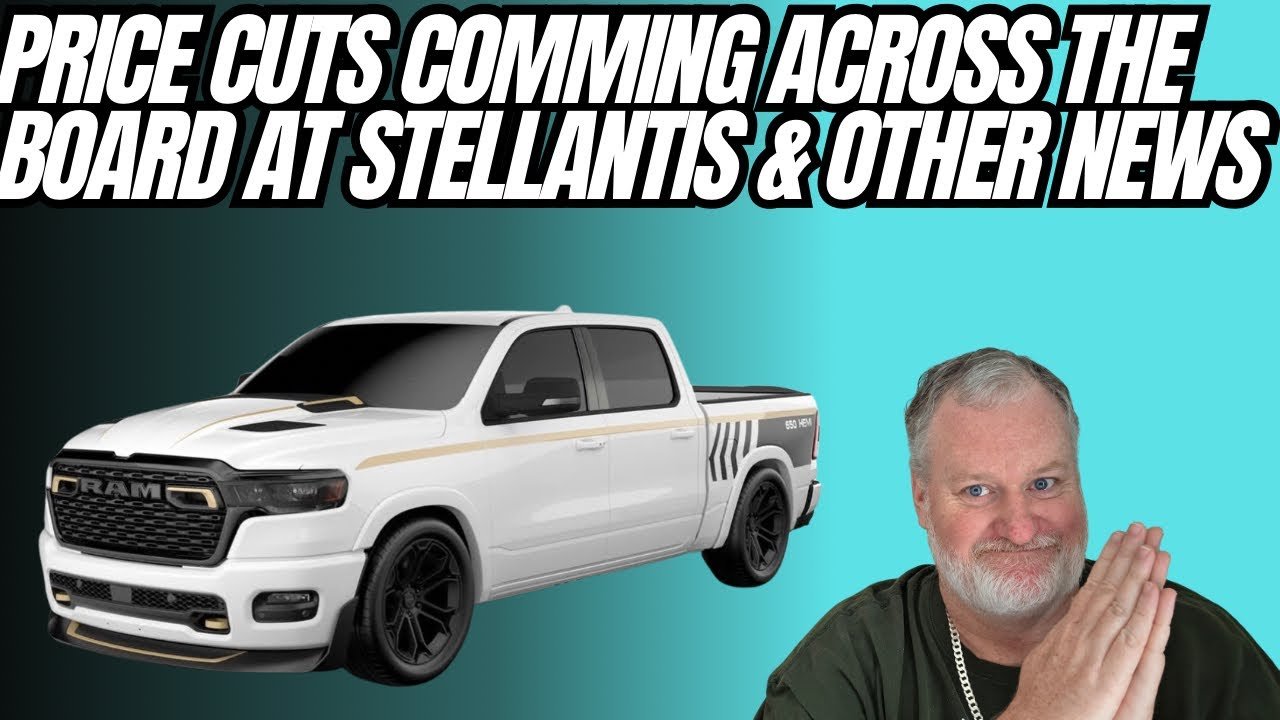
Filosa finally says the quiet part out loud: prices are coming down—and that changes everything
I’m back on the road, sun dropping, and that CNBC segment with Antonio Filosa just landed like a brick through the window—in a good way. I’m rolling the interview in my video, but here’s the meat of why it matters and what I think it means for us over the next 18–24 months.
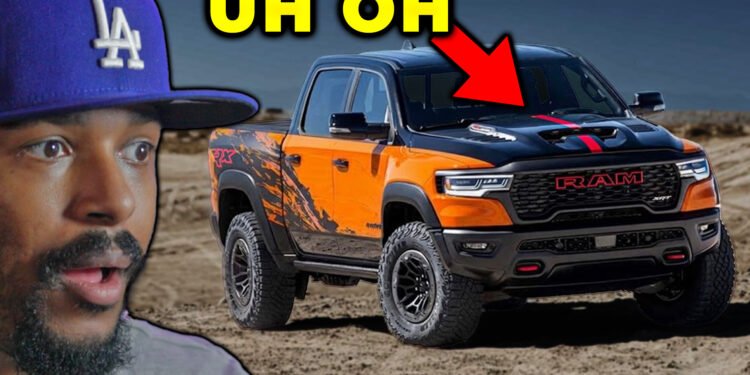
First, the headline you can actually use: “All our new products will be very competitive” on price. Translated from CEO-speak: they’re done letting MSRPs float into the stratosphere while dealers pile insult on top of injury. He even said Stellantis already pulled prices down to competitive levels on current models. If you remember why Ram always punched above its weight—better interiors, better looks, and a better price—you know exactly why this hits.




Now add the second bomb he dropped on-camera: Hemi orders surged—10,000 day one when the return was announced. That tells you two things: (1) the market is still starving for V8s, and (2) when Stellantis makes the obvious product at the obvious price, buyers show up in bulk.
What I heard in the interview
- $13B US investment, 5 all-new products, 1 all-new engine, 19 product actions in four years; target is +50% US production, ~5,000 new Stellantis jobs and ~20,000 supplier jobs.
- Pricing will lead on the new stuff. Not “match,” lead.
- They’re not announcing shutdowns in Mexico/Canada today; the answer on that was… diplomatic. I’ll break that part down on Auto Intel Daily.
That’s the official line. Here’s how I see it shaking out in the real world.
Pricing is the whole ballgame
I’ve been yelling about pricing since 2020. The truck/suvs that built brand love—Rebel, TRX, Durango—hooked us because the value felt insane for what you got. Then supply-chain chaos hit, dealers went wild with add-ons and markups, and MSRPs drifted up to “because we can” levels. Buyers noticed. They walked.
Filosa’s reset is exactly what I wanted to hear. We already got one, big, on-the-ground proof point: Durango with a Hemi starting at about $42K. A V8 three-row at that number is a win. That’s cheaper than where V6s sat not long ago. That’s what “competitive” looks like in steel and rubber.
If they replicate that formula across the lineup, here’s where it goes:
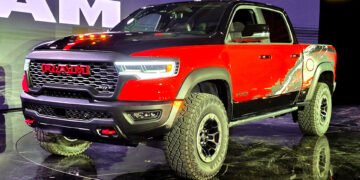
- Ram 1500: expect trims that undercut Ford and GM spec-for-spec while bringing back the “Ram interior advantage.”
- New Durango concept/launch: sticker shock in the good direction. If they keep the V8 accessible, it’ll print.
- Charger (V8): I think they carve a huge gap under the Hurricane and the EV. A clean 5.7 at the right number becomes the best-selling Stellantis passenger vehicle on impact.
And yeah, I know that Fox-built supercharged 5.7 street truck wore a scary tag. That’s a coach built situation—like a Rocky Ridge or SCA—not a direct window into what Stellantis will charge for a factory V8 that moves volume.
The Charger lineup that would win the decade
Follow me here, because this is the ladder that makes sense if Filosa and Tim want units flying off lots and posters on bedroom walls again:
- Charger 5.7 (keep it simple): start in the low 40s. This is the people’s car. Flood the zone.
- Charger 6.4 / “Scat” energy: upper 40s if they’re feeling spicy, low 50s if they need room.
- Charger 5.7 Supercharged (Direct Connection): mid-50s, built to be the gateway drug.
- Top-dog halo: Hellcat/426/“elephant” flavor—sub-$95K. Not volume, but aspiration. It drags the whole lineup forward.
Is Stellantis going to rubber-stamp my numbers? Probably not. But the structure is what matters: one truly affordable V8, a clear middle that feels like a deal, and a holy-smokes flagship that resets the culture.
Dealers, this part’s for you
I’m not sugarcoating it: a lot of the pain was self-inflicted. Markups didn’t die when the chip shortage did. Piling “appearance packages” onto everything killed trust. The company’s answer—raising MSRP to capture value you were skimming—only made retail uglier. If Filosa is serious about pricing leadership, this is the moment to get back on the customer’s side. Move cars at fair money, build service relationships, and let the factory’s volume plan be your friend again.
The plant puzzle (and the question he dodged)
He didn’t promise closures outside the US aren’t coming—he just stayed on message about US growth. I’ll do a separate breakdown on what that means for Canada/Mexico and which lines are best positioned to pick up new product. The Toledo mid-size truck confirmation matters; the rest of the footprint moves are going to set up 2026–2028.
Why I’m actually optimistic
- Hemi sold 10,000 on day one. That’s demand talking.
- Pricing leadership is on the record. If they stick to it, buyers will notice—fast.
- The folks who get it (Tim, Matt, Antonio) finally look like they have room to act. If they keep executing the obvious plays—V8s where they make sense, hybrids where they help, EVs where they’re truly compelling—the turnaround is real.
I’ll keep hammering this in every video: product is important, but price is the unlock. Give people a number that feels fair, and the brand equity takes care of the rest.
Drop me your take: what number makes you grab a V8 Charger without thinking? And if the Durango can start with a Hemi around $42K, where should the Ram trims land to win your driveway back?
As always—stay petty.