








The GM stock surge landed squarely in the headlines after shares climbed to $83.06 per share, and investors cheered a roughly 55% year-to-date gain in 2025. As a result, this jump marked a clear post-bankruptcy high for the company and forced skeptics to pay attention. For years, many treated General Motors as a legacy automaker stuck in the past, while they chased shiny EV startups. However, GM quietly rebuilt its balance sheet and strategy instead of chasing headlines. In fact, management used steady profits from traditional models to fund new platforms and experimental bets. Moreover, the market reaction shows that investors now value both present cash generation and future optionality. Consequently, this article breaks down the three pillars that powered the rally and explains why the move looks more strategic than accidental.
GM stock surge: The Numbers Don’t Lie
The price action was not a one-day anomaly; instead, it reflected sustained gains through late December 2025. For example, the $83.06 close on December 26 was confirmed across multiple market feeds, and that level sits well above prior post-bankruptcy trading ranges. Therefore, the rally signaled a re-rating from market participants who had long discounted GM’s upside. Moreover, investors began to see the company as a hybrid: an industrial automaker with growing technology lines. In addition, the roughly 55% year-to-date increase gave analysts fresh reason to revisit long-term models and profit assumptions. As a result, the stock became the best-performing U.S.-traded automaker in that period. Crucially, this shift reflects both renewed confidence in current earnings and greater faith in GM’s strategic roadmap for electrification and autonomy.
Not Your Grandpa’s GM: The Three-Pillar Strategy
The comeback rests on three core pillars that work together rather than alone. First, profitable internal-combustion vehicles continue to generate cash and strong margins for the company. Next, the Ultium EV architecture provides a scalable path to electric models across brands and segments. Finally, Cruise represents a long-term, high-upside technology bet on autonomous mobility. Many observers focused only on one pillar, but the combination matters far more than any single component. For instance, legacy profits funded EV development, while modular platforms amplified development efficiency. Meanwhile, Cruise ties the hardware and software threads together into new revenue models. Consequently, this triple approach explains why investors shifted from skepticism to measurable enthusiasm.



Pillar 1: The ICE Cash Machine (Long Live the V8)
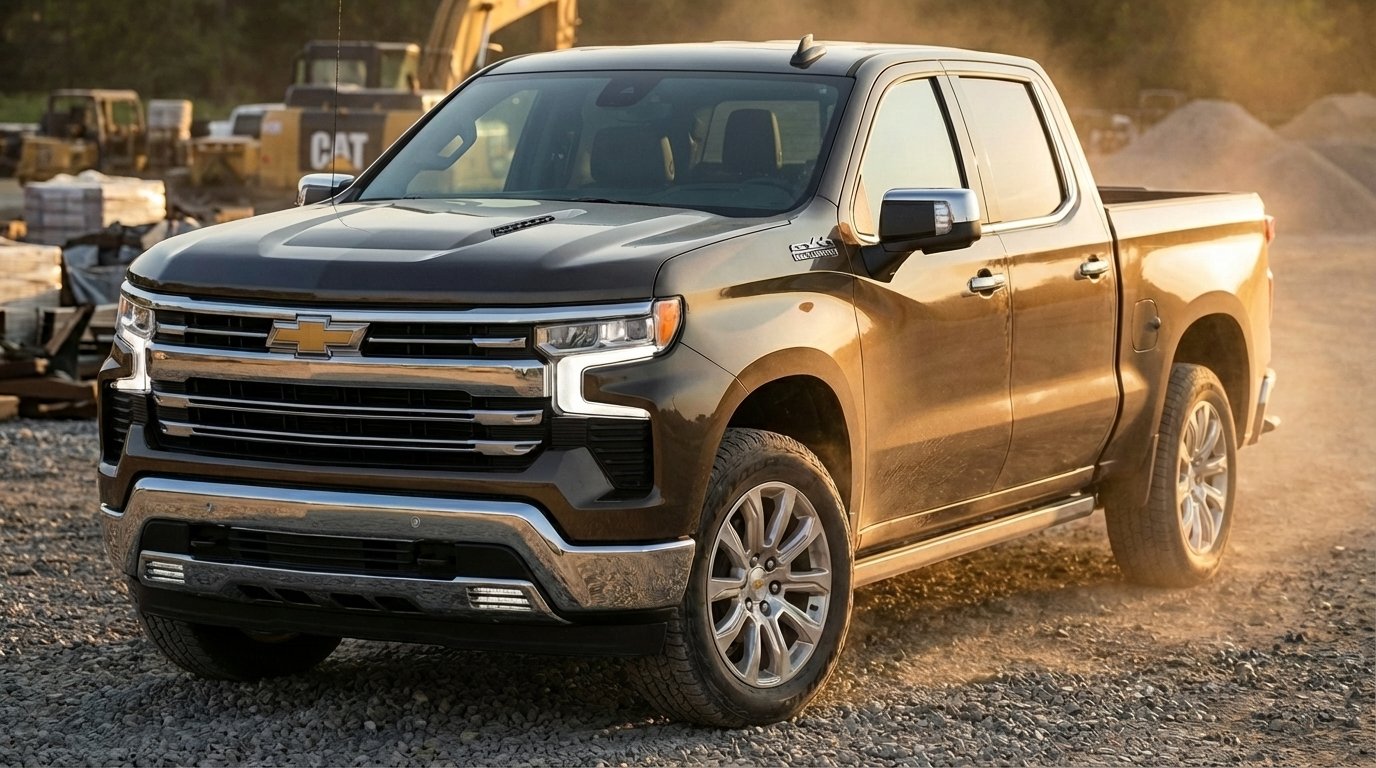
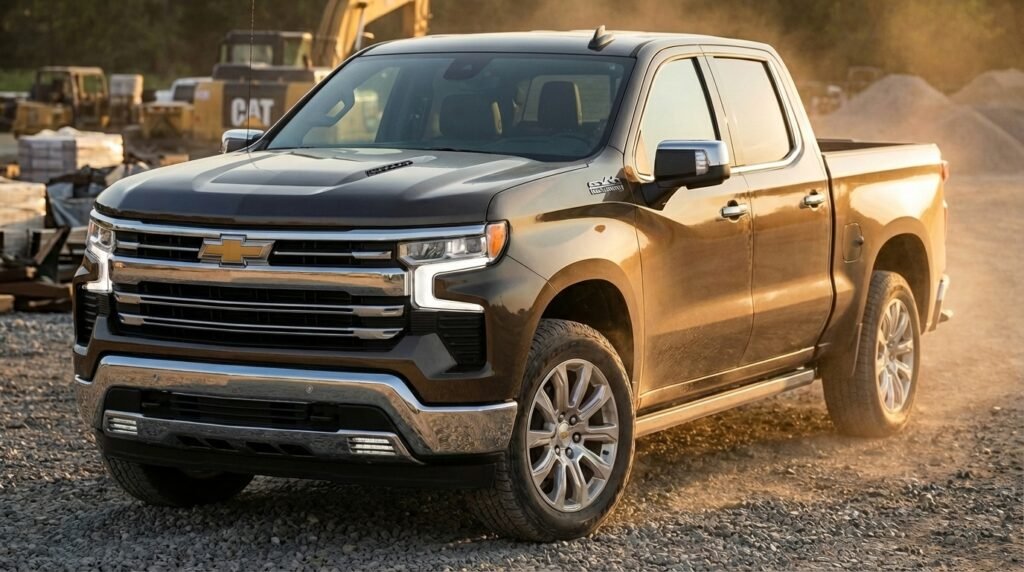
Trucks and large SUVs still fund a large share of GM’s free cash flow, and that reality underpins the company’s transformation. For example, the Chevrolet Silverado and GMC Sierra are central margin drivers, and the Tahoe, Suburban, and Yukon consistently attract premium pricing. In addition, these models benefit from strong brand loyalty and optional equipment that boosts per-vehicle profitability. Therefore, GM kept investing in product updates and manufacturing efficiency to maintain position in those segments. As a result, the cash flow from combustion-engine trucks financed expensive EV programs without forcing radical cost cuts elsewhere. Moreover, management treated this as deliberate capital allocation rather than a stopgap. Consequently, the link between today’s profits and tomorrow’s investments explains how GM avoided crippling trade-offs during the transition.
Pillar 2: The Ultium Revolution (The EV Future is Now)
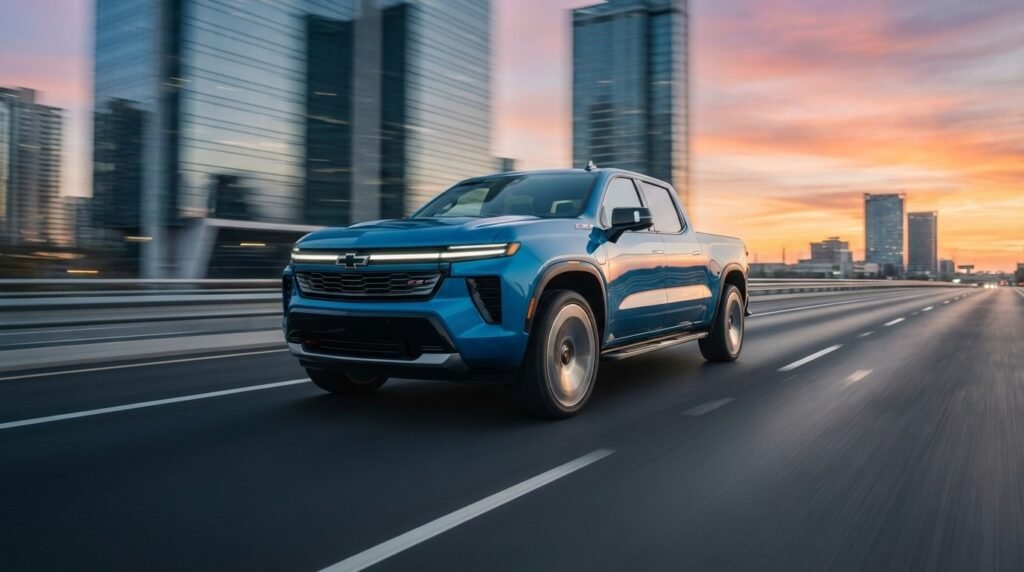
Ultium serves as GM’s modular EV architecture, and it aims to reduce development cost while supporting many different vehicles. For instance, engineers designed Ultium to allow flexible cell layouts, battery sizes, and power outputs so a single platform can underpin cross-brand offerings. Moreover, that flexibility shortens development timelines and improves economies of scale for batteries and motors. As a result, the Hummer EV and Cadillac Lyriq showcased the platform’s range from performance to luxury, and the upcoming Chevrolet Silverado EV demonstrates scale potential in high-volume segments. Therefore, investors see Ultium as a credible path to improving EV margins over time. In addition, this shared architecture increases the odds that GM will monetize its EV investments across multiple brands and buyer types.
Pillar 3: Cruise Control to the Future (The Autonomous Gamble)
Cruise represents GM’s biggest asymmetric bet, and it could reshape the company’s earnings profile if it scales profitably. For a while, Cruise consumed capital with unclear near-term returns, and critics questioned the strategy. However, the unit now operates limited robotaxi services in select markets and continues to develop software and safety systems. Consequently, investors increasingly view Cruise as a high-growth tech asset embedded inside an automaker. Moreover, the potential to sell mobility-as-a-service rather than single vehicles would create recurring revenue streams. In addition, that shift could attract a different set of investors, and it might unlock valuation multiple expansion if margins prove durable. Therefore, Cruise remains the wild card that can amplify GM’s market reset.

Wall Street Wakes Up: From Automaker to Tech Titan
The market historically treated GM as a cyclical industrial name with thin multiples, but recent events forced a re-evaluation. For example, steady truck profitability convinced value investors, while Ultium and Cruise attracted growth-oriented buyers. Consequently, analysts and portfolio managers began to compare GM not only to other automakers but also to technology peers. In addition, that change broadened the investor base and supported higher price-to-earnings assumptions. Moreover, the company’s narrative shifted from mere survival to strategic reinvention, and the stock performance reflected that shift. Therefore, the combined evidence of current cash generation and credible technology paths prompted many firms to rerate GM’s long-term prospects and adjust target prices accordingly.
The Road Ahead: Can GM Keep the Momentum?
The path forward contains real risks even as momentum builds, and execution will determine whether gains stick. First, GM must execute EV launches at scale without major quality or supply disruptions. Second, rivals are accelerating EV and software programs, so competitive intensity will remain high. Third, Cruise needs to scale its operations and demonstrate sustainable unit economics. In addition, regulatory and safety hurdles could affect timelines and costs. However, GM retains sizable cash flow from legacy models, and that cushion allows continued investment across all three pillars. Moreover, the company has deep engineering resources and manufacturing footprint to support the transition. Consequently, if leadership keeps execution consistent, the recent surge could mark the start of a longer-term rerating rather than a short-lived peak.
The Bottom Line
In short, GM’s rebound looks strategic rather than accidental, and the GM stock surge reflects that judgment. The company used reliable profits from trucks to fund a modular EV platform and an ambitious autonomous program. As a result, investors now see both near-term cash generation and long-term optionality. Moreover, this combination broadened the buyer base and changed the valuation conversation. Therefore, while risks remain, the recent gains illustrate how a legacy automaker can redeploy its strengths into a new competitive posture. Ultimately, whether this marks a fresh era for GM will depend on disciplined execution across all three pillars.
Sources:
- GM Authority – GM Stock Value Stable During Week Of December 22, 2025 – December 26, 2025
- CBT News – GM stock surges over 55% in 2025, leads U.S.-traded automakers