








Inside Ford’s Plan to Group You With Similar Drivers
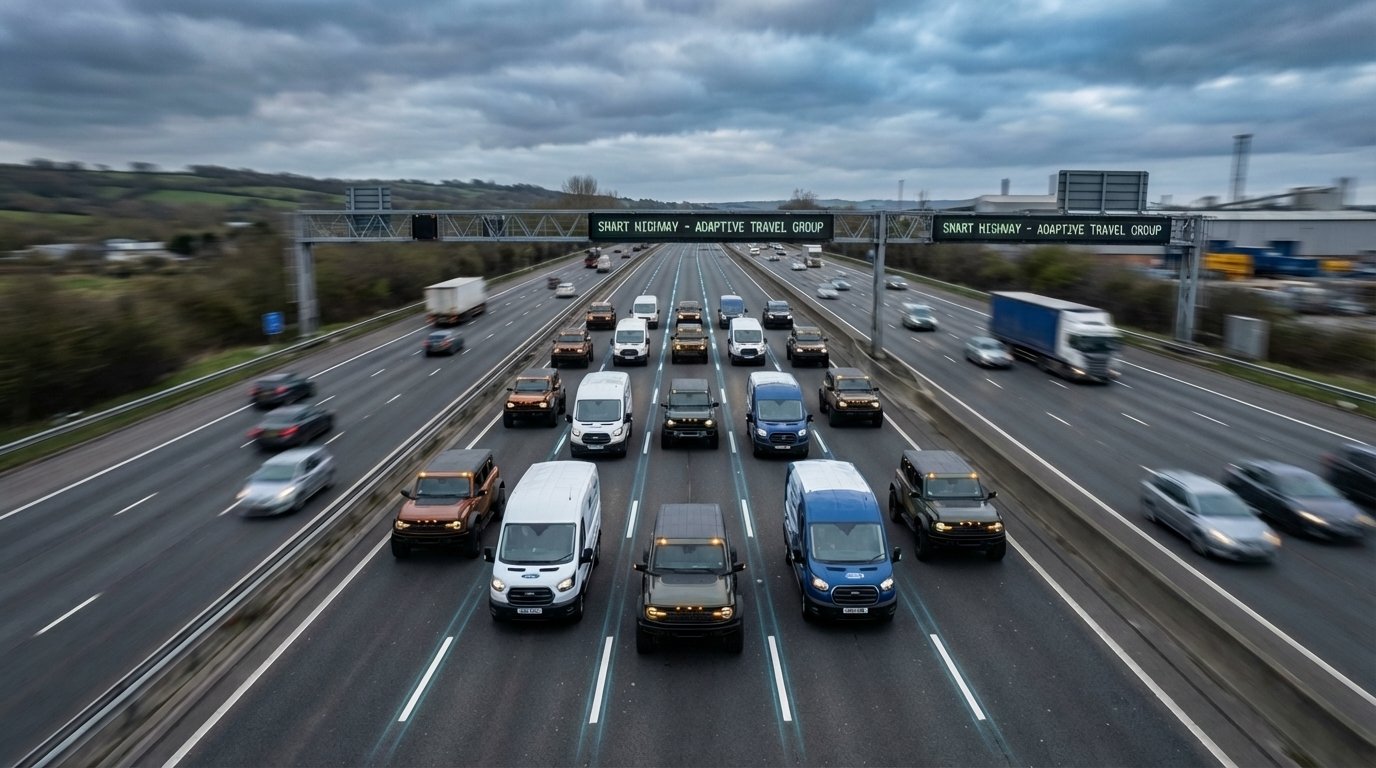
Ford’s new adaptive guidance system aims to group drivers by how they actually drive, and that phrase matters because it captures the patent’s core idea. For example, the system watches vehicle inputs and builds a behavioral profile, then seeks nearby cars with matching patterns. In short, the goal is calmer, safer convoys instead of chaotic caravan driving. The idea grew from real problems drivers face on group trips, such as mismatched following distances and sudden braking that raise stress. Therefore, this write-up summarizes what the patent covers and how the technology might work in the real world. Moreover, I’ll point out likely use cases and limits based on the patent text and credible reporting. Finally, you’ll get a clear sense of whether this is hype or something practical coming to roads.
What the Ford Patent Actually Describes
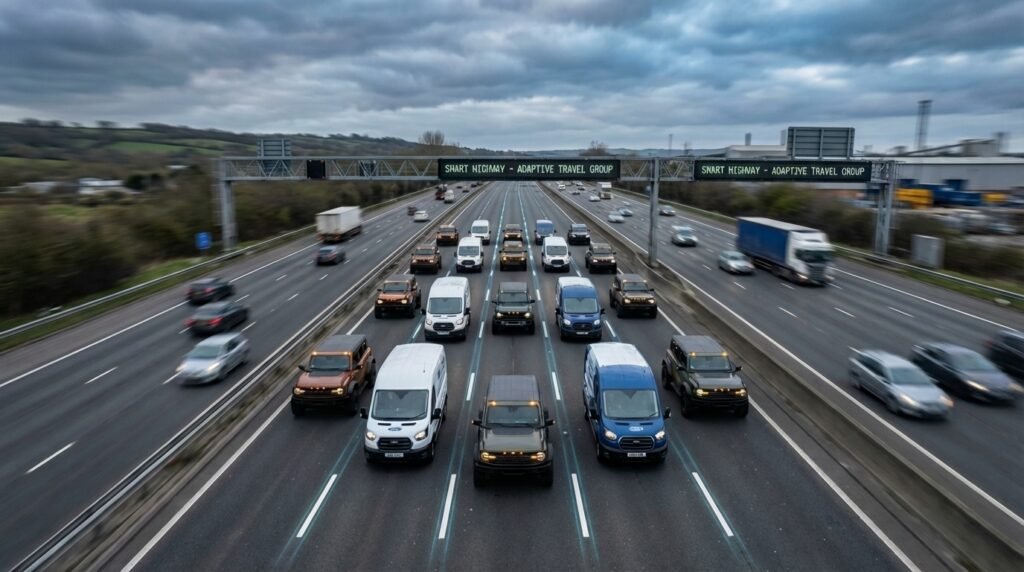
The patent describes a system that determines a vehicle’s driving style from multiple onboard systems, and then uses wireless signals to compare behaviors with nearby vehicles. For instance, the claim language explains that a processor evaluates acceleration, braking, and lane changes to form a dynamic driver profile. Next, the vehicle receives behavioral signals from other equipped cars and checks similarity against predefined thresholds. If comparability exists, the system recommends forming or joining a convoy with those vehicles. Importantly, the patent does not promise full autonomy but instead offers guidance and suggestions to drivers. Reported filings confirm this approach, and Ford Authority summarized the same claims in its coverage. As a result, the patent focuses on matching humans to other humans based on driving tendencies. In addition, the filing shows practical intent by relying on standard vehicle sensors and wireless communication, which could ease future implementation.\
How the adaptive guidance system Works
At a high level, the system fuses sensor data, creates driver profiles, and then matches compatible drivers in real time. First, sensors across the vehicle supply inputs such as throttle response, brake patterns, and lane-change frequency. Then, software analyzes those inputs to form a living behavioral profile that adapts with context, like highway cruising versus city traffic. After that, the vehicle transmits a privacy-respecting summary to nearby vehicles, and it receives summaries in return. When the system finds similar profiles nearby, it notifies the driver and suggests convoy formation. Importantly, the patent emphasizes guidance rather than automatic takeover, so drivers remain in control throughout. Consequently, the approach intends to reduce surprises in group driving and to create smoother traffic flow. Furthermore, the design leans on hardware already common in modern cars, which may simplify deployment and integration with existing driver-assist systems.


Sensor Fusion Is Key
Your car already contains many of the sensors the patent needs, so Ford proposes using existing hardware rather than adding exotic devices. For example, accelerometers, wheel-speed sensors, steering-angle sensors, and cameras all report behaviors relevant to driver style. In addition, the system can use GPS and inertial sensors to understand speed and positioning in real time. The patent suggests combining these signals through sensor fusion to create robust inputs for the profiling algorithm. Consequently, noisy or ambiguous signals become clearer when multiple sensors corroborate the same behavior. Moreover, this fusion enables contextual understanding, such as distinguishing a cautious driver in heavy rain from an aggressive one in dry conditions. Therefore, sensor fusion serves as the foundation for accurate driver characterization, and it supports reliable matchmaking between vehicles without requiring radical hardware changes.
Driver Profiling and Matchmaking on the Move
An intelligent algorithm continuously updates each vehicle’s driver profile, and then the system searches for compatible profiles nearby. Specifically, the algorithm tracks metrics like acceleration smoothness, braking intensity, and preferred following distances to build a dynamic “driver DNA.” Next, the profile is compared to incoming summaries from adjacent vehicles using similarity thresholds defined in the patent. When a sufficient match appears, the system suggests forming a convoy and provides routing or maneuver guidance to join the group safely. For example, it might alert you to merge behind two compatible cars heading the same way. Importantly, the patent describes privacy safeguards and selective sharing to limit data exposure. As a result, drivers can opt into group behavior matching, while remaining the ultimate decision-makers for any recommended maneuvers.
The Real-World Payoff: Why Drivers Should Care
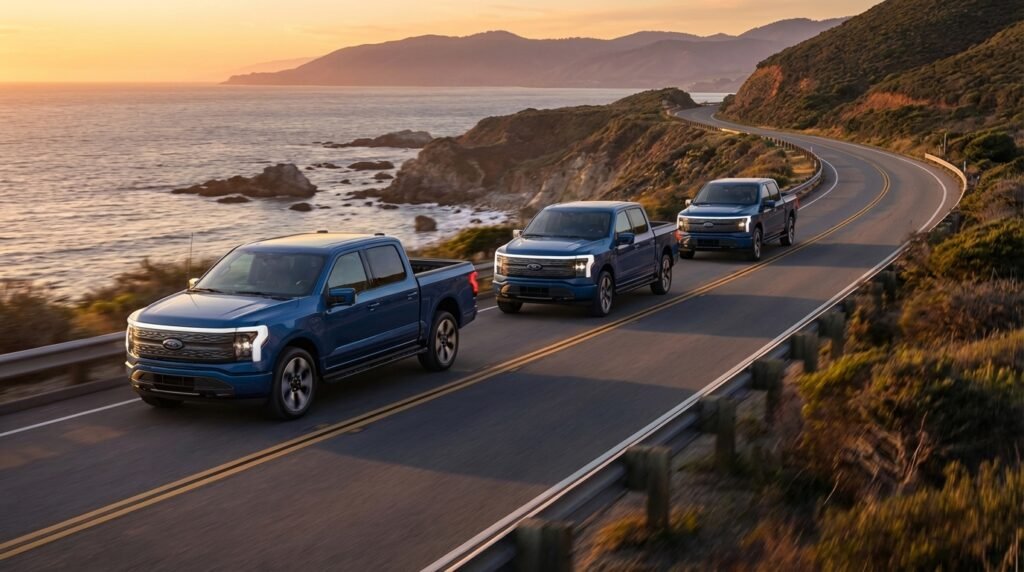
This concept targets common pain points in group travel, and it promises both safety and comfort improvements when it functions as intended. In typical convoys, a single unpredictable driver can force repeated braking and unsafe gap closures. Consequently, grouping drivers who behave similarly reduces abrupt speed changes and erratic lane maneuvers. Moreover, predictable group behavior lowers mental workload, which in turn helps drivers stay more relaxed and attentive. Beyond social drives, the patent suggests broader uses such as organized club trips, track-day shuttles, and potentially freight convoys with similar pacing for fuel efficiency. However, real benefits depend on adoption levels and the accuracy of profiling algorithms. Ultimately, if many vehicles support the feature and privacy is well-managed, convoy matching could improve traffic flow and reduce minor collisions linked to misaligned driving styles.
Final Take
Not every patent becomes a production feature, but this one feels practical and grounded in real hardware, so it deserves attention. The filing shows a clear path: use existing sensors, analyze driver behavior, and guide drivers toward compatible groups without removing human control. Therefore, this idea sits comfortably between simple adaptive cruise control and full autonomy, adding a human-centric layer to vehicle networking. In my view, the approach could meaningfully reduce convoy stress for enthusiasts and everyday drivers alike, provided manufacturers implement it thoughtfully. Furthermore, the patent aligns with broader trends in connected vehicles and human-centered design, which suggests Ford sees value beyond horsepower numbers. For now, watch patent-to-product signals, and expect gradual rollout if automakers decide the privacy, safety, and user-experience trade-offs make sense.