

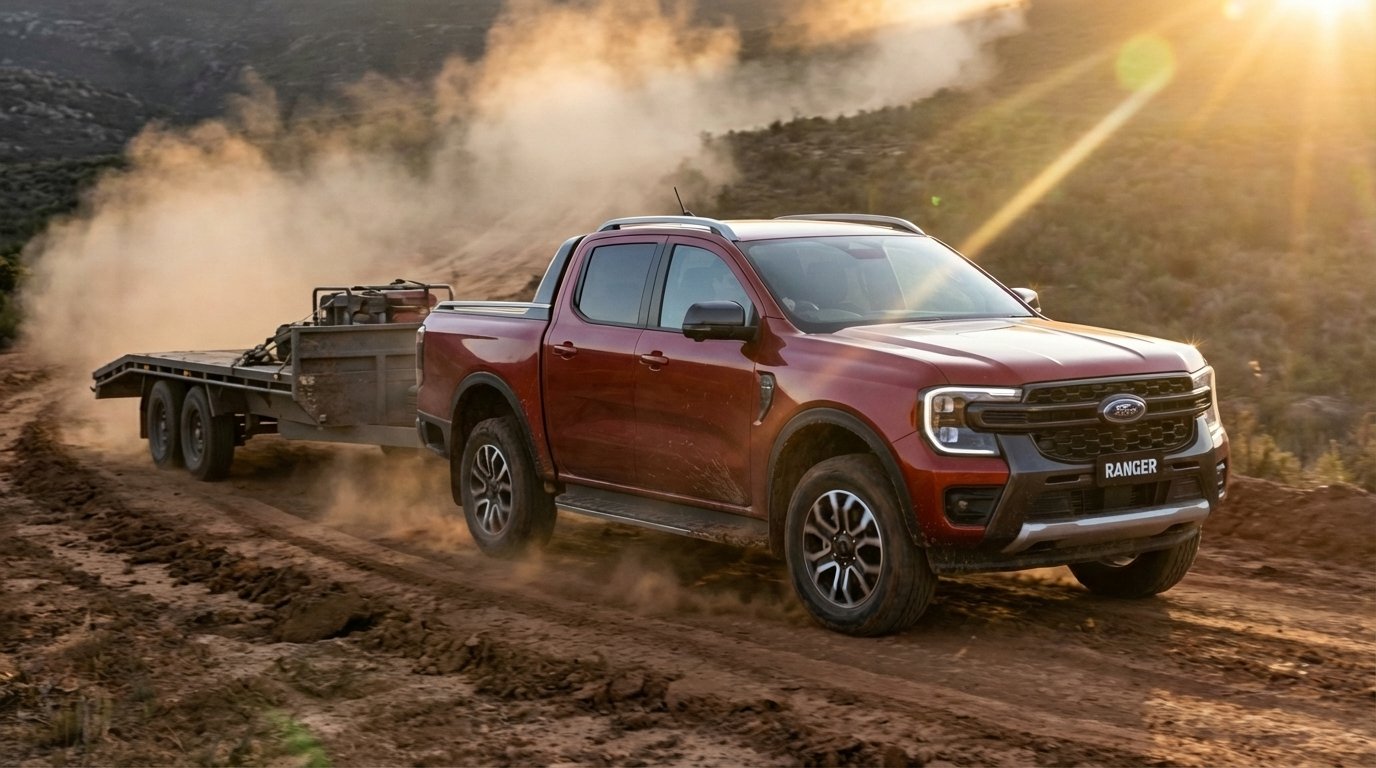

The Ranger PHEV will not come to America, and the decision reveals more than a simple product choice. For example, Ford officially confirmed the global plug-in hybrid Ranger will not reach U.S. showrooms. Consequently, many enthusiast buyers who wanted a capable mid-size truck feel ignored. However, the stated reasons—existing hybrids and lineup coverage—do not fully explain the call. Meanwhile, deeper forces like profit protection for the F-150 and an old trade tariff play a large role. In fact, the sixty-year-old Chicken Tax sits at the center of the controversy. Therefore, this article breaks down what Ford said, what the Ranger PHEV actually offers, and why corporate and policy math closed the door. Ultimately, the result is American buyers losing access to a unique blend of torque, efficiency, and utility that exists elsewhere in the world.
Ranger PHEV Confirmed Not for America
Ford publicly confirmed that the Ranger PHEV will not be sold in the U.S., and the company also shelved any Ranger “Super Duty” for America. First, executives pointed to the existing lineup as adequate, citing the Maverick Hybrid and the F-150 PowerBoost. However, that response feels like corporate misdirection to many observers. For instance, a body-on-frame, mid-size hybrid truck fills a different niche than a unibody Maverick or a full-size F-150. Moreover, the Maverick targets compact buyers while the F-150 addresses customers needing larger capacity. As a result, a clear product gap remains in Ford’s U.S. offering. Consequently, analysts argue the decision answers internal priorities more than consumer demand, and buyers who wanted a mid-size hybrid are left without an option from Ford.
Deconstructing the Global Ranger PHEV: What We’re Missing
To understand the frustration, consider the Ranger PHEV hardware and how it differs from simple hybrid systems. First, engineers designed the package for serious towing and daily efficiency, not just fuel assist. In addition, the system pairs a well-known turbocharged gasoline engine with a substantial electric drive that meaningfully boosts torque. For example, the electric motor works with the engine to deliver strong, immediate pull from a stop. Moreover, Ford tuned the drivetrain to preserve towing and payload capability, which matters to tradespeople and adventurers alike. Therefore, the Ranger PHEV reads like a purpose-built work truck that also offers electric-only driving for short trips. Ultimately, that combination is exactly what many U.S. buyers wanted but will not receive from Ford.


Powertrain Breakdown: Torque is King
The Ranger PHEV pairs a 2.3-liter EcoBoost gasoline engine with a powerful electric motor, and the package focuses on torque delivery. For instance, the electric motor contributes roughly 75 kW of power and draws energy from an approximately 11.8 kWh battery pack. Consequently, the combined output creates exceptional low-end pull for a mid-size pickup. Moreover, this setup delivers quicker off-the-line response than typical mild-hybrid systems. In addition, engineers calibrated the system to balance electric assist with combustion power during towing and heavy loads. Therefore, drivers can expect strong real-world performance instead of marginal efficiency gains. Ultimately, the powertrain design underscores Ford’s goal: provide serious capability in a more efficient package than conventional gas-only Rangers.
Real-World Capability and Killer Features
The Ranger PHEV offered practical features that made it more than a powertrain exercise, and these features appealed to work and lifestyle buyers alike. For example, Ford estimated the truck could run on electric power for just over 43 kilometers, which is roughly 27 miles, allowing many daily commutes to go gas-free. Additionally, Ford included Pro Power Onboard, which turns the truck into a mobile generator for tools, campsite gear, or emergency home power. As a result, contractors and outdoor users saw the pickup as a versatile tool. In addition, Ford retained competitive towing and payload figures so owners would not give up capability for efficiency. Therefore, the Ranger PHEV aimed to be a genuine workhorse and a practical daily driver at the same time.
The Official Excuse and the Real Fear
Ford’s public rationale points to its existing hybrid and electric choices, yet internal incentives paint a fuller picture of the decision. First, executives emphasize that the Maverick Hybrid and F-150 PowerBoost cover efficiency and performance needs in America. However, those models address different buyer priorities and price points. Meanwhile, company leaders must also protect the F-Series, one of their most profitable product lines. Consequently, a smaller truck offering F-150-like torque could lure buyers away from the high-margin F-150. In addition, the economics of introducing a new U.S. product require careful return-on-investment analysis. Therefore, protecting F-Series profit margin became a central reason to avoid a Ranger PHEV that might cannibalize those sales.
The Chicken Tax and How it Kills the Ranger PHEV Dream
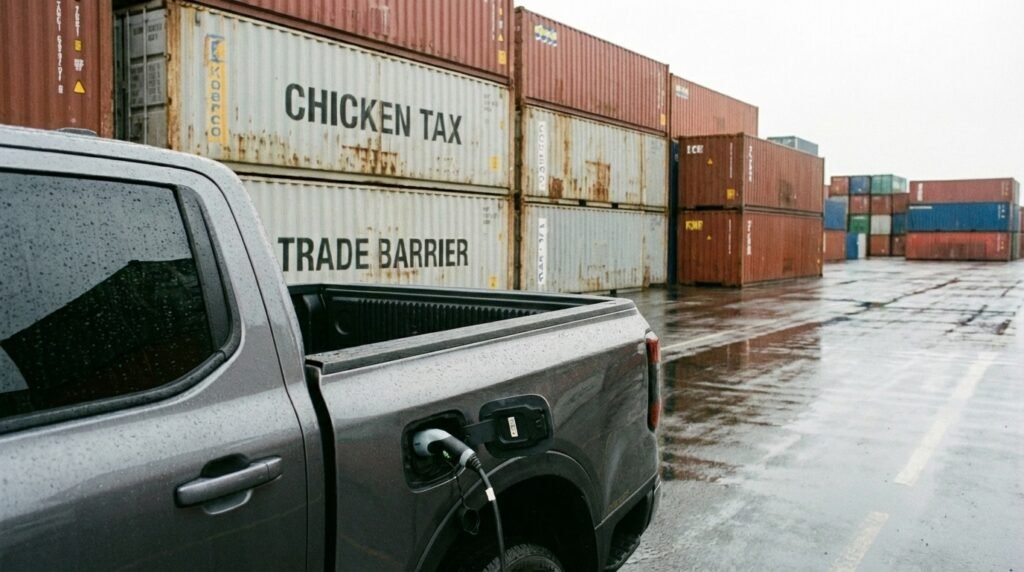
Beyond product strategy, an old tariff known as the Chicken Tax presents a major structural barrier to importing light trucks into the United States. For context, the Chicken Tax dates to a trade dispute in the 1960s and imposes a 25 percent tariff on imported light trucks. As a result, any foreign-built pickup faces a steep price increase at the U.S. border. The global Ranger PHEV is manufactured in plants outside America, including facilities in Thailand and South Africa, so importing it would trigger that tariff. Alternatively, Ford could build the truck domestically, but that option requires extensive and costly factory re-tooling. Consequently, when Ford ran the numbers, company leaders decided the financial and strategic risks outweighed the potential gains, effectively sealing the Ranger PHEV’s fate for the U.S. market.
What About the “Ranger Super Duty?”
The company also confirmed the so-called Ranger Super Duty will not come to the United States, and that choice aligns with market realities. First, the Ranger Super Duty-style variants serve global commercial uses as chassis cabs, often fitted with flatbeds or utility boxes. Meanwhile, U.S. commercial and heavy-duty needs are already dominated by Ford’s F-Series Super Duty models, which include the F-250 and F-350. Therefore, introducing a smaller, less capable Ranger-based heavy vehicle would struggle against established demand for larger trucks. In addition, Ford’s existing lineup meets the needs of commercial buyers here, so the automaker focused investment where volumes and margins make sense. Consequently, skipping the Ranger Super Duty for America followed clear commercial logic.
The Bottom Line: What This Means for Truck Buyers
Ultimately, American buyers lose access to a unique mid-size hybrid truck because of corporate strategy and an old trade barrier, and competitors may exploit that gap. For example, Toyota is advancing a Tacoma Hybrid that could attract buyers seeking mid-size efficiency and capability. Meanwhile, Ford chose the safer path of protecting F-150 profits and avoiding costly factory changes. Therefore, customers who wanted a body-on-frame Ranger with plug-in capability must look elsewhere or wait for policy and market shifts. In addition, the Chicken Tax remains a powerful, often overlooked force that shapes which trucks reach U.S. buyers. Finally, for those tracking the market, the decision highlights how tariffs and margin protection can limit innovation and consumer choice in the pickup segment; sources include Ford Authority, MotorTrend, and Car and Driver for further reading: https://fordauthority.com/2023/12/ford-ranger-phev-remains-out-of-reach-for-north-america/, https://www.motortrend.com/news/ford-ranger-phev-plug-in-hybrid-super-duty-not-for-u-s/, https://www.caranddriver.com/news/a46129331/ford-ranger-phev-super-duty-not-for-us/.