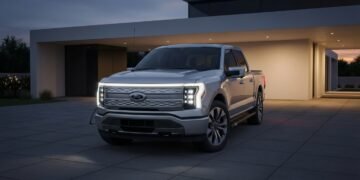





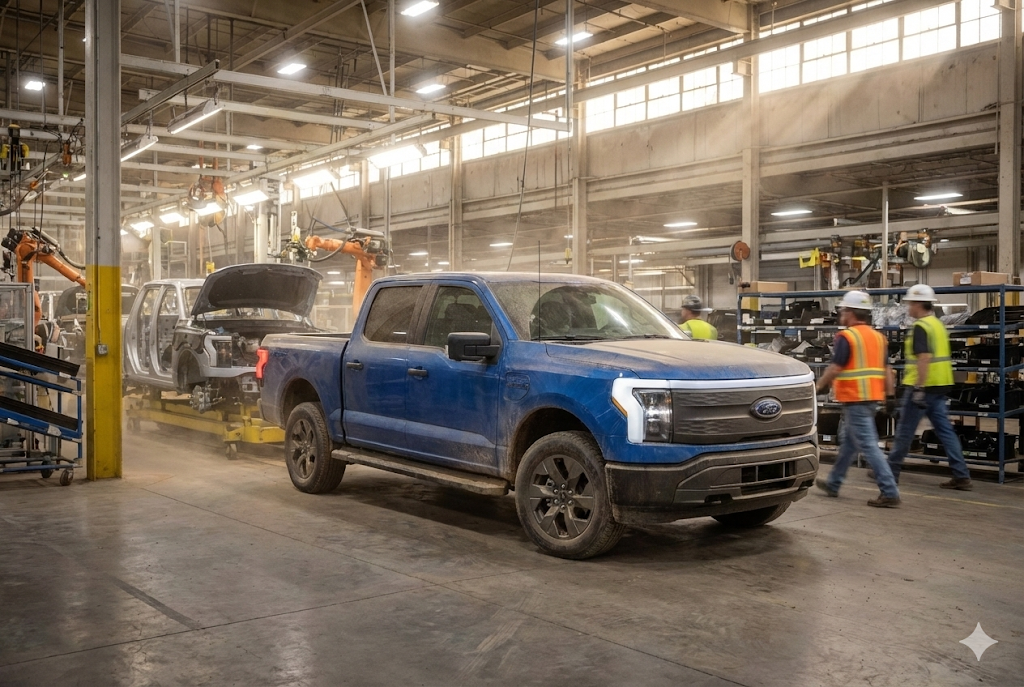
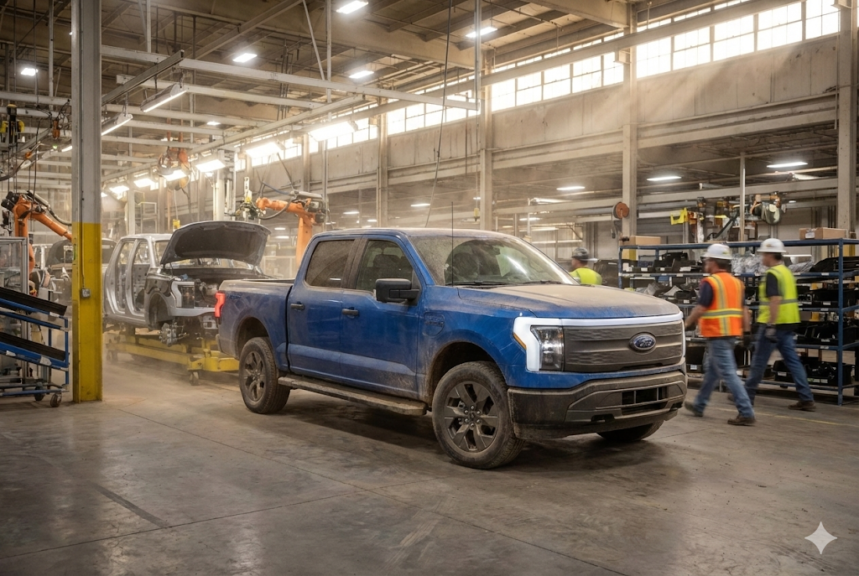
The F-150 Lightning is officially dead, and Ford confirmed the end of its all-electric pickup program. Moreover, the company halted production and cancelled the next-generation all-electric truck effort. For many contractors and practical truck owners, this outcome was predictable. However, Ford framed the move as a market adjustment and a shift in customer choice. In contrast, veterans see an emergency retreat after mounting losses and operational problems. Additionally, Ford is now reallocating resources toward Extended-Range Electric Vehicles, or EREVs. As a result, the decision reads like a tacit admission that pure battery trucks could not meet core work-truck needs. Finally, critics say this moment validates long-standing doubts about electric pickups in heavy-duty, real-world use. Overall, the F-150 Lightning saga shows the limits of an experiment that could not scale to traditional truck duties.
The Corporate Spin vs. The Brutal Reality
Ford’s official statements used mild language, yet the reality looked harsher behind the scenes. The company described the change as aligning supply with demand and giving customers more options. However, insiders and dealers painted a picture of financial strain and product misfit. In particular, Ford’s Model e unit absorbed sustained losses on its EV lineup, and reports suggested steep per-vehicle deficits. Consequently, executives faced pressure to stop funding a business segment that was losing substantial sums. In addition, the Lightning required large investments in dedicated manufacturing and tooling. Therefore, continuing production while losses mounted became untenable for the company. Meanwhile, marketing optimism collided with accounting reality, and the accountants ultimately forced a strategic pivot. As a result, Ford shifted away from a pure-EV pickup strategy toward solutions that better match mainstream truck buyer needs.
The Billion-Dollar Bonfire
Follow the money to understand why leaders pulled the plug on the Lightning program. Ford invested heavily in dedicated EV facilities and supply chains for the model, and those commitments added tens of millions in fixed costs. At the same time, some reports estimated that the company lost roughly sixty thousand dollars or more on each EV it sold. Therefore, every unit rolled out of the factory magnified the financial hole. Dealers then faced the downstream consequence of slowing retail demand, and inventory began to accumulate. In response, Ford authorized steep incentives and price cuts to move stock, yet many units still lingered on lots for months. Consequently, the combination of large capital spend and weak retail absorption created an untenable business case. Ultimately, executives concluded that abandoning the pure-electric pickup made more financial sense than continuing to subsidize a product that did not sell at scale.
Related Post



The Dealership Graveyard
Dealer lots filled with unsold Lightning pickups as the initial surge of early adopters faded. Dealers reported long dwell times, and vehicles sat for well over one hundred days in many cases. Consequently, showrooms morphed into staging areas for discounted EVs, and staff had to negotiate steep incentives to clear inventory. In addition, customers who needed a work-ready truck compared capabilities and costs, and many chose conventional F-150 models instead. Therefore, the Lightning’s slower velocity on lots underscored a mismatch between marketing promises and buyer priorities. Meanwhile, dealers faced pressure to reduce web-listed prices and to offer manufacturer support for aging stock. As a result, the retail channel’s difficulties accelerated corporate reassessment of the program. Ultimately, persistent inventory problems provided another tangible reason for Ford to halt the all-electric pickup initiative.
Why the F-150 Lightning Failed the Real Truck Test
Towing performance proved one of the most damaging shortcomings for the F-150 Lightning in real-world use. Ford advertised competitive range numbers, yet towing often reduced that range dramatically. For example, drivers reported range drops of sixty to seventy percent when hauling heavy trailers. Consequently, a claimed three-hundred-mile range could shrink to roughly one hundred miles under towing load. This constraint turned long hauls into a chain of charging stops and downtime. Meanwhile, contractors and campers found the practical limits unacceptable for common use cases. In addition, influential online demonstrations highlighted how quickly range evaporated with trailers attached. Therefore, the Lightning struggled to pass what many owners called the basic “truck test,” where towing capability ranks above all other attributes. Ultimately, a pickup that cannot tow efficiently will fail to convince many traditional truck buyers.
The Cold Weather Killer
Battery performance in low temperatures further undermined the Lightning’s appeal in cold climates. Owners reported significant range losses during winter, with drops commonly near forty percent or more in harsh conditions. Consequently, those in northern states found EV range unpredictable when heating systems and batteries demanded extra energy. Moreover, a work truck must operate reliably year-round, and frequent range swings created unacceptable risk for many buyers. In addition, maintaining performance in snow, ice, and subfreezing weather remains a challenge for battery-electric designs. Therefore, traditional internal-combustion trucks retained an advantage in cold-weather resilience. As a result, many fleet managers and independent tradespeople opted out of the electric pickup experiment in favor of vehicles they trust to perform in any season.
The Charging Infrastructure and Price Problems
Charging logistics compounded the Lightning’s shortcomings for real-world work use. Contractors working at new sites rarely have access to reliable, high-speed public chargers where they need them. Moreover, public chargers often suffer outages or long waits, and many charging stations do not support heavy-duty jobsite needs. Consequently, planning a day of hauling and field work around available chargers proved impractical for many owners. In contrast, gasoline refueling takes minutes at ubiquitous stations across the country. Additionally, price remained a significant barrier despite promotional rhetoric about an affordable pro model. The configurations commonly available at dealers carried sticker prices far above most small business budgets. Therefore, for a buyer focused on payload, towing, and uptime, the cost-benefit math often favored conventional trucks. Ultimately, limited infrastructure plus high effective prices curtailed broad adoption.
Ford’s Smart Pivot: The Hybrid Solution Is The Real Answer
Ford’s renewed focus on hybrids and Extended-Range Electric Vehicles represents a pragmatic response to these market realities. An EREV setup pairs a substantial battery and electric motors for everyday driving with an onboard engine that generates power when needed. Consequently, drivers gain silent, low-emission operation for routine trips while retaining long-range capability for towing and remote work sites. In addition, range extenders eliminate much of the anxiety tied to charging gaps and cold-weather drains. Therefore, fleets and tradespeople can benefit from electric torque and efficiency without sacrificing reliability. Moreover, this approach allows Ford to leverage existing fueling infrastructure during long hauls. As a result, EREVs may offer the best near-term path to electrified trucks that satisfy traditional buyers and protect commercial uptime.
The Shockwave: A Warning to the Entire Industry
Ford’s public retreat sends a powerful signal across the automotive sector, and competitors will watch closely. General Motors and Ram have invested heavily in their own battery-electric truck programs, and they now face new evidence that buyer demand may not match their current product assumptions. Consequently, these firms may adjust timelines, rethink cost structures, or increase focus on hybrid range extenders. In addition, the industry may see a broader shift toward pragmatic electrification that balances battery benefits with internal-combustion backup systems. Therefore, suppliers, dealers, and fleet customers should expect new messaging and product mixes in the months ahead. Finally, many who questioned the all-electric truck narrative feel vindicated, and they argue that a useful truck must prioritize work capability over trend-driven design. Ultimately, the market will decide which approach wins sustainable acceptance.