









EV Bribe Over: What Happens When the Free Money Stops
For years, the EV story has been sold as inevitability: mandates climbing, chargers multiplying, and buyers “choosing” electric in droves. But remove the $7,500 parachute and the narrative looks a lot more like a controlled glide than a moonshot. A recent nationwide poll says the quiet part out loud: a majority of former EV owners won’t even consider going back without at least $5,000 in incentives. If the tax-credit era really is finished, the next 12–18 months become a clean A/B test of true demand—and it could get rough.
The Poll That Popped the Bubble
A Harris Poll summarized by industry press surveyed ~2,000 U.S. adults. Among those planning a new vehicle, only ~29% said they were likely to choose an EV—soft but workable if pricing and infrastructure cooperate. Here’s the kicker: among people who left EVs, 60% said they’d need ≥$5,000 in incentives to consider returning; another chunk needed $2,500–$5,000. That isn’t “the product sells itself.” That’s “it sells when someone else helps pay for it.”
Why this matters: manufacturers planned factories, batteries, and marketing around a subsidized demand curve. Remove the support, and the curve shifts down—and fast.




The Instant “Trust” Discount (Where Was This Before?)
Notice how quickly the stickers blinked when credits vanished. Hyundai shaved ~$9,800 off the Ioniq 5. Other brands quietly matched with cash on the hood, subsidized leases, or “market adjustments” in the other direction. Dodge did a similar dance on the Charger Daytona: launch high, then chunky price cuts when credits evaporated and inventory ballooned.
Translation: if they can drop five figures overnight now, they could have shared that value earlier instead of using the tax credit to hold price discipline. Consumers see that—and remember.
Even CEOs Are Bracing for a Slide
When a Detroit chief warns EV demand could halve without incentives, believe the signal. Halving would shove EV share back toward ~5%, roughly where it sat a few years ago. That doesn’t mean EVs disappear; it means the addressable buyer pool is narrower and pickier without a subsidy smoothing the payment.
The Three Frictions No Discount Fixes
Price cuts help, but they don’t cure structural pain points:
- Charging time & access: A 30–40 minute stop feels fine on a calm day, awful in a storm, and impossible on a one-car household’s tight schedule.
- Use-case penalties: Towing, cold weather, and high speeds shred usable range, turning trips into math problems.
- Residual value anxiety: As tech sprints, early EVs can depreciate like electronics, not trucks. That scares monthly-payment buyers.
Until those are solved at scale, lots of shoppers treat an EV as a second car, not the only car—which shrinks the market when money gets tight.
The “Artificial Demand” Argument—And the Counterpoint
Critics say incentives “manufactured” EV demand. In part, yes: subsidies are designed to pull forward adoption and help new tech climb the cost curve. But the counter is simple: lots of categories got training wheels (solar, hybrids, even ICE during cash-for-clunkers). The question isn’t whether support existed—it’s whether the product stands without it now. That’s the test we’re entering.
Automakers’ Next Move: Pick a Lane, Not All Lanes
With credits gone, straddling every strategy is a margin killer. Expect clearer splits:
- Premium EVs that truly wow: Low weight, big efficiency, charging that just works, and software that’s bulletproof. These can command price without handouts.
- Practical electrification: Hybrids and PHEVs that give 35–50+ mpg or 30–50 miles electric for commutes. These win on math today, without mandates.
- Honest ICE value: Trim the compliance fluff, sharpen MSRPs, and let the market breathe. If buyers prefer gas for utility or cost, sell them a great one.
The brands that try to keep EV pricing high and remove ICE value will feel the squeeze first.
What Buyers Should Expect Next
- Deeper sticker cuts & fat leases: Instead of federal money, look for factory cash and subsidized money factors that mimic the old math.
- Trim simplification: Complexity costs. You’ll see fewer EV SKUs, with popular ranges and options bundled to hit price targets.
- Hybrid flood: From compact crossovers to full-size pickups, 35–40 mpg hybrids and torque-rich PHEVs are the new default “value tech.”
- Dealer behavior bifurcation: Stores with aged EV inventory will deal; hot regions with strong charging may still play hardball.
If You’re Shopping (Real Talk)
- EV as a second car? This is your moment. Chase the discount/lease sweet spot and enjoy cheap commuting—especially if you charge at home.
- One-car household? Run the total-trip math (winter range, road trips, towing). If it fails the “no-stress” test, look hard at hybrids/PHEVs.
- ICE buyer? Watch for quiet price normalization now that many compliance costs and credits are shifting. The value gap is closing.
The Policy Question No One Wants to Ask
If the goal is lower emissions per dollar spent, do broad EV credits beat targeted incentives for any vehicle that clears a high efficiency threshold (say, 35–45 mpg combined or proven lifetime CO₂ cuts)? A tech-neutral approach could have moved more metal, faster—without forcing buyers into a single drivetrain they weren’t ready for.
Bottom Line
The credit era masked a lot: high EV production costs, fragile software rollouts, and how thin true demand can be when charging and residuals make life complicated. Now the mask is off. Some EVs will keep winning on product alone; many won’t. Hybrids and efficient ICE will soak up the slack. And buyers—finally—get to pick without a federal thumb on the scale.
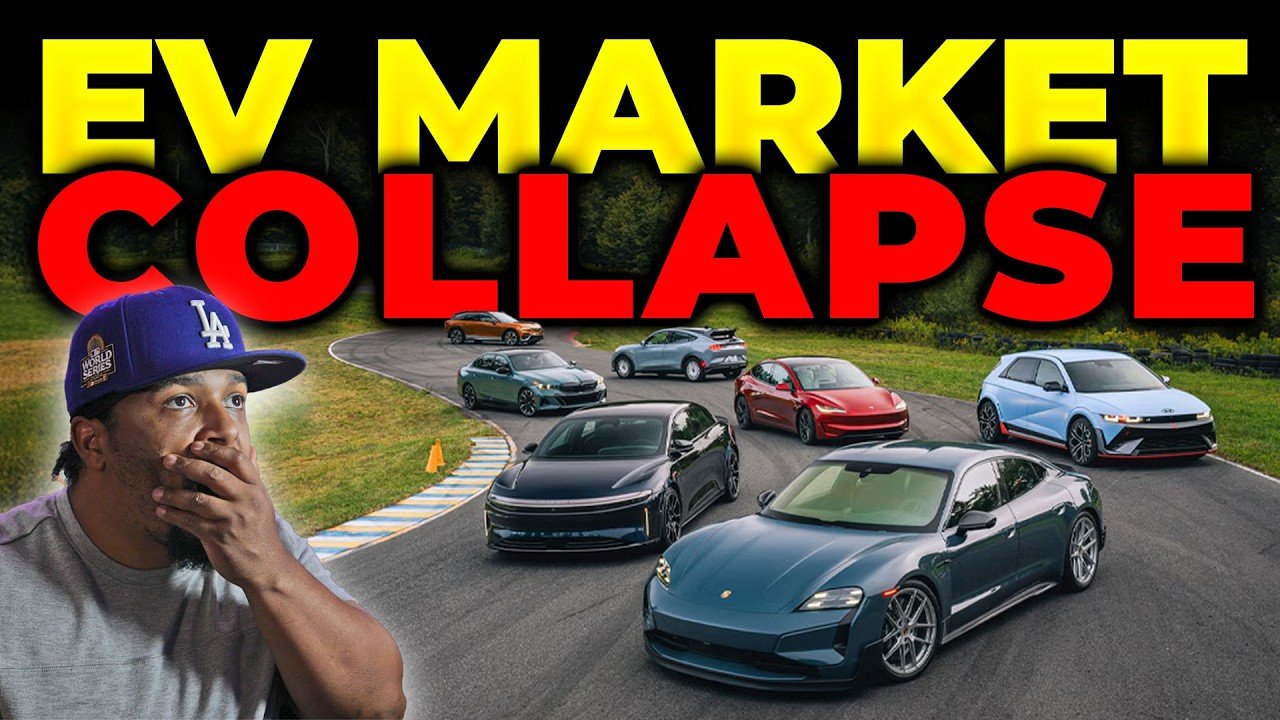
Call it a reset, not a collapse. When the “free money” stops, the market starts telling the truth.