









Zeldon’s EPA Moves to Reignite Baseload Power—And Potentially Upend the Endangerment Finding
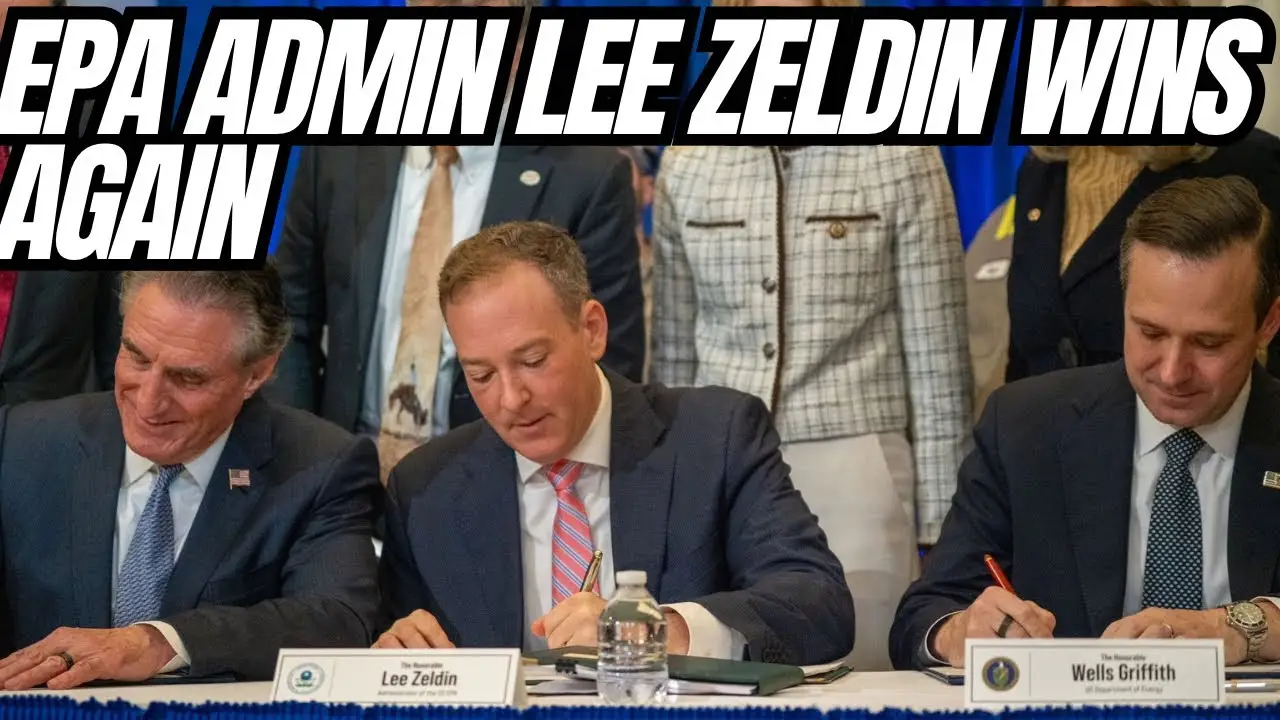
Lee Zeldon’s fast-moving tenure at the Environmental Protection Agency notched another headline this week, as he appeared alongside the heads of the Department of Energy and the Department of the Interior to back a federal push that would allow dormant coal-fired plants to be refired for sorely needed baseload capacity. The rationale is straightforward: with multiple generating stations mothballed—but not dismantled—the federal government can quickly add dispatchable power back to the grid, easing reliability concerns and, advocates say, putting downward pressure on residential electricity bills.
Critics in states like California have long opposed coal under any banner, but the EPA’s posture signals that Washington intends to prioritize grid stability—regardless of state messaging that may later claim credit for improved reliability. Supporters also point to Zeldon’s pace: beyond rolling back rules viewed as hostile to internal-combustion vehicles, he’s aligned EPA actions with DOE and DOI to synchronize permitting, fuel supply logistics, and restart timelines, framing it as an “all-of-government” effort to keep lights on and prices in check.
Hovering over the announcement is a bigger shoe that may soon drop: whether the agency will move on the Clean Air Act’s greenhouse-gas endangerment finding. Zeldon watchers expect a formal signal imminently, arguing that federal supremacy limits the ability of states to stall or relitigate core EPA determinations, though any shift would still spark legal and political battles over climate policy, vehicle standards, and power-sector compliance.
Related Post




Backers say the coal-plant restart window offers a near-term bridge while longer-lead nuclear, gas, and transmission projects spool up. Opponents counter that reintroducing coal—even as a stopgap—risks backsliding on emissions and locking in legacy infrastructure. For now, Zeldon’s EPA is betting that near-term reliability and affordability gains will resonate with ratepayers, and that coordination with DOE and DOI can compress timelines enough to show tangible results before winter demand peaks.