








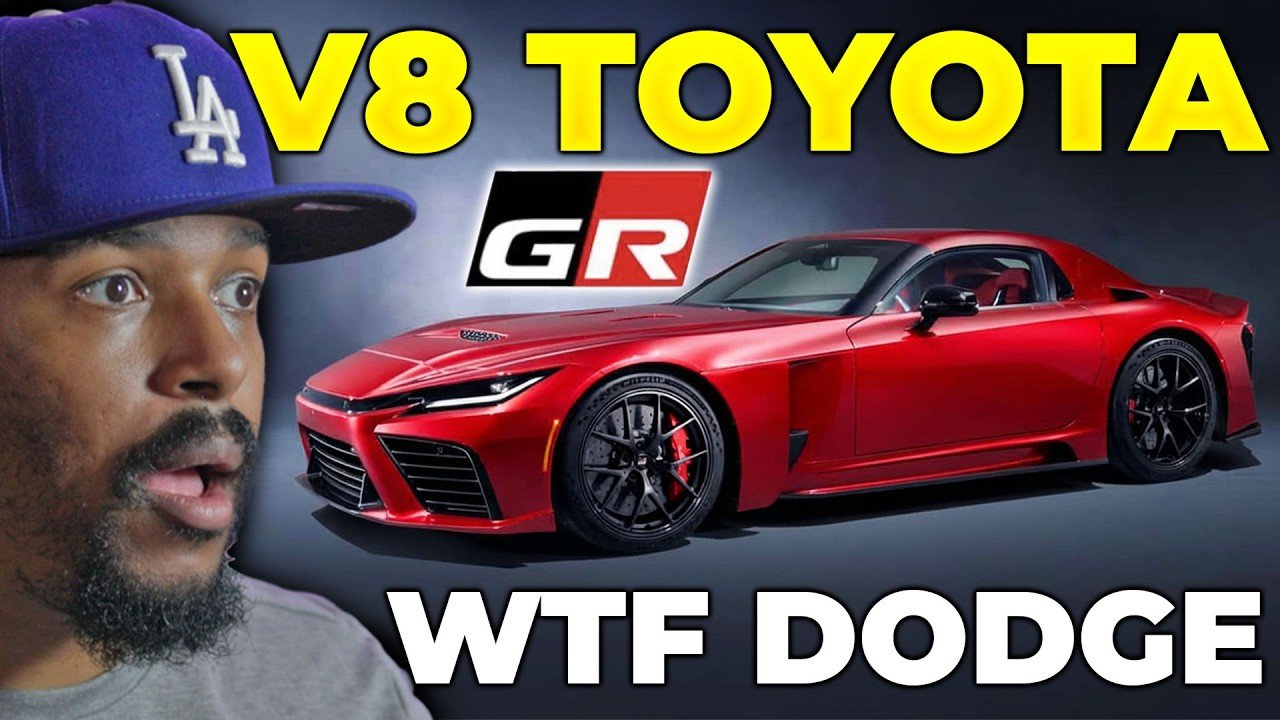
Stellantis is currently busy trying to force-feed us the Hurricane inline-6. Furthermore, they are aggressively pushing the Banshee EV down our throats. However, Toyota just did the unthinkable. Specifically, they unveiled a brand new, ground-up 4.0L Twin-Turbo V8 engine for a future street car. As a result, this proves that the internal combustion engine is far from dead. Meanwhile, Dodge has bowed down to government pressure by killing the Hemi. Consequently, Mopar fans are left watching a Japanese brand uphold the legacy of high-performance V8s.
Toyota Humiliates Dodge with a New V8
We are living in strange times. For instance, Dodge removed the V8 from their lineup to focus on electric vehicles. In contrast, Toyota just pulled the covers off a twin-turbo hybrid V8 engine. They designed this new powertrain for a brand-new production car. Therefore, this is a major point of celebration for enthusiasts. We have a new car getting a new V8 in a world that expected full electrification. This move clearly demonstrates that the V8 engine is not dead yet. However, it is not entirely good news.
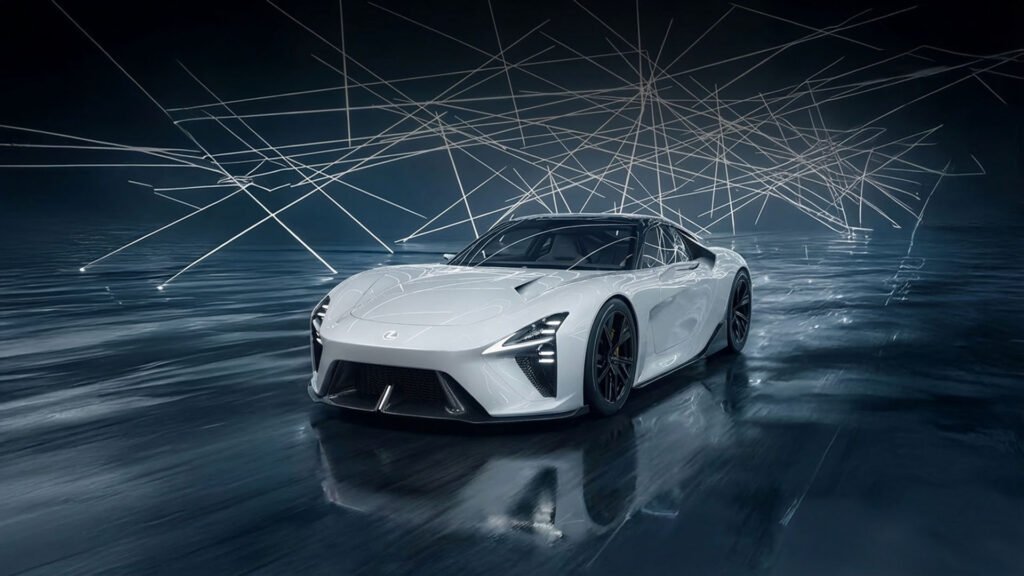
Alongside this V8 revelation, there is also a period of mourning. Toyota also unveiled a fully electric Lexus LFA successor. Although it looks awesome, it unfortunately has the wrong drivetrain. Overall, these two vehicles highlight exactly why Dodge has made a mistake by not putting a V8 in the new Charger yet.




The Story of “Revenge” and Humiliation
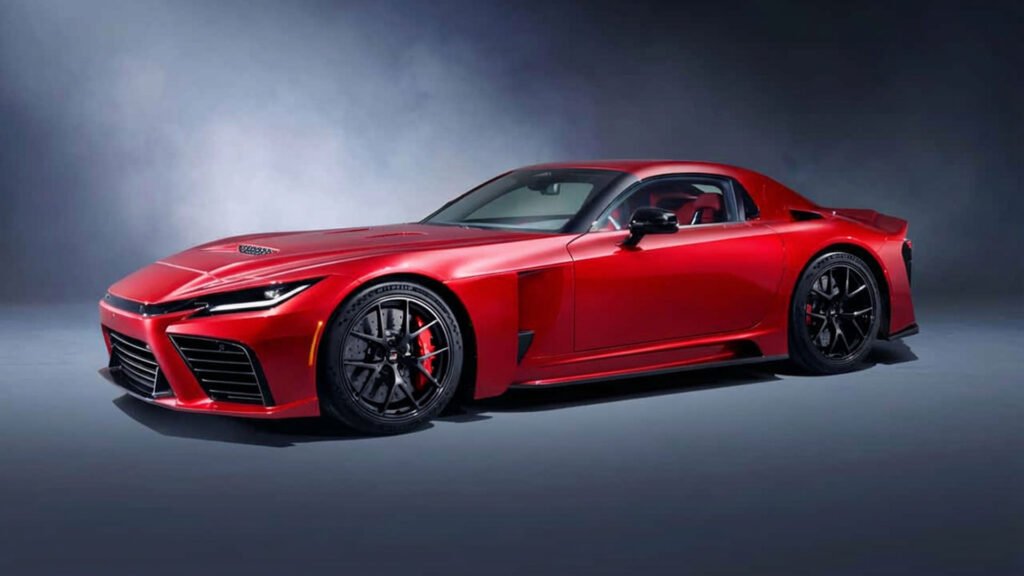
The new Toyota GR GT3 concept is not just a car; it is a statement. Visually, it gives off strong Mercedes SLS vibes. It features a low, wide stance and a long hood. Moreover, the design looks incredibly aggressive. However, the story behind its creation is even more interesting. During the reveal, the designers spoke openly about “humiliation.”
Fourteen years ago at Pebble Beach, people told Toyota’s CEO, Akio Toyoda, that Lexus cars were boring. As a designer, hearing that your heart and soul is boring is painful. Consequently, that feeling of humiliation became a turning point. It became a source of determination. In addition, Akio experienced humiliation at the Nürburgring 20 years ago. He saw other manufacturers prioritizing racing to nurture new technology. At that time, Toyota wasn’t even trying to build a car capable of racing there. In fact, they didn’t even have a sports car on sale. As a result, Akio drove a used Supra under a fake alias. Development prototypes from other brands constantly passed him. He felt they were saying Toyota could never build a car like that. Well, that was then. This is now.
4.0L Twin-Turbo V8 Specs Breakdown
Toyota is introducing this engine before Dodge, Ram, or Stellantis brings anything comparable to market. Here are the preliminary stats for this new Japanese supercar:
- Engine: 4.0L Twin-Turbo V8 with a hybrid drivetrain.
- Horsepower: 641 horsepower (preliminary).
- Torque: 627 lb-ft of torque.
- Layout: Front-engine, Rear-wheel drive.
- Transmission: 8-speed automatic transaxle.
Reports suggest these numbers are just preliminary. Therefore, the final horsepower could actually go up before production. Currently, the car is targeting a 2027 model year launch. This means Toyota has time to refine the power output even further. Additionally, the chassis features a very low center of gravity. As a result, the car should be extremely nimble on the track.
We must also note the use of a transaxle. Chevy uses a transaxle in the Corvette. Furthermore, Ford uses one in the Mustang GTD. Now, Toyota is about to use a transaxle. Meanwhile, we still do not have one in a Dodge product. This is just another example of how wild the current automotive landscape is.
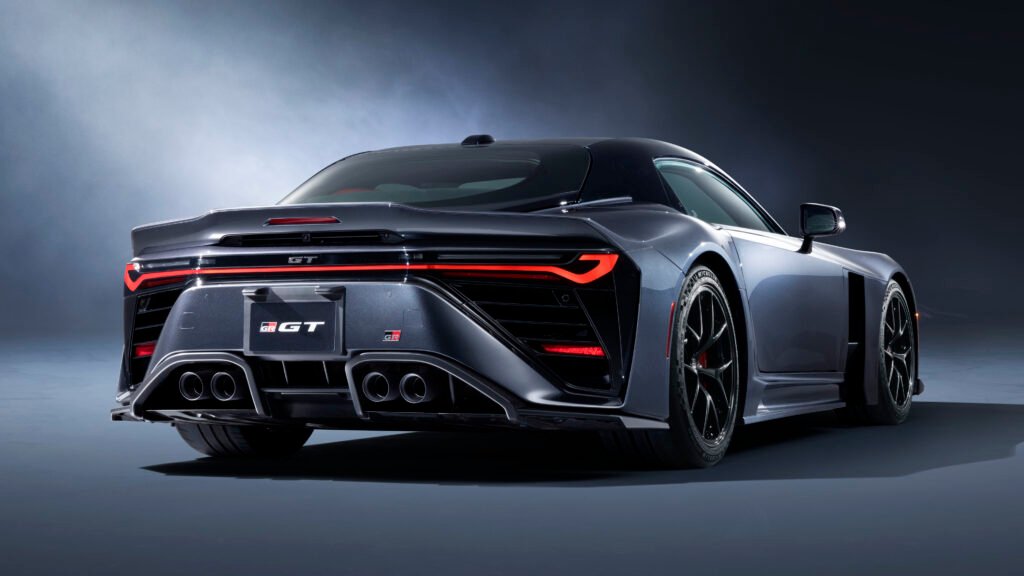
Chassis, Weight, and Design
Engineers focused the design strictly on performance. For example, the car targets a top speed of 199 mph. In terms of weight, it sits around 3,800 lbs. Toyota achieved this through an aluminum chassis and carbon fiber body panels. However, this construction likely means the car will be very expensive. Experts expect the price range to be well over $200,000. It could possibly reach into the $300,000 supercar territory. Consequently, most people will probably never see this car in person.
For grip, the car utilizes massive rubber. Specifically, it runs on Michelin Pilot Sport Cup 2 tires. The rear tires are 325s, which is significant. Surprisingly, the front tires are only 265s. Regardless, this setup ensures the car will have tremendous grip. Furthermore, it does not have all-wheel drive. This confirms it is a true driver’s car designed for fun and engagement.
The Electric LFA Mistake
While the V8 news is great, the LFA successor is a major disappointment. The original LFA was legendary for its screaming V10 engine. In contrast, Toyota has decided to follow it up with an all-electric drivetrain. This decision is frustrating. No one really cares about all-electric supercars. Here are the stats for the “soul-less” LFA concept:
- Powertrain: Fully electric (BEV).
- Battery: Targeting solid-state battery technology.
- 0-62 mph: Low 2-second range.
- Range: Approximately 430 miles.
Although the performance targets are high, the emotion is missing. Toyota should have built an engine version of this car. For instance, they could have taken the new twin-turbo V8 and made a flat-plane crank version. That would have sounded amazing. Instead, they are chasing EV trends.
Why Dodge Needs To Wake Up
Overall, Toyota’s move proves that manufacturers can still justify a new V8 in 2026. Dodge bowed to the government and pushed the Hurricane engine and EVs, which sold poorly. Conversely, Toyota felt humiliated and responded by building a 641-horsepower V8. If a Japanese company can certify a new V8 for the street, there is zero excuse for the death of the Dodge Hemi.