









Dodge Hornet recall headlines are piling up, and enthusiasts are understandably alarmed. You love the rumble of classic Mopar engines, and yet the brand is trying to pivot. Consequently, Stellantis launched the Hornet to bring Dodge into modern crossovers and electrified performance. However, this new CUV now faces a serious safety recall for brake pedals that can separate under use. That specific failure could leave drivers without primary braking force on public roads, and it strikes at the core promise of any new vehicle: safety. Moreover, the Hornet represents Dodge’s best chance to attract younger buyers with an electrified image. Therefore, each defect carries outsized consequences for the brand’s future. In short, this is not a routine recall. Instead, it feels like a major setback for a vehicle that must succeed.

The Hornet’s High-Stakes Mission
First, the Hornet exists because Dodge needed a modern, high-volume entry into crowded CUV markets. For years, the brand thrived on nostalgic muscle cars and large SUVs, yet market demand shifted toward efficient crossovers and hybrids. As a result, Stellantis had to act quickly to avoid losing buyers to rivals. The Hornet R/T PHEV arrived as Dodge’s first electrified performance model, and it was marketed to hook younger buyers into the brand’s legacy. However, bringing a tech-forward halo into a traditionally analog lineup required careful development and testing. Unfortunately, recalls and software troubles suggest validation fell short. Consequently, the Hornet now bears the burden of proving that Dodge can execute electrification without sacrificing reliability or safety. Ultimately, the vehicle’s early performance will shape public perception for years to come.
The Italian Connection: A Double-Edged Sword
To build the Hornet quickly, Dodge leveraged an existing platform developed by Alfa Romeo, and this shortcut both helped and hurt. On one hand, sharing the Tonale’s chassis and powertrains let Dodge enter the CUV segment without a years-long development program. This approach saved time and billions in engineering costs, and it delivered a modern, sporty foundation almost immediately. On the other hand, Alfa Romeo’s platform carried known reliability concerns in some markets, and those issues traveled across the Atlantic. Consequently, Dodge inherited not only the chassis but also potential software and electrical quirks. Stellantis claimed it would adapt and refine the Tonale’s architecture for American buyers, yet the sequence of recalls shows that adaptation has been imperfect. Therefore, the decision to badge-engineer the Hornet looks like a pragmatic risk that is now testing the brand’s credibility and customer trust.
Related Post




Dodge Hornet recall: A Disturbing Pattern
This latest brake-pedal recall adds to a growing list of quality-control problems that began after the Hornet’s launch. Initially, complaints focused on software issues in the hybrid system, but later defects affected core mechanical systems as well. For example, some PHEV owners reported sudden power loss or failure to start, and dealers issued software updates in response. Then, GT models experienced engine-stall events tied to engine control module behavior, prompting further action. Now, brake pedals can separate because a retaining clip may not be seated correctly, which creates an acute safety risk. Altogether, these problems suggest weaknesses in validation across software, electrical, and mechanical domains. Therefore, the recall sheet paints a broader picture than isolated glitches. Instead, it reflects systemic gaps in testing and quality assurance for a crucial new model.
The Newest Nightmare: Collapsing Brake Pedals
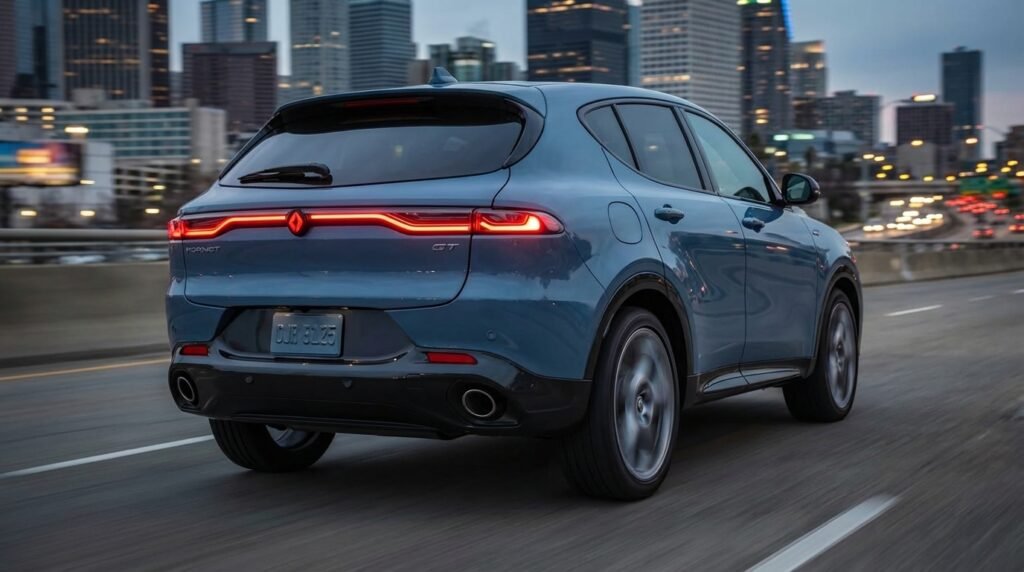
Recently, Stellantis recalled 11,153 units of the Hornet and its Alfa Romeo Tonale sibling due to a potential brake-pedal separation. According to reports filed with the NHTSA, the retaining clip that secures the pedal to the master cylinder may be improperly installed. As a result, the pedal can detach, which can cause total loss of primary braking while driving. Emergency parking brakes remain, but they cannot reliably replace normal service brakes at speed. Dealers will inspect the clips and reseat them if needed, yet the recall underscores a dangerous assembly or inspection lapse. Moreover, this failure is especially damaging because it affects a core safety system. Consequently, consumer confidence in the new model has eroded further, and buyers now face the unsettling reality that a performance-focused crossover can suffer catastrophic component failures.
Powertrain Problems and GT Model Stalls
Prior to the brake recall, the Hornet’s high-voltage hybrid system showed troubling behavior that undermined its halo status. Drivers reported sudden loss of propulsion and hard-start conditions under some circumstances, and Stellantis issued software updates to address those faults. However, software fixes do not erase the reputational damage from on-road failures. In addition, gas-only GT models suffered engine-stall recalls linked to ECM software behavior, which allowed engines to shut off unexpectedly. These incidents indicate that both hybrid and conventional variants experienced serious validation gaps. Consequently, the problems extend beyond electrified hardware to core vehicle controls. In the competitive CUV market, buyers expect reliable daily transportation, and unpredictable stalls or limp modes contradict that expectation. Therefore, Dodge faces an uphill battle to reassure customers.
Why This Isn’t Just Another Recall
Automakers issue recalls, so a single event does not always spell doom, yet context matters greatly in this case. First, the Hornet is a brand-new nameplate with no established reputation to fall back on, and early reliability issues can define the model for skeptical buyers. Second, the vehicle is central to Dodge’s strategy to modernize and win younger shoppers, so failures now directly threaten that broader plan. Third, the Hornet targets crossover buyers who prioritize safety and dependability more than some traditional muscle-car enthusiasts might. Therefore, a collapsing brake pedal or random engine stall becomes a decisive factor for family-focused purchasers. Ultimately, if prospective buyers lose trust, they will choose proven alternatives like the RAV4 or CR-V, and Dodge may struggle to regain momentum in its electrified transformation.

Butter’s Final Take
The Hornet started as a compelling idea: inject Dodge personality into a modern, electrified CUV platform while attracting new buyers. On paper, it offered style, performance, and a plug-in hybrid badge that could broaden the brand’s appeal. However, execution has fallen short due to a series of defects that include software faults, engine stalls, and now potentially collapsing brake pedals. Consequently, early adopters and loyal fans are left frustrated and wary. Stellantis must accelerate corrective measures, improve validation processes, and restore trust through transparent fixes. Otherwise, the Hornet risks becoming a cautionary tale rather than a gateway to Dodge’s electric future. In the end, the brand needs both solid engineering and careful rollouts to make this transition succeed.