










Dodge’s Muscle Car Evolution: The Push for Aluminum-Block Power
The last decade saw Dodge muscle cars redefine what was possible for everyday enthusiasts. The 700-horsepower supercharged HEMI V8 made high performance accessible, but many have long awaited meaningful updates to these engines. Despite incremental improvements for special editions, the base Hellcat engine has remained largely unchanged since 2015.
Now, Dodge has taken a bold step by strengthening the Hellephant 426 V8 with a new aluminum block and a suite of durability upgrades. This move has ignited discussion about whether the same treatment should be given to the 6.2L supercharged HEMI Hellcat, especially as the next-generation Charger looms.
Inside the Hellephant’s Upgrades
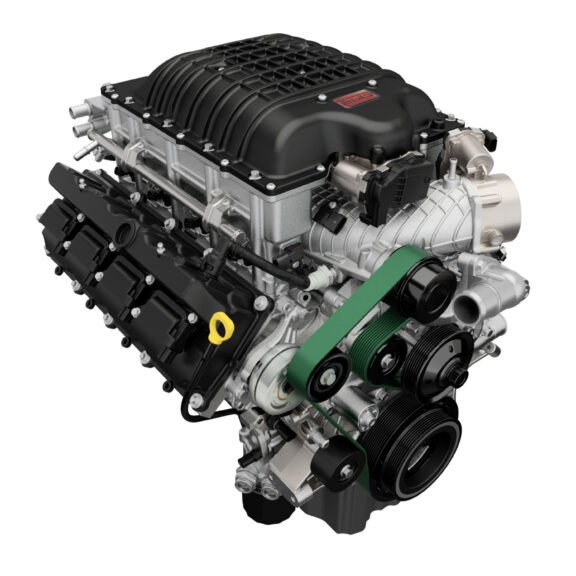
At SEMA, Dodge unveiled a revised 426 Hellephant crate engine. This 1,000-horsepower powerhouse now features a newly designed Gen 3 aluminum HEMI block, select six-bolt main metal caps for added strength, and precision CNC torque plate on cylinders. The upgrades continue with a high-performance 4340 forged steel eight-counterweight crankshaft, gun-drilled mains, and lightning rod journals.




- High-performance 4340 forged steel H-beam connecting rods with increased cross-sectional thickness and ARP 2000 bolts
- Upgraded IHI 3.8L twin-screw supercharger
- Lightweight billet supercharger belt tensioner
These changes address known weak points, such as piston and rod failures and crankshaft cap issues seen in previous high-output models like the Demon 170. Dodge’s response appears to be a direct fix for these reliability concerns, setting a new standard for factory durability.
Why the Hellcat Needs the Same Attention
The base Hellcat engine, despite its legendary status, has not received a significant revision in nearly a decade. While special editions like the Demon and Redeye pushed output higher, the core Hellcat has not benefited from the latest engineering advances. The call is clear: Dodge should bring the aluminum-block technology and internal upgrades from the Hellephant to the Hellcat lineup.
Such a move would not only reduce weight—potentially saving 80 to 100 pounds—but also increase reliability and tuning potential. For buyers, the option to select an aluminum-block Hellcat could justify a premium, much like carbon fiber wheels have in recent years. The result would be a lighter, more capable Charger Hellcat, especially in all-wheel-drive form.
Performance and Value for the Next-Gen Charger

The new Charger six-pack already tips the scales at 4,800 pounds. Swapping in a lighter aluminum-block Hellcat could offset some of that mass while delivering a significant horsepower boost. The host notes that the Hellcat engine is about 200 pounds heavier than the Hurricane engine in the six-pack, but with an aluminum block, the difference could shrink to just 100 pounds—while offering over 700 horsepower compared to 550.
For performance enthusiasts, this is a compelling trade-off. The ability to add future stage kits and increase power further would make the aluminum-block Hellcat a true foundation for the next era of Dodge muscle cars.
Factory Upgrades: A Win for SRT Buyers
As the 392 engine appears to be phased out of SRT products, the Hellcat is poised to become the base engine for Dodge’s performance lineup. Updating its internals and offering an aluminum block would give buyers more options and greater value. Whether through stiffer internals or a lighter block, these changes would help keep the Hellcat relevant and competitive.
With the price gap between standard Hellcats and high-end models like the Demon 170, a revised Hellcat could offer a more affordable entry point for those seeking serious performance without the top-tier price tag.
The Road Ahead for Dodge, Ram, and Stellantis Performance
The demand for a refreshed Hellcat is strong. Dodge’s recent moves with the Hellephant show that the brand is willing to invest in durability and innovation. Bringing these upgrades to the Hellcat would not only honor its legacy but also ensure it remains a cornerstone of Dodge’s muscle car future.
As Stellantis continues to shape the direction of Dodge and Ram performance vehicles, all eyes are on whether the aluminum-block revolution will spread across the lineup. For now, enthusiasts are watching closely, hoping the next Charger Hellcat will finally get the love—and the upgrades—it deserves.