






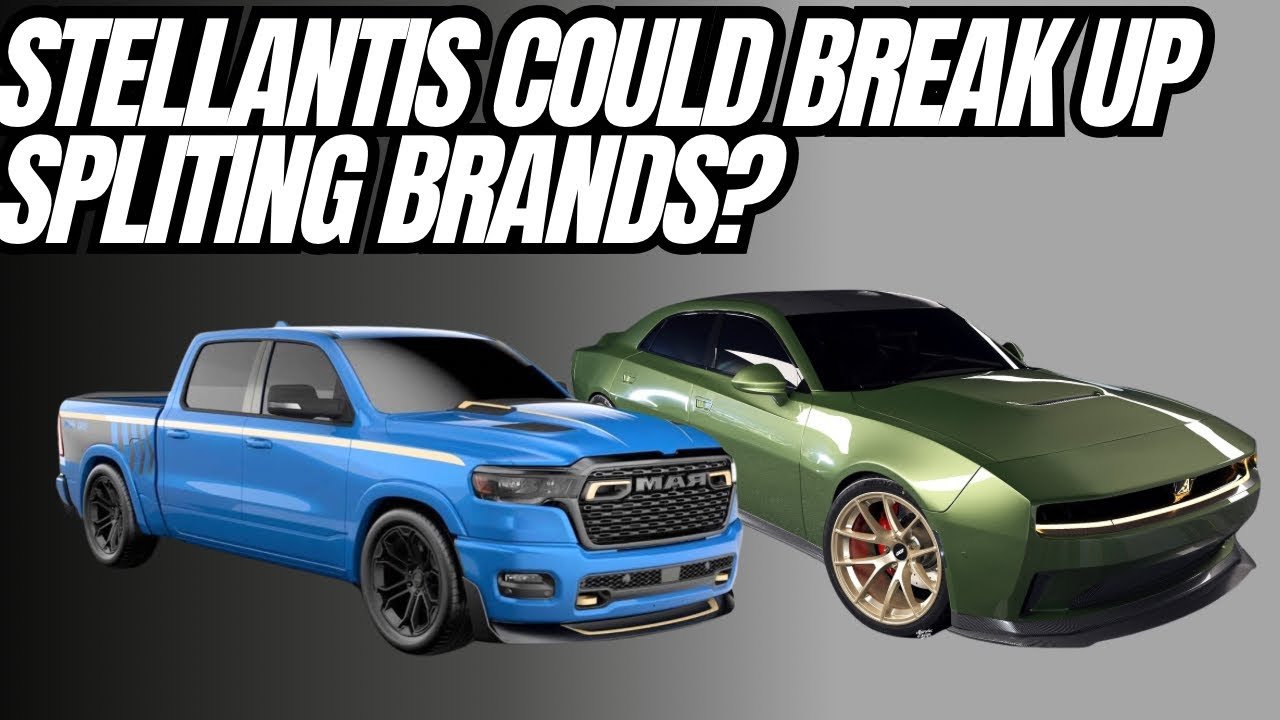
Tavares Says “Break Up” Out Loud. Here’s What That Means.
Carlos Tavares—yes, the same ex-CEO who steered Stellantis hard toward EV targets—has a new book and a fresh round of interviews where he floats the idea that Stellantis may need to be broken up to compete better. Multiple outlets reported the gist: the group is “too big,” the brands are culturally different, and synergies aren’t delivering fast enough. Translation: the mega-merger benefits aren’t showing up on the scoreboard, at least not where it matters. Stellantis.com
Why now? Timing matters. Stellantis posted a bruising first-half 2025 result: €2.5–€2.6 billion net loss on sharply lower North American performance and charges tied to resets and recalls. If you’re Tavares and you want to frame why things went sideways after you left the big chair, “maybe the company’s too unwieldy” is a convenient narrative. WardsAuto




What a Break-Up Would Look Like (The Realistic Version)
A clean, Hollywood-style breakup (“Chrysler Corp. rides again!”) isn’t how these things usually happen. More likely scenarios, if they ever got traction:
- Targeted spin or carve-out of a region or brand cluster (e.g., North America core—Dodge/Ram/Jeep/Chrysler—ring-fenced from the European multi-brand web).
- Internal operating split first, legal reorg later. You separate P&Ls, product roadmaps, and factories on paper before you change the logo on the building.
Those scenarios only get real if: (1) the losses continue, (2) debt/ratings pressure ramps, or (3) the stock underperforms peers long enough that investors force management’s hand. Right now, management isn’t signaling that. In fact, they’re doing the opposite: doubling down on a North America reboot. WardsAuto
The New Guard: Filosa + Kuniskis + SRT = A Different Playbook
Since Tavares exited, Antonio Filosa is the CEO, and the North America message has been “get back to what sells.” That includes the headline-grabbing move everybody noticed this summer: SRT is back, with Tim Kuniskis leading U.S. brands and performance integration. That’s a signal about product, culture, and customers. When you put SRT back on the wall and give Kuniskis the keys, you’re telling the market you plan to win buyers with American performance again. Repairer Driven News
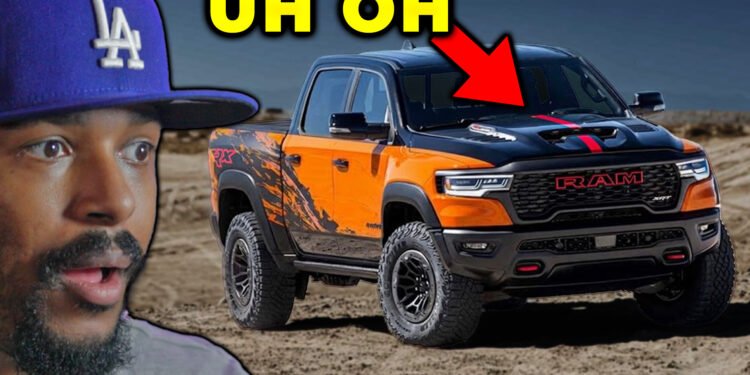
The ripple effects are already in the rumor mill: TRX’s return for 2026 has been widely reported as an early SRT calling card, reinforcing the pivot back to halo trucks that move metal and attention. None of that fits a “we’re breaking the company up next quarter” narrative. It fits a recenter North America and fix the product mix narrative. Road & Track
The Money: Why His Comment Lands Now
Let’s be adults about the numbers. Stellantis’ H1 2025 loss is real; North America used to be the profit engine. If the U.S. portfolio underperforms—and if recalls, write-downs, or slow launches stack up—investors stop being patient. That’s the oxygen a breakup thesis needs. Tavares pointing to “too big to execute” plays well against that backdrop. But remember: losses can reverse quickly in this industry when you (a) stabilize pricing, (b) feed dealers products people want, and (c) stop lighting cash on fire on the wrong nameplates. Filosa’s playbook is exactly that. WardsAuto
What It Means for Us (Dodge/Ram/Jeep/Chrysler Fans)
If Stellantis ever did split, the North American core is the asset you want consolidated and focused:
- Product Identity: SRT at the center, Direct Connection supported, and clear tiering (RHO/TRX, Scat-style packages, Jeep performance trims). That’s how you kick demand back on. Autoweek
- Manufacturing Dollars in the U.S.: The company just pledged $13 billion to U.S. operations. You don’t announce that if you’ve already chosen the breakup door; you announce that when you’re trying to shore up plants, suppliers, and launch cadence here. Construction Dive
- Brand Simplification: You’ll see fewer science-projects and more trims that print volume. Think: fewer mixed messages, more performance-led SKUs that dealers can actually sell at sane payments. (Again, SRT revival wasn’t for nostalgia; it’s about focus.) Road & Track
My Read on Tavares’ Motive
I’m not shocked he floated a breakup. It reframes the debate around his tenure: “The structure was the problem.” But the more interesting story is what the current team is doing to make a breakup unnecessary—rebuilding North America’s product gravity so the math flips. And the pieces are on the board: Filosa steering, Kuniskis assembling the SRT brain trust, and a public commitment to spend big in the U.S. Those moves don’t guarantee a turnaround… but they’re the right ones if your goal is avoid the investment-bank breakup slide deck. Autoweek
Bottom Line
- Yes, Tavares really suggested Stellantis may need to split. It’s not baseless—H1 2025 was rough. Stellantis.com
- No, that doesn’t mean a breakup is imminent. The company is moving the other way operationally: spend in the U.S., put SRT back in charge of performance, and feed the lineup stuff buyers actually want. Construction Dive
- If the NA turnaround bites—TRX-type halo, stronger Dodge/Ram/Jeep cadence—this becomes a footnote, not a forecast. Road & Track