



Banshee Hype vs. Reality: Why Dodge’s EV Moonshot Stalled—and What Comes Next
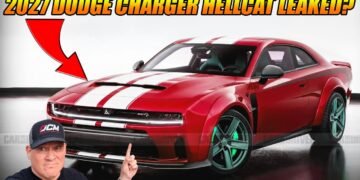
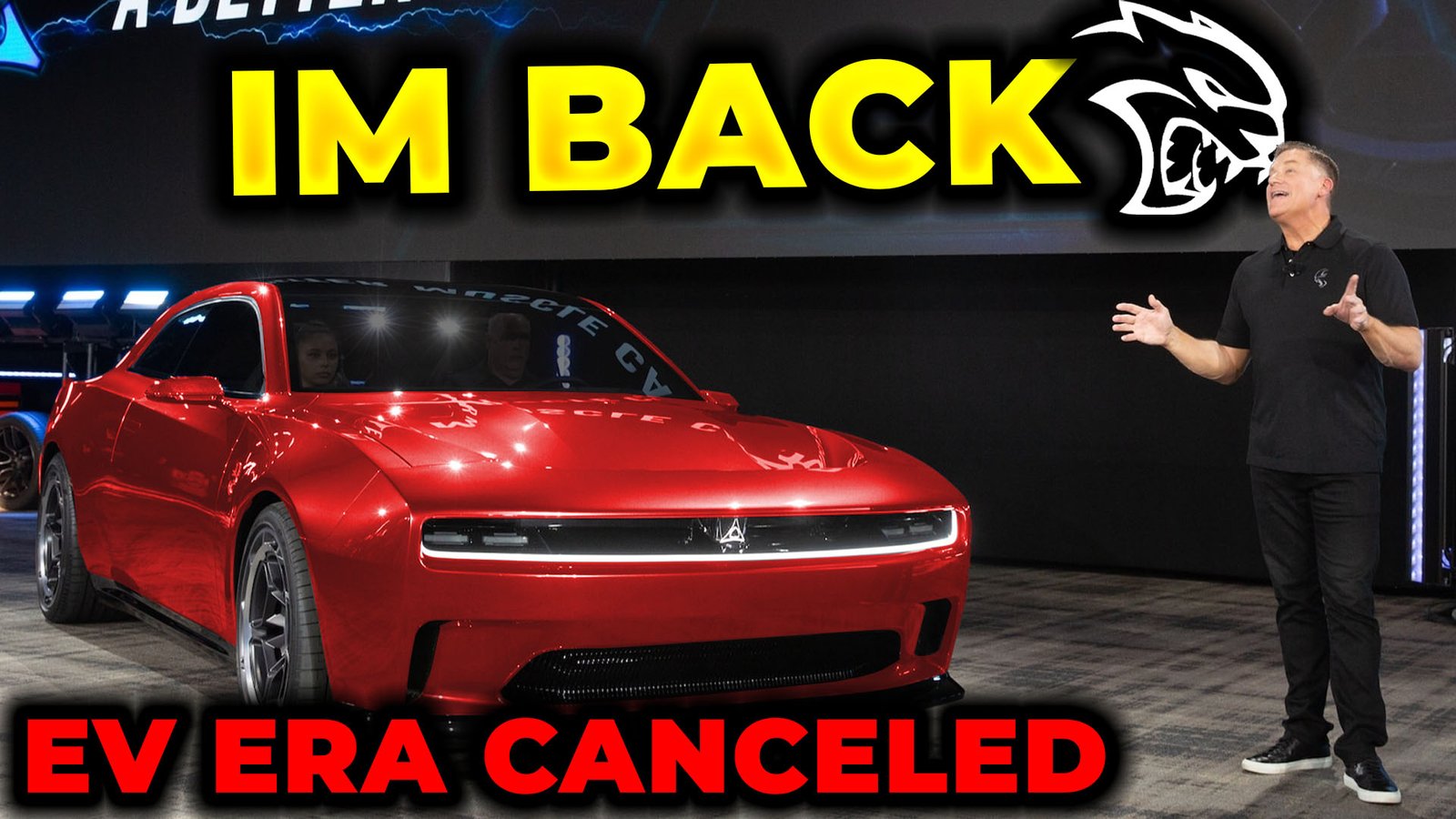
What if I told you the “electric muscle” era at Dodge just ran out of juice? After months of insider whispers and public headaches, the Charger Daytona SRT “Banshee” appears shelved—unofficially or not, the result is the same. If that holds, two out of three Charger EV variants are gone inside a single model year. That leaves one question that really matters to Mopar fans: is a HEMI-powered Charger already circling the block?
The Promise: Electric Muscle Without Compromise
Dodge sold a dream in 2021: “We don’t sell technology; we sell American muscle.” Translation—if an EV could make the car quicker and keep the vibe, Dodge was in. The Banshee was pitched as that bridge: brutal speed, sound design tricks, and a new-school delivery of old-school attitude.




But hype has a shelf life. And when the product that’s supposed to define the future arrives late, bloated, and tangled in software, the storyline turns fast.
The Reality: Why the Banshee Stumbled
1) The platform is too big because the batteries are too big.
To package enough cells for performance and range, the Charger Daytona ballooned to Grand Cherokee L territory. That changed the feel: heavier, longer, and further from the tossable menace people expect from a muscle coupe/sedan. The car didn’t just gain weight; it lost identity.
2) Performance parity without weight parity is a losing game.
If you can’t match Tesla’s power-to-weight (think ~4,400 lb with four-digit horsepower in some trims), a 6,000-plus-pound EV with ~670 hp feels like fighting uphill. “Electric muscle” still has to feel like muscle, not a fast appliance.
3) Software stack overload = day-one headaches.
Early owner feedback flagged gremlins—glitches, lockouts, features gated by software, even talk of “microtransaction” thinking around power levels. Predictably, the more code you pile on top of a brand-new electrical architecture, the more gremlins you invite. The car confused itself before it could convince buyers.
4) Demand floating on incentives, not desire.
Leases juiced by $7,500 credits helped move metal. But when credits sunset or flip, the monthly math changes overnight. If interest hangs on subsidies instead of love for the product, the floor drops the second the money does.
5) The brand’s loyalists weren’t converting.
Even Dodge’s own leaders admitted they’d lose some ICE-forever buyers and hoped to gain new ones. That gamble only works if the conquest wave is strong and the experience is bulletproof. It wasn’t.
The Bigger Backdrop: Policy Whiplash and the Cost Problem
Stellantis leadership has said the quiet part out loud: EVs can cost 30–50% more to build than their ICE equivalents. That delta can’t be shoved entirely onto the customer without crushing demand, so companies made up the gap with a cocktail of production credits, consumer tax incentives, and compliance tactics. When that cocktail gets watered down—and regulatory targets wobble—EV math stops penciling.
So, you’re left with an expensive EV built on a heavy platform, chasing a shrinking pot of incentives, sold to a customer base that largely came for V8 thunder. That’s not a product issue; that’s a strategy issue.
Two of Three Trims Axed—What Does That Signal?
Killing the R/T first (the glitch-magnet variant) telegraphed that software debt was real. If the Banshee is now iced as well, that’s Dodge admitting the flagship can’t carry the story—either because the numbers won’t work, the timelines won’t hold, or the customer response isn’t there. That leaves the Scat Pack EV as the lone survivor…for now. But with credits fading and orders going “status-only,” it looks more like a placeholder than a promise.
The Pivot: Why a HEMI Return Makes Sense
Here’s the bold call: expect a HEMI-powered Charger reveal within ~12 months—Roadkill Nights timing screams perfect. Why?
- Brand oxygen. Mopar’s heartbeat is loud, boosted V8 theater. A HEMI “saves the day” story wins the internet and resets the narrative.
- Faster path to love. ICE hardware is proven, the supply chain exists, and the customer affinity is instant. There’s no need to sell the idea of a muscle car—just the spec.
- Margin math. With EV subsidies shaky, a right-sized ICE (or high-output hybrid assist) can deliver performance and profit without training wheels.
- Dealer excitement. Lot buzz returns when allocations are fire and test drives sound like thunder, not white noise.
Does it have to be a 6.2L supercharged monster? Not necessarily—but if it’s not four figures or deeply into the 700s with meaningful weight savings, enthusiasts will shrug. A 5.7L “return” might steady volume, but a true Hellcat-class halo is what rewires culture.
Lessons Learned (The Hard Way)
- You can’t market your way past physics.
Weight is weight, and customers feel it in every corner and brake zone. - Software can add features—or friction.
Muscle should feel simple and instant. Layer-cake software turns thrill into troubleshooting. - Subsidy-based demand is brittle.
If your reservation line disappears when the credit does, you didn’t build demand—you rented it. - Identity beats ideology.
Dodge is Dodge because it sells attitude wrapped in acceleration. The minute the product feels like it’s apologizing for that, buyers look elsewhere.
What I’m Watching Next
- Order chatter for “Sixpack” Hurricane models. If retail momentum were real, we’d be seeing loud victory laps and delivery parades. Crickets are telling.
- Supplier noise and powertrain leaks. Supercharger sourcing, emissions cert trails, or transmission part numbers tend to leak before a big V8 reveal.
- Roadkill Nights programming. If Dodge is going to torch the internet, that’s the stage. Watch for “heritage” language and “the brotherhood returns” style teases.
- Size correction. A smaller, lighter Dodge coupe or sedan would be the ultimate mea culpa—and the cleanest way to reconnect with the Challenger/Charger faithful.
Bottom Line
The Banshee was supposed to prove that “electric muscle” could be more than a slogan. Instead, it exposed the limits of building a 6,000-pound icon on borrowed economics and fragile software. If Dodge wants the crown back, the fix is simple—even if the execution isn’t: bring the weight down, bring the V8 (or a worthy hybrid bruiser) back, and bring the price back to earth.
Book it: the next Charger you care about roars, not hums. And if it debuts under the Detroit lights at Roadkill Nights, that’s not coincidence—that’s Dodge remembering who it is.