










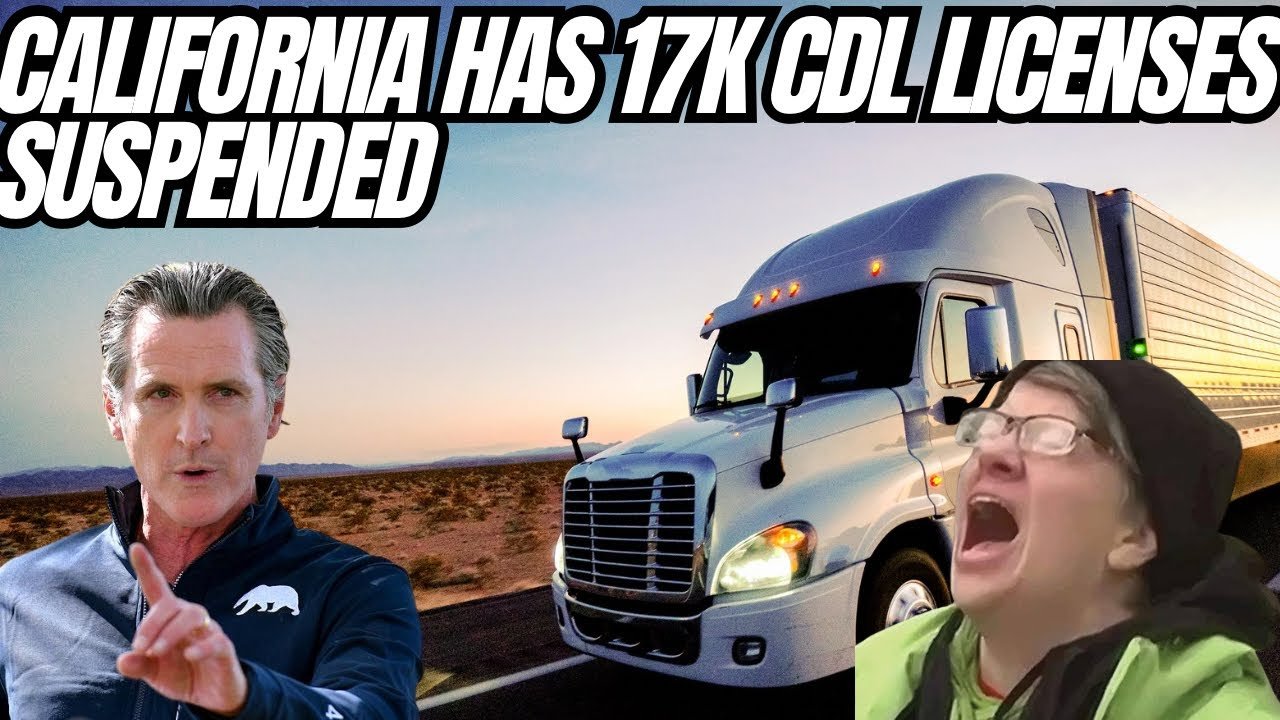
Massive CDL Suspensions Rock California
California has suspended more than 17,000 commercial driver’s licenses (CDLs) after federal officials determined the state failed to follow Department of Transportation (DOT) guidelines. This move comes as the federal government intensifies pressure on California, threatening to withhold $160 million in funding if the state does not comply.
The keyphrase “California Suspends 17,000 Commercial Driver’s Licenses” highlights the scale of the issue. The DOT is not backing down, and the consequences for California’s transportation sector could be severe. The state’s real IDs and CDLs may soon be invalid outside California, creating a ripple effect across the industry.
Federal Action and State Response
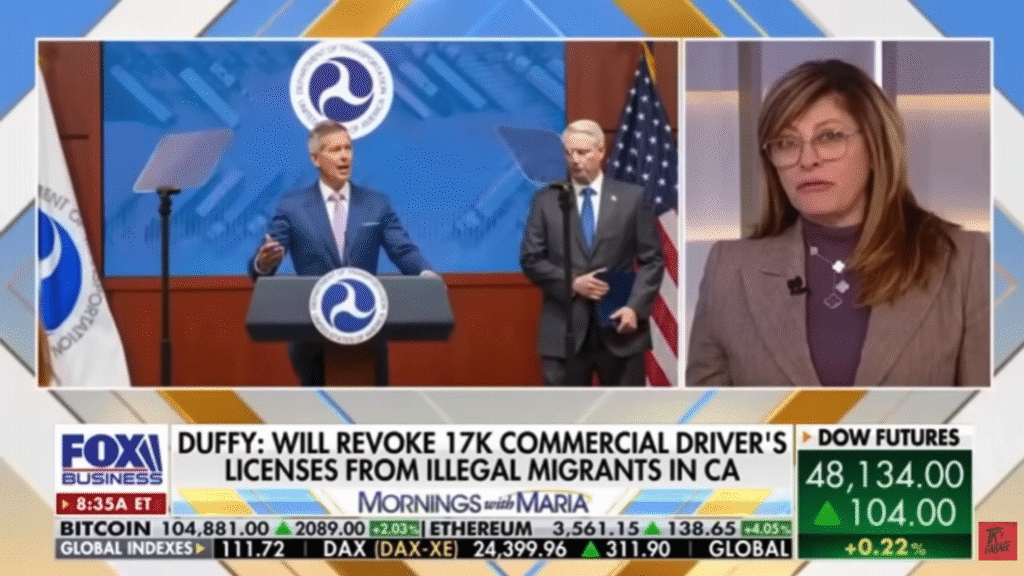
According to TK’s Garage, the DOT is stepping in because California has resisted federal requirements. As a result, the state now faces the possibility that federal regulators could decertify it, which would render its REAL IDs and CDLs invalid beyond state borders. Such a move would disrupt logistics and commercial transportation, especially for heavy-truck operators.
Related Post



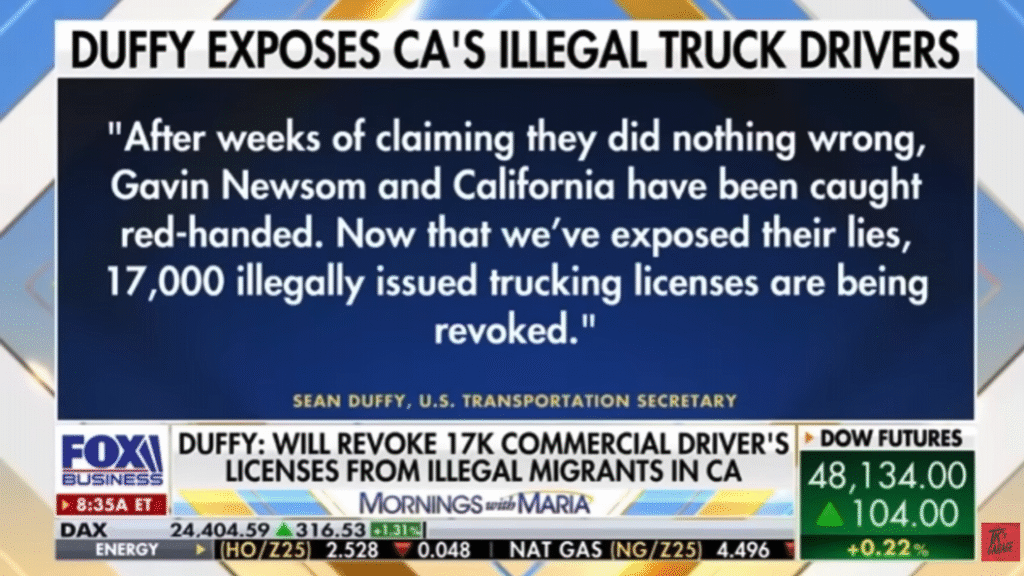
Federal officials allege that California’s Department of Motor Vehicles illegally issued thousands of CDLs to drivers who do not meet federal standards. Transportation Secretary Shawn Duffy stated that after weeks of denial, California admitted to issuing these licenses and is now revoking them. The licenses will become null and void within 60 days if the state does not act.
Public Safety and Policy Concerns
DOT officials have labeled many of the affected drivers as “dangerous foreign drivers.” Officials are framing the revocation of these licenses as a public safety measure. Trisha Mclofflin, a DHS public assistant secretary, emphasized the risks, noting that some drivers cannot understand law enforcement, read road signs, or speak English. She cited recent incidents involving reckless driving and fatalities linked to improperly licensed drivers.
California’s policy, which prohibits the state from asking about an applicant’s immigration status, is under scrutiny. Critics argue that this approach is not only reckless but also deadly, as it allows individuals who may not be qualified to operate 80,000-pound trucks on public roads.
Federal Funding and Industry Impact
The federal government’s threat to pull $160 million in funding underscores the seriousness of the situation. If California fails to revoke all improperly issued CDLs, the state could lose critical transportation funding. This would impact not only the commercial trucking industry but also broader infrastructure projects.
For Dodge, Ram, and other performance and muscle car brands operating in California, the fallout could affect logistics and supply chains. The suspension of thousands of CDLs may lead to driver shortages and delays in automotive deliveries, further straining an already challenged industry.
Political Fallout for Governor Newsom
TK’s Garage points out that the controversy is not limited to transportation. Governor Gavin Newsom faces mounting criticism and potential legal challenges. There is speculation that Newsom’s political future could be at risk, with some suggesting he may face charges related to the CDL scandal.
As the situation develops, many are asking who will be held accountable. Some observers now question whether Newsom will still be able to run for higher office, adding another layer of uncertainty to California’s political landscape.
Broader Implications for Automotive News
This crackdown on commercial driver’s licenses in California is sending shockwaves through the automotive and transportation sectors. The enforcement of DOT guidelines and the threat of federal funding cuts highlight the importance of compliance for all states. For automotive news followers, this story underscores the intersection of policy, public safety, and industry operations.
As the deadline for revoking the licenses approaches, all eyes are on California’s response. The outcome will have lasting effects on the state’s transportation infrastructure and could set a precedent for how similar cases are handled nationwide.