




California vs. DOT: What really happened—and why it matters
Let’s cut through the noise.
What sparked this firestorm
Related Post



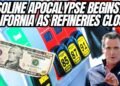
- A multi-vehicle crash on I-10 near Ontario, CA killed three people. CHP arrested the semi driver on suspicion of DUI as investigations continue. Early reports describe a red tractor-trailer plowing into slow traffic; all westbound lanes were shut for hours.
- In the aftermath, U.S. Transportation Secretary Sean Duffy said California upgraded that driver’s license six days before the crash, despite a new federal directive curbing how states issue/upgrade commercial licenses for certain foreign nationals (a category often called “non-domiciled CDLs”). Duffy’s department withheld $40.6 million from California and warned another ~$160 million is at risk. Reuters
California’s pushback
- California officials acknowledge the driver held a California CDL but argue the federal government granted/renewed employment authorization, which allowed the person to obtain a CDL “in accordance with federal law.” Translation: Sacramento says D.C. set the eligibility; the state issued the card. DOT says states issue the licenses and must follow DOT’s latest guidance, which California allegedly ignored in this case. Reuters
The English-proficiency angle
- Separate from immigration or work authorization debates, federal rules long required CMV drivers to read and speak English well enough to converse with the public, understand traffic signs, respond to officials, and complete reports—49 CFR 391.11(b)(2). That’s not new. What is new in 2025 is tougher roadside enforcement: per CVSA’s June update and FMCSA guidance, failing the English requirement can now place a driver out-of-service at inspection. Expect more checks and fewer excuses. cvsa.org
What DOT changed—and how it hits California
- Funding penalty: DOT already pulled $40.6M tied to compliance issues, including the new licensing guidance. California could lose another ~$160M if it doesn’t align, per Reuters’ on-record reporting of DOT’s stance. Reuters
- Licensing scrutiny: DOT says California “upgraded to a non-restricted license” for the Ontario-area driver a week prior to the crash—after DOT’s nationwide directive. California had told DOT it was compliant. That contradiction is why the money is on the line. Reuters
- Roadside enforcement ramp-up: With CVSA adopting FMCSA’s guidance, inspectors have clearer marching orders: no English, no driving—at least until compliance is verified. That’s immediate risk for carriers using drivers who can’t meet the standard. cvsa.org
What I’m seeing (and what I’m watching next)
- DMV & third-party testing audits: DOT is openly talking about fraud/abuse in CDL testing across states—not just California. That means audits of third-party testers, exam histories (repeat fails/retakes), and how DMV offices validate identity and eligibility. Watch for suspensions, decertifications of test sites, and prosecutions if fraud rings are confirmed. Reuters
- Policy whiplash risk: California’s public stance is that federal work authorization enabled licensure. DOT’s counter is that its guidance controls how states issue and upgrade CDLs—and states bear responsibility for who holds the card when the rubber meets the road. If California doesn’t align, more money gets held and the feds can escalate oversight. Reuters
- Carrier liability: Insurers and plaintiff attorneys are going to trace paper trails: exam records, language-proficiency issues, upgrade dates post-directive, and whether carriers knowingly dispatched drivers who couldn’t meet §391.11(b)(2). That’s a courtroom time bomb. cvsa.org
For drivers and fleets: how to stay out of the blast radius
- Audit your files now. Make sure every driver’s eligibility, test history, and license class/endorsements are clean and compliant with the latest DOT guidance—not just state DMV practice. If you’re relying on older interpretations for non-domiciled CDLs, stop and re-verify. Reuters
- Train for English-standard enforcement. If a driver can’t satisfy §391.11(b)(2) at the scale house, they can be placed out-of-service on the spot. That strands freight and kills schedules. Build language-skills screening into onboarding and recurrent checks. cvsa.org
- Know your lanes. With California under a microscope, expect more inspections and paperwork reviews at ports and corridors feeding the I-10, I-5, and 60/91 networks. If you’re running through SoCal with thin compliance, you’re playing with fire.
Bottom line
A tragic crash lit the fuse, but the real explosion is a federal-state knife fight over who set the rules and who broke them. The U.S. DOT says California ignored a fresh directive, upgraded a CDL days before the crash, and now owes the consequences—cash withheld, more at risk, and stricter roadside enforcement that won’t care about politics when an inspector walks up to the cab. If you drive or manage trucks in or through California, tighten up your compliance now—before DOT tightens it for you. Reuters