



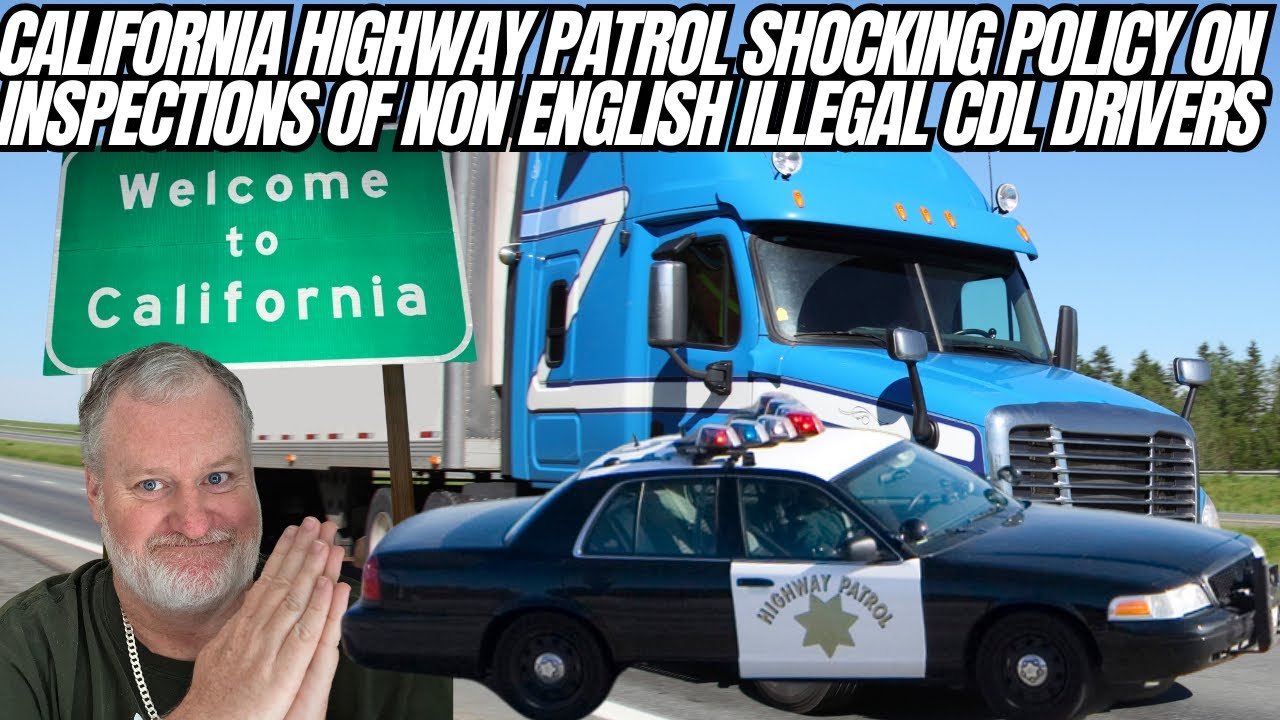
California’s CDL Problem Isn’t “Politics”—It’s Policy, Paperwork, and People Dying
Let’s cut straight to it. After that horrific chain-reaction crash on the 10 in Ontario, California — multiple semis involved, three lives lost, miles of freeway shut for half a day — the feds aren’t talking in riddles. The U.S. Department of Transportation says California upgraded the driver’s CDL less than a week after new federal guidance told states to stop issuing or upgrading certain licenses for non-domiciled drivers. DOT has already pulled $40 million from California and is scrutinizing more, with additional penalties on the table if the state doesn’t comply.
Here’s the part that matters to anyone who drives, rides, or just wants their family to get home: this isn’t a debate about feelings. It’s about compliance with rules every state agreed to follow. The DOT’s own inspector general and auditors have been flagging gaps in how CDLs are issued to foreign nationals and whether the states are following the requirements. California said it was in compliance. DOT says the paperwork shows otherwise — at least in this case tied to a fatal crash.
Related Post



The Rule Everyone Keeps Dancing Around
Federal regulations aren’t vague here. To legally drive a commercial motor vehicle in the U.S., you must “read and speak the English language sufficiently” to understand traffic signs and communicate with officials. That’s 49 CFR 391.11(b)(2). It’s been on the books for years. You can dislike the rule, but you can’t pretend it doesn’t exist. FMCSA
That same ruleset covers baseline driver qualifications, and it’s paired with the CDL issuance framework states have to follow. The feds set the standards; states issue the plastic. When the feds update guidance — for example, on non-domiciled CDLs and compliance checks — states don’t get to shrug. The DOT says California upgraded a license six days after that guidance, which is why the money got yanked and why more could be held back.
The Ontario Crash: Why This Blew Up
Local coverage of the Ontario pileup underscores why the scrutiny is white-hot: a loaded semi at freeway speeds hit slowing traffic, four semis and four cars tangled, and three people died. Westbound I-10 near the 15 was shut for hours while investigators and coroners worked the scene. It’s exactly the nightmare scenario the federal standards are supposed to reduce — qualified, communicative drivers in 80,000-lb equipment, operating safely around the rest of us.
And this isn’t the only case keeping DOT’s hair on fire. In Florida back in August, another fatal wreck triggered a deep dive into how a different driver obtained and transferred a CDL after racking up repeated test failures. Florida outlets and national press documented the testing history and enforcement fallout. None of this is academic; it’s a pattern the feds are actively investigating. Wikipedia
California’s Defense vs. DOT’s Receipts
California’s line has been, essentially: “The federal government gave employment authorization; that allowed the license.” DOT’s response: employment authorization is not a substitute for meeting CDL eligibility and qualification requirements — including the English standard — and states are responsible for issuing in line with federal rules. That’s the crux of the clash. If DOT’s audit shows non-compliant upgrades, the penalties (money first, certification risk later) are absolutely in play.
If you work the scales or do inspections, you already know how this lands on the ground. Level-1 inspections require time, trust, and communication. If an officer can’t communicate with a driver about basic safety items, they won’t crawl under the truck — and the whole point of Level-1 is to catch the mechanical issues before they hurt someone. The federal English rule exists to make that possible. Again: this isn’t culture war theater; it’s roadside practicality codified in law. FMCSA
What Happens Next (and Why It Matters Beyond California)
- Money leverage: The feds already withheld $40 million tied to compliance issues. More funding is under review. That’s not symbolic; those dollars pay for enforcement programs, training, and the very people tasked with keeping unsafe rigs off the road.
- Wider audit pressure: Expect DOT to widen audits on CDL testing centers, third-party testers, and interstate transfers. The Florida case showed how easy it is for a bad process to slip through until a tragedy puts it on TV. Wikipedia
- Statehouse heat: If California adjusts policy to align with the new guidance, expect troopers and DMV staff to feel it first — more documentation, stricter upgrades, and less room for “we’ll sort it out later.” If it doesn’t, the certification threat down the road gets real.
Let’s Talk About the “English Requirement” Like Adults
Is the English rule perfect? No. Does it save lives? I’d argue yes — because most CMV stops and inspections aren’t about catching criminals; they’re about catching miscommunication before it becomes a mechanical or situational failure at 60 mph. If a sign says “LANE CLOSED 1 MILE” and a driver doesn’t understand that, he becomes a missile. That’s not an insult. That’s physics.
The fix isn’t complicated: follow the federal testing and issuance rules, verify proficiency, and audit the people handing out passes. If someone’s qualified and communicates well enough to pass the standard, welcome to the road. If not, training and retesting — not shortcuts — are the path. FMCSA
Side Note: Separate Fight Brewing Over Diesel Enforcement
While we’re on trucks and enforcement, there’s a separate push in Congress called the Diesel Truck Liberation Act out of Wyoming. It aims to curb EPA prosecutions tied to emissions tampering (the “delete” wars) and even calls out cases where mechanics say they bypassed failed systems to keep ambulances and fire trucks running. Whether you love or hate it, it’s gaining airtime — which means emissions policy for heavy-duty fleets is about to be debated in plain language again.
Bottom Line
California can argue talking points, but DOT brought paperwork and penalties. The federal standard is crystal on English proficiency and on how states handle non-domiciled CDLs. When states ignore updated guidance and people die, the feds will squeeze funding — and they should. Fix the issuance, enforce the standard, and stop treating 80,000-lb trucks like political props. The stakes are steel, speed, and human lives. FMCSA
Sourcing: U.S. DOT/AP reporting on withheld funds and non-compliance tied to a fatal California crash; the controlling federal rule 49 CFR 391.11(b)(2); local/TV reporting on the Ontario I-10 pileup; and coverage of the Wyoming “Diesel Truck Liberation Act” push. FMCSA