








Auto Intel Daily: Feds Freeze California Funds—Roadside Smog Checkpoints Just Got Iced
What is up, guys—welcome back to Auto Intel Daily. I covered a slice of this on TK’s Garage, but plenty of you here don’t see that channel, so let’s run it down clean.
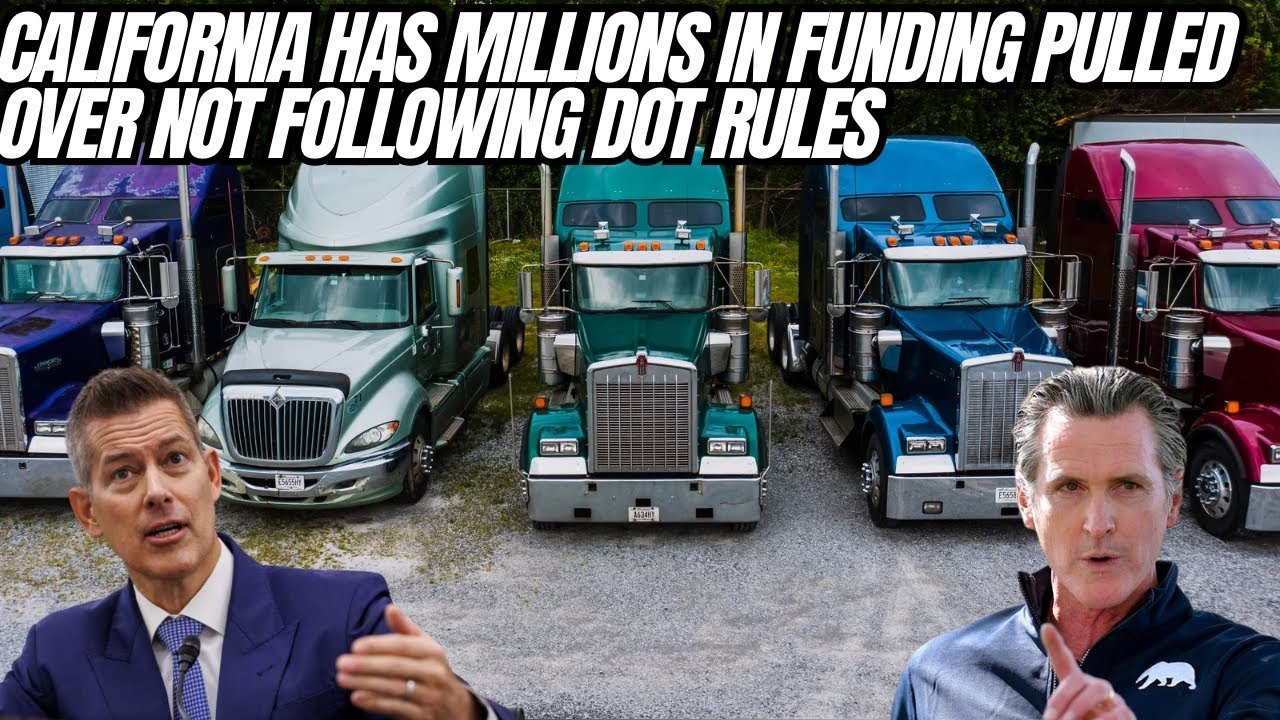
California just ran headfirst into a federal brick wall. The U.S. Department of Transportation says the state failed to implement English-proficiency rules for CDL testing—rules every other state adopted. Result? $40 million in federal funding withheld from California, with more on deck if they still refuse. That money props up programs and manpower that help run CHP/CARB/BAR roadside inspection checkpoints. Yanking it is like pulling the battery cable mid-pull: the lights go out fast.
Related Post



How We Got Here
Transportation Secretary Sean Duffy warned in September: adopt the updated CDL English standards in 30 days or lose funds. California didn’t move. Now DOT’s holding back $40M and signaled additional tranches (~$98M, then more) could be frozen if non-compliance continues. In the same breath, Duffy pointed to fatal crash cases and thousands of drivers flunked for English proficiency since June as the safety rationale.
You can argue politics all day, but the mechanics are simple: no federal dollars = fewer operations. And those operations include the CHP/CARB/BAR roadside smog checkpoints we’ve all seen—portable tents, scan tools, snap inspections, the whole circus.
The Email “Enforcement” Canary
Remember when CARB started emailing alleged violators instead of doing in-person stings? That looked desperate then; it looks downright unworkable now. Email notices invite due-process challenges—wrong address, spoofed domains, no chain of evidence—and courts don’t smile on “click to pay” citations. If the boots-on-the-ground money dries up, the inbox becomes their only play… and that’s not a play that wins.
What Changes Right Now
If you’re a diesel motorhome owner rolling through California or a CDL driver hopping city to city, here’s the immediate read:
- Fewer (or paused) roadside checkpoints as federal dollars stop flowing to agencies that staff and operate them.
- Enforcement drift to “paper” methods (mail/email) that are easier to contest and harder to execute legally.
- Agency pain: if California still refuses to comply, additional funding freezes start to pinch payroll and scheduling—first at the margins, then everywhere.
Why This Is Bigger Than a Paper Fight
California is famous for exporting policy. When they push, other states copy. But when they lose federal fuel, it sends the opposite signal: the enforcement model is fragile without D.C. cash. That matters for every debate on smog programs, OBD-based inspections, and field checkpoints. If the feds can flip the switch over a core CDL rule, expect copy-and-paste showdowns in other regulatory lanes.
Safety, Standards… and Reality
Let’s be adults: English proficiency for CDL holders is not a culture war wedge; it’s about reading signage, understanding orders on scene, and communicating in a crash. You can dislike D.C. leverage tactics and still admit the standard makes sense for operating 80,000-lb equipment in crowded corridors. The question isn’t “why have a standard?”—it’s “why is California the only state not implementing it?”
If You’re On the Road This Week
Nothing here is legal advice, but if you’re running routes or trips:
- Document your stops and comms (dash cam on, time stamps saved).
- Keep paperwork tight—registration, CDL, medical card, equipment logs.
- If you get any email notice, don’t click links—verify through official agency portals or phone lines you look up yourself.
Where This Goes Next
DOT already cut the first $40M. If California shrugs again, DOT pulls more—and that’s when you’ll see staffing and special-operation budgets buckle. If California pivots fast and adopts the standards, some funds likely get restored and agencies restart normal operations. Either way, this FAFO moment is a lesson: play chicken with federal compliance cash, and somebody’s program gets totaled.
My Take
California’s been trying to stretch enforcement dollars with creative shortcuts (hello, email fines). That’s not policing; that’s a newsletter. If you want to hold drivers and shops accountable, do it in person, by the book, with evidence, and make the case in daylight. Starving field teams, then hoping inbox threats carry the load, never works—and DOT just made sure it won’t.
Sound off below—drivers, inspectors, shop owners: what are you seeing on the ground today versus a month ago? Keep it respectful, keep it factual, and as always—stay petty, my friends.