










DOT Slams the Brakes on California’s CDL Practices — What It Means for Truckers, Rates, and Road Safety
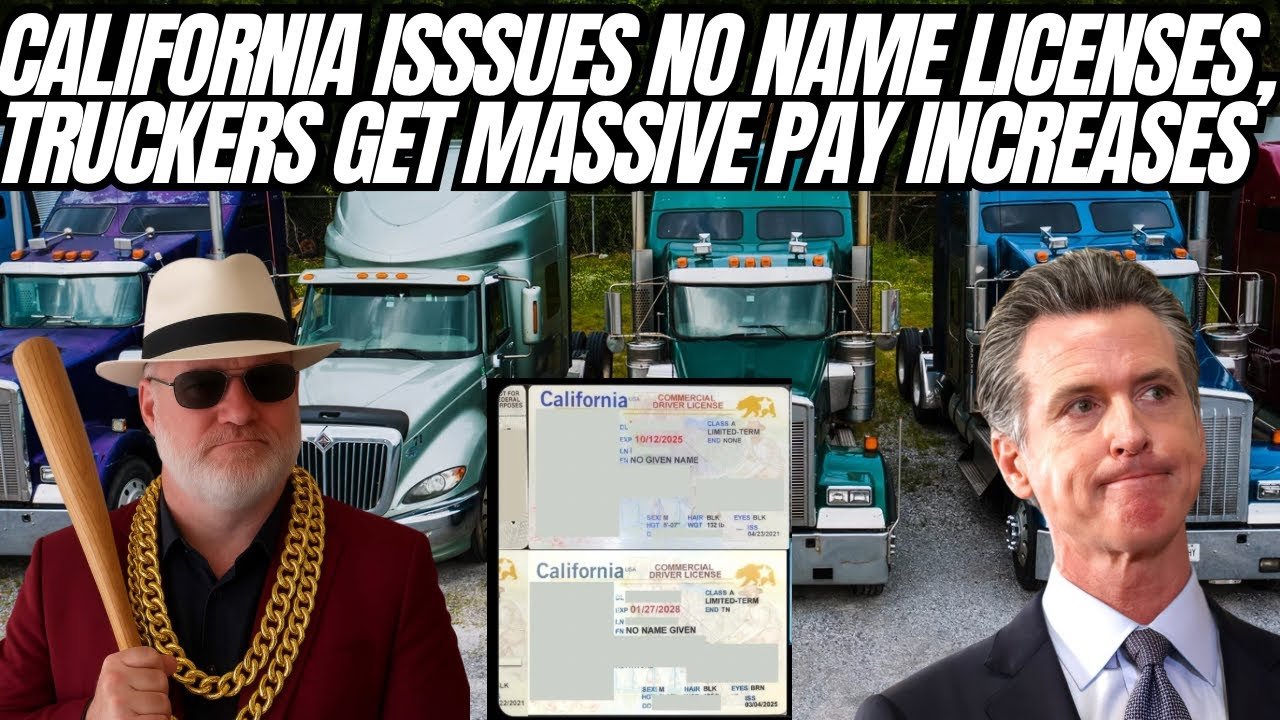
TL;DR: The U.S. Department of Transportation (DOT) has told states—starting with California—to immediately stop issuing non-domiciled CDLs unless they fully comply with federal rules. After revelations of licenses issued with inadequate documentation (even “no name given” in some cases), DOT is threatening to withhold highway funds and, if necessary, decertify state licensing programs. Expect short-term turbulence, higher rates for legitimate drivers, and tighter safety enforcement—plus a push to make the crackdown retroactive.
What triggered the crackdown?
A wave of reports alleged that California allowed serious lapses in credentialing—up to and including Real ID-marked credentials issued with missing or unverifiable identity details. In parallel, DOT says multiple states fell out of compliance on requirements like English proficiency and eligibility checks for non-domiciled commercial driver’s licenses (CDLs) (these are typically issued to certain non-U.S. residents who meet federal criteria).
Related Post




Transportation Secretary Sean Duffy made it plain: safety comes first, and DOT will not look the other way if unqualified drivers are operating 80,000-lb rigs on U.S. roads. California received the first formal letter; others are next. States will get 30 days to lay out a compliance plan—or face escalating penalties.
The enforcement ladder: how DOT plans to force compliance
DOT laid out a clear, progressive path:
- Immediate pause on issuing non-domiciled CDLs unless they’re fully rule-compliant.
- Highway funds withheld: 4% in year one if the state remains out of compliance, doubling in year two.
- Decertification: If problems persist, DOT can decertify a state’s CDL licensing program—effectively shutting off the state’s ability to issue valid commercial licenses until it fixes the process.
DOT emphasized it’s not playing politics—letters are going to both red and blue states—but California’s alleged violations are the most egregious and therefore first in line.
“Plenty of Americans want those loads” — what happens to rates?
One reason this issue blew up: labor dynamics. Some carriers, according to industry chatter, were using drivers who would accept ultra-low rates, undercutting the market. With DOT moving to cancel improperly issued credentials—and with talk the action could be retroactive—that labor pool shrinks fast.
Short-term effect:
- Capacity dips as credentials are reviewed or suspended.
- Brokers and shippers must pay market-true rates to attract qualified, domestic drivers.
- Expect upward pressure on lane rates, especially where questionable licensing was most prevalent.
Medium-term effect:
- Stabilization as compliant drivers, schools, and carriers step in.
- Legitimate operators gain pricing power and margins improve.
- Carriers with strong safety programs will win more bids as shippers re-prioritize risk mitigation.
DOT says it does not foresee a supply-chain meltdown. The agency points to available capacity among properly licensed U.S. drivers and stresses that safety outweighs theoretical cost savings from substandard credentialing.
Safety first: why the policy is non-negotiable
DOT’s stance is blunt: 40,000+ roadway deaths annually is unacceptable. If there’s one domain that’s not up for political wrangling, it’s highway safety. The department highlighted recent high-profile crashes that raised questions about training, testing, and judgment—including drivers attempting maneuvers no seasoned professional would consider.
Key safety priorities behind the crackdown:
- Verified identity and eligibility for CDL applicants.
- English proficiency sufficient to understand signage, communicate with enforcement, and follow instructions.
- Consistent, auditable standards across all states.
The takeaway: paperwork isn’t paperwork—it’s the front line of public safety.
What carriers and owner-operators should do now
For carriers:
- Audit your roster. Confirm every driver’s credentials, eligibility, and English proficiency are documented and current—especially non-domiciled CDL holders.
- Harden your onboarding. Ensure ID verification, skills testing, and recordkeeping would pass a federal audit tomorrow.
- Re-price proactively. If you’ve relied on cut-rate labor, build a model that sustains market-based driver pay while protecting margins.
- Communicate with shippers. Explain policy shifts, highlight your compliance posture, and reaffirm delivery reliability.
For owner-operators & drivers:
- Check your status early—don’t wait for a roadside surprise.
- Keep a clean, portable documentation pack: license, medical card, right-to-work docs, training certificates.
- If you’re qualified and compliant, prepare to negotiate. A tighter market should favor professional operators.
Could this get retroactive?
DOT officials indicated they’re pushing to address not just future issuances but also past ones that don’t meet the standard. That means some licenses issued months (or years) ago could face review, suspension, or revocation. It’s another reason carriers should perform internal audits now—before an enforcement action lands.
What about a shutdown or funding fights?
Reporters pressed DOT on whether a government shutdown or budget tussles could slow modernization or training pipelines. The secretary acknowledged the risk of short-term disruptions to controller training and other programs but maintained that safety-critical enforcement moves—and this CDL initiative—remain priorities. The message to states didn’t waver: comply, or expect consequences.
The bottom line
- This is real and it’s moving fast. California is first, other states are in the queue.
- Safety is the lodestar. DOT is willing to use its full toolkit—funding, decertification, and enforcement—to protect U.S. roads.
- Rates likely rise, at least near-term. With questionable licenses sidelined, compliant drivers regain leverage.
- Audit, document, and communicate. Carriers and O/Os who lean into compliance will be best positioned to capitalize on the reset.
For the vast majority of professional, law-abiding drivers, this is a tailwind: more respect for the craft, better pricing power, and safer roads to work on.