






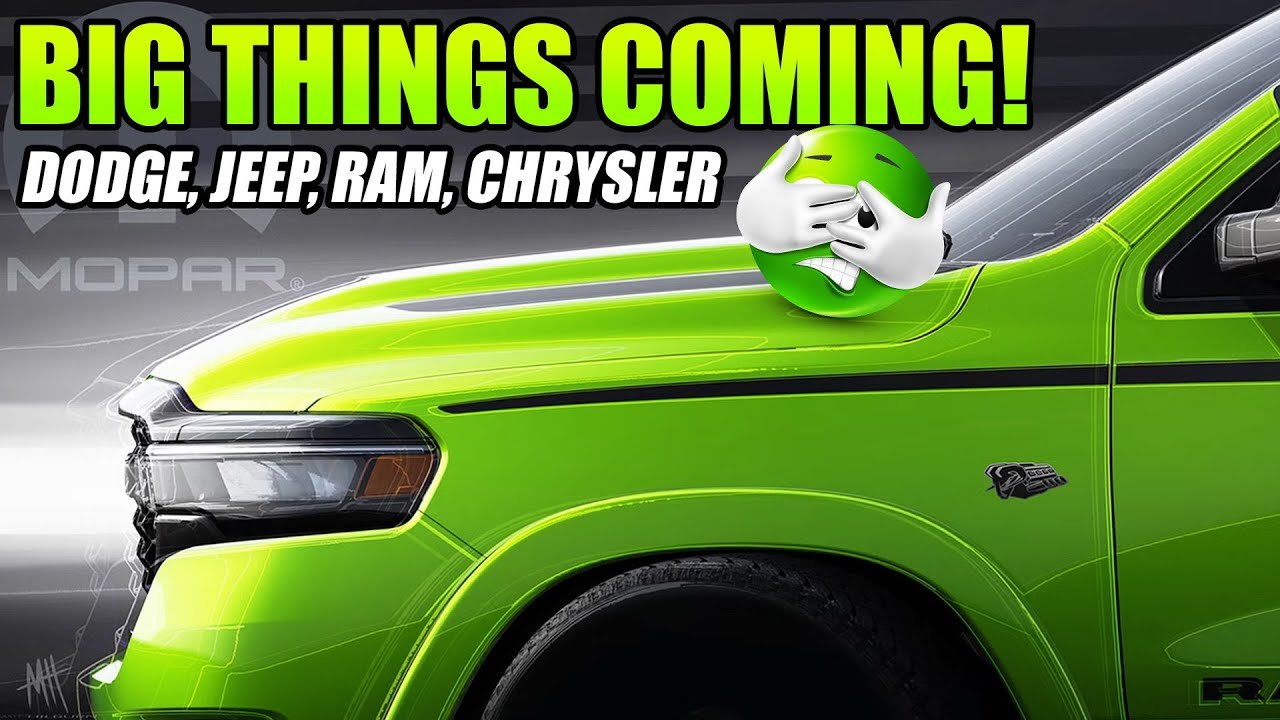
Stellantis has thrown down a massive bet on the United States. The headline—record spending across U.S. assembly plants—sounds like standard corporate bravado until you read the subtleties: increased finished-vehicle output and updated powertrains planned through 2029. That phrase is the pulse of this story. It isn’t a new logo or an appearance package. It’s the promise of mechanical change—the kind customers hear, feel, and buy.
If you follow Mopar cycles, you know announcements don’t move the needle alone. Dealers move trucks when the spec sheet hits the dopamine receptors: displacement, boost, tow, price. Investors are the same in their own way; they’ve shrugged at the press releases because they’re waiting for proof of demand—consistently, month after month. So this moment divides neatly into two paths: either Stellantis uses that investment to put desirable hardware in showrooms, or it risks exhausting the patience of the very base that built these brands.




Why that “updated powertrains” line matters
Automakers can refresh sheet metal forever, but a drivetrain update is an admission that the market wants something different. After years of turbulence—electrification pivots, supply shocks, and shifting regulations—there’s room again for internal-combustion excitement that isn’t just a six-figure halo model. The language points to a portfolio approach: multiple plants, multiple nameplates, multiple stages.
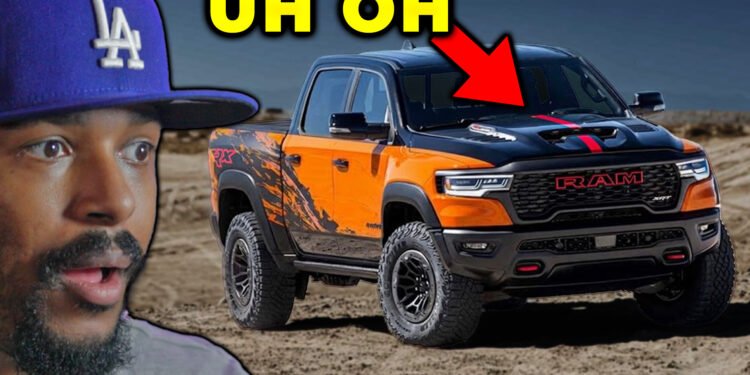
Look closely at the recent teasers and color drops. The imagery nods to heritage (think Scat Bee and Rumble Bee cues) without spelling out the engine bay. Could it be Hurricane variants wearing classic badges? Possibly. Could a 392-flavored play appear where pricing and packaging make sense? Also possible. The bigger message is simpler: Stellantis is telling its U.S. audience it plans to make powertrain decisions here, for this market, on a cadence that runs for the rest of the decade.
SEMA is the natural stage
If you were going to prove that message, you wouldn’t dribble it out on a random Tuesday. You’d bring cameras, enthusiasts, and the entire aftermarket under one roof and let the products speak. SEMA is where Mopar has historically shifted from talk to touch—concepts you can sit in, parts catalogs you can order from, and drivetrains you can hear across the hall. That doesn’t guarantee every wish appears overnight, but it sets the expectation: more than paint. A color show without mechanical substance would feel out of tune with the moment.
Trucks first, because trucks fix volume
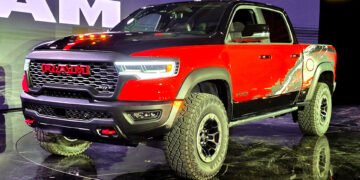
One reality hasn’t changed: full-size pickups and performance-leaning trims keep lights on. A strategically priced, attainable performance truck bridges the gap between six-figure desert monsters and the mainstream trims that need fresh energy. If Stellantis is serious about output rising 50 percent, the ladder has to include an everyday hero—something brawny, loud enough, and priced to move. Hints of western-themed teasers, bright nostalgic colors, and bee iconography all point toward a package that sells on emotion as much as spec. Slot that beneath the ultra-expensive flagships, and you suddenly have a lineup that pulls shoppers up the staircase instead of leaving them staring at a single poster car.
“Why don’t they just say it?”—because they can’t (yet)
There’s also the boring part that matters: disclosure. When a drivetrain reveal can move a stock price, it becomes material non-public information. That means tight timing, formal press processes, and radio silence until the release, webcast, and filings hit. If recent weeks felt quiet, that may be discipline, not drift. The right move is often one big, clean reveal—exactly the sort of moment a SEMA stage is built for.
U.S. jobs, Canadian frustration—and what it signals
Another thread in the investment narrative is production geography. Shifting work to the U.S. sparks predictable anger north of the border, but from a product lens it signals commitment: this company intends to win or lose on American driveways. That’s not a small thing. It influences supplier footprints, shipping times, and the internal politics that decide which regions get the good stuff first.
What turns the headline into a comeback
Three ingredients matter now:
- Mechanical credibility: Engines and calibrations that feel special—whether it’s a V8 return in targeted places or Hurricane performance that earns the badge it wears.
- Price discipline: Not everything needs to be a limited-run collectible. The volume trims must be tempting in the mid-$50Ks to $70Ks where real buyers actually shop.
- Cadence: Nineteen refreshes only mean something if they arrive steadily, with parts availability and dealer behavior that doesn’t poison the experience.
Deliver those, and Wall Street’s flat line becomes a staircase. Miss them, and the most loyal Mopar faithful will start test-driving elsewhere.
The read, right now
This is the most promising Mopar moment in years because it finally ties money to metal: factories, output, and powertrains with a date range that runs to 2029. The community isn’t asking for miracles; it’s asking for evidence. A 392-flavored truck that normal humans can afford. A clear SRT identity that builds beyond a couple of limited Durango’s. A Charger/Challenger roadmap that reconciles modern constraints with the thing that made these nameplates legends in the first place—character.
Give us that at SEMA and the narrative flips: not “Can Stellantis recover?” but “Which color are you ordering, and when does your allocation land?”