










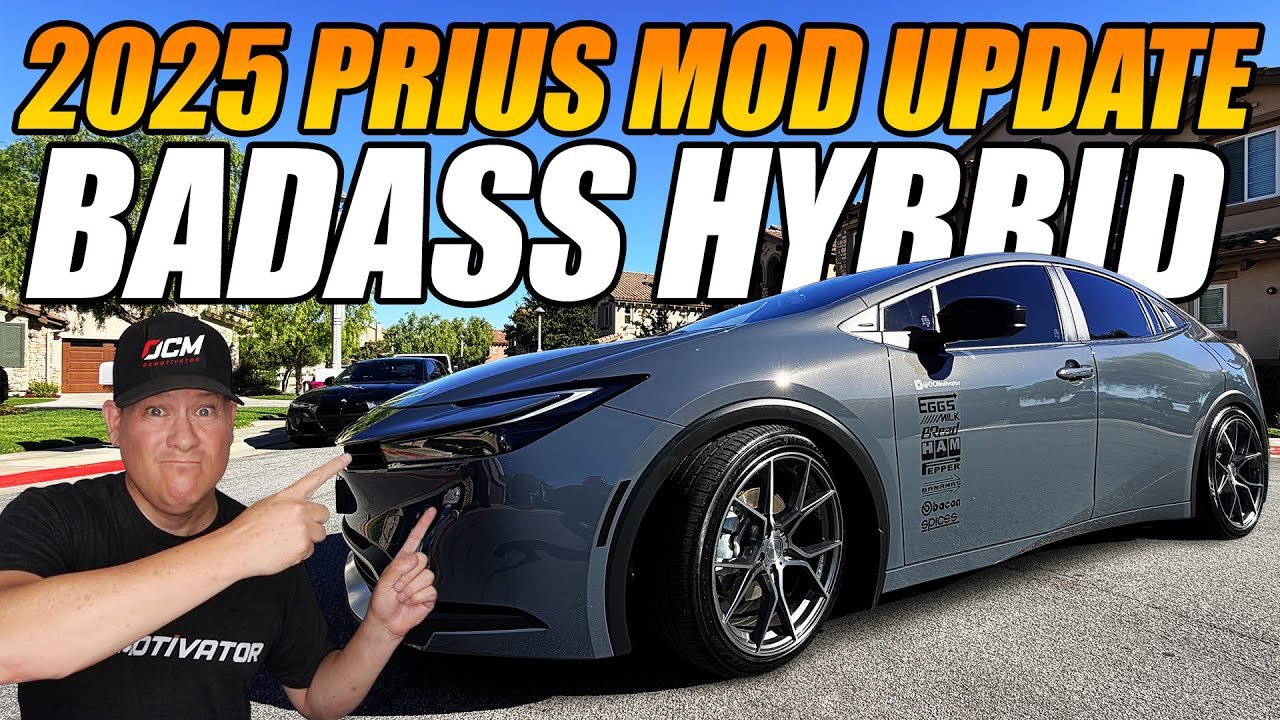
Project Prius Update: Blacked-Out Look, Real-World Savings
The daily driver experiment is paying off. After a little over two months and nearly 4,000 miles, the plug-in Prius build has done exactly what it was bought to do: save fuel, protect the weekend toy from mileage and wear, and still look sharp rolling through town. Thanks to steady content, the car note—about $325/month—has effectively covered itself, and gas stops have been rare (three or four fill-ups so far).
Why this Prius works as a daily
Plug it in at home, wake up with ~38–40 miles of EV range, and most in-town days burn zero gasoline. On longer work trips—cruising Southern California counties or an occasional Vegas run—the hybrid side stretches the tank. The result is a wallet-friendly commuter that keeps the Challenger in the garage until it’s time for fun, not errands.



Small damage, big protection
A rock strike left a minor ding, but paint-protection film (PPF) took the brunt. Peel the film and what’s left should be a small mark that’s easy to live with—or fix later. It’s a reminder that PPF isn’t just for exotics; it earns its keep on commuters too.
The blackout refresh (today’s mods)
This update focused on quick, reversible changes to clean up the look:
- Front emblem delete/replace: Swapped the blue Toyota badge for a black emblem (sourced via Etsy—cheaper and easier than hunting OEM kits). Warm the area in the sun, use a plastic trim tool wrapped in cloth or Tessa tape, lift gently, then remove residual adhesive with a safe cleaner before applying the new piece.
- Smoked side markers & rear markers: Pre-cut tint overlays went on all four corners to tie the theme together. A squeegee helps, but careful prep with window cleaner and lint-free towels works in a pinch.
The car now carries a cohesive black-on-white (and black-on-Sublime-wheel) vibe without permanent alterations—ideal for a lease or for owners who want the option to revert.
Calipers: style vs. sense
Yes, big brake kits exist for the Prius, and yes, they’d look cool behind aftermarket wheels. But for a commuter that isn’t seeing track time, that money is better spent elsewhere. Clip-on caliper covers in red were considered, then shelved to avoid the “plastic accessory” look. If anything, a future satin-black caliper paint would match the theme without pretending to be something it’s not.
The grille and trim—what’s next
Two finishing touches remain on the list:
- Wrap the front “mustache” in black to eliminate the last brightwork up front.
- Optional rear garnish wrap—but the current contrast across the hatch actually works, so that may stay.
Both are quick shop jobs when schedule allows, keeping with the “reversible, affordable, daily-friendly” plan.
Lease logic—and why keeping it makes sense
Original plan: mod lightly, keep take-off parts, return to stock at lease end in a single day. Reality: the car is earning its keep and saving the performance car from daily duty. That argues for buying it out and keeping a reliable, efficient runabout long-term—especially when the mods are reversible and low-maintenance.
DIY notes & product tips from the build
- Heat is your friend for emblem removal—sun-warmed plastic releases cleaner than cold plastic.
- A plastic pry tool wrapped in cloth prevents scratches; avoid metal blades on painted surfaces.
- For adhesive cleanup, a purpose-made bug/tar remover or panel-safe solvent helps—test first, go slow.
- Pre-cut tint overlays are the easiest route for side markers; clean thoroughly and take your time to avoid trapped dust.
The takeaway
As a content-funded commuter, this Prius nails the assignment. It’s inexpensive to run, fast to clean, and easy to personalize without locking into permanent changes. The blackouts sharpen the look, the PPF already paid dividends, and the daily EV miles keep fuel spending near zero on local days. It’s not a donut machine—and that’s the point. It saves the hooning for the car built for it while handling the grind with style.