









EPA and White House to Standardize U.S. Fuel — Ethanol May Be on the Way Out
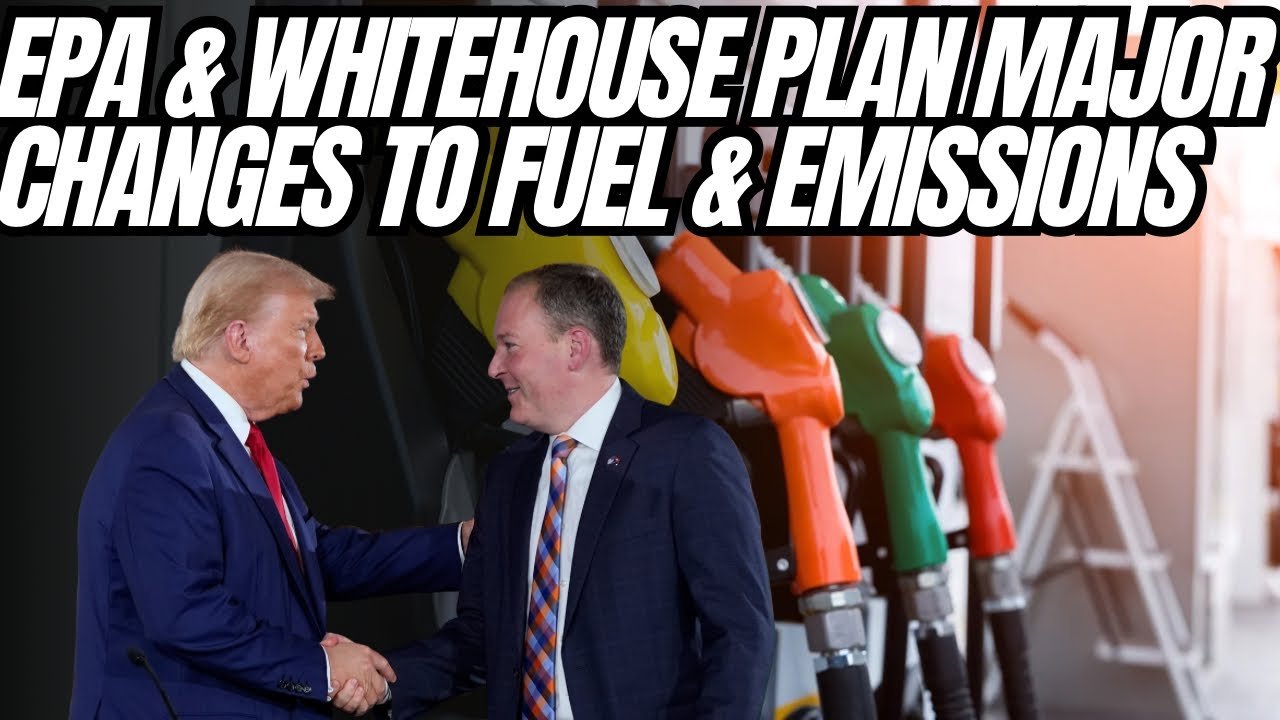
The White House and the Environmental Protection Agency (EPA) are reportedly preparing to roll out a major shift in national fuel policy — one that could standardize gasoline nationwide and eliminate ethanol-blended E10 fuel within months.




According to sources cited by Auto Intel Daily, the administration is expected to announce executive orders and rule changes aimed at simplifying America’s fragmented fuel system. For decades, states like California have enforced their own unique “environmentally friendly” blends, driving up costs and complicating production. That could soon end.
“If the EPA sets one federal standard, it could eliminate E10 gasoline overnight,” TK explained. “It would probably take 60 to 90 days for refineries to transition, but the result would likely be pure gasoline across the board.”
The move follows growing frustration with state-specific blends that have inflated gas prices and done little to reduce emissions. Critics of ethanol point to the reduced fuel economy it causes — forcing drivers to buy more gas overall, which ironically increases total emissions.
By returning to pure gasoline, consumers could see better mileage and more consistent prices, while ethanol (E85) would remain as an optional alternative for enthusiasts or flex-fuel users.
The same wave of policy changes could also include revoking the Obama-era “endangerment finding”, which classified greenhouse gases as pollutants under the Clean Air Act. Removing that designation would effectively reset decades of EPA emissions policy and free automakers from strict CO₂ limits tied to vehicle compliance.
“We’re only months into this administration, and we’re already seeing a return to common-sense energy policy,” TK said. “If you burn less fuel and travel farther, that’s better for everyone — and for the environment.”
While the move is expected to face legal challenges from California and environmental groups, insiders believe the Supreme Court would ultimately uphold the new federal standard. If enacted, the U.S. could soon see the end of state-specific fuel formulas — and a nationwide return to traditional gasoline.