









Shutdown Strains U.S. Air Travel as DOT Targets CDL Abuse — and Hints at Legal Exposure for States
Lede: Transportation Secretary Shawn Duffy says the federal shutdown is already rippling through an understaffed air traffic control system, citing a controller no-show at Hollywood Burbank Airport that forced delays. In parallel, DOT is tightening enforcement on states that issued commercial driver’s licenses to ineligible applicants—warning that officials could face consequences if unlawful licensing contributes to deadly crashes.
Airspace on a Tightrope
The U.S. is short roughly 2,000 air traffic controllers, according to Duffy, with many facilities leaning on six-day workweeks and overtime just to cover shifts. Training replacements isn’t quick: new hires must complete classroom instruction and then a year to two-and-a-half of on-the-job certification before they’re fully qualified. Any long shutdown slows that pipeline, amplifying today’s staffing gaps into tomorrow’s schedule disruptions.




That fragility was on display when Hollywood Burbank Airport operated for hours without any controllers on duty, forcing flow restrictions and delays. DOT says it will always slow or halt traffic rather than compromise safety—but travelers should expect more holds, longer taxi times, and pop-up ground delays if staffing falters elsewhere.
What this means for you
- Expect more delays during peaks and in busy airspace if the shutdown persists.
- Training bottlenecks now can depress capacity months from today.
- Controllers can earn strong wages (top-tier roles can exceed six figures with overtime), but the pipeline can’t be surged overnight.
Drugged Driving Is Back in the Spotlight
Duffy highlighted a recent finding that roughly 42% of drivers killed in crashes tested positive for THC. Unlike alcohol, there’s no widely deployed, court-proven field test to determine real-time marijuana impairment. That evidentiary gap complicates roadside enforcement just as cultural acceptance rises.
DOT’s stance: the nation spent decades reducing alcohol-related fatalities; a similar effort is now needed for drug impairment—public messaging, technology, and laws that keep up with modern cannabinoids and potency.
Key problem: THC can remain detectable long after impairment subsides, making simple presence a poor proxy for fitness to drive. Expect DOT to nudge research and standards toward actionable, time-sensitive impairment testing.
CDL Integrity: From Guidance to Teeth
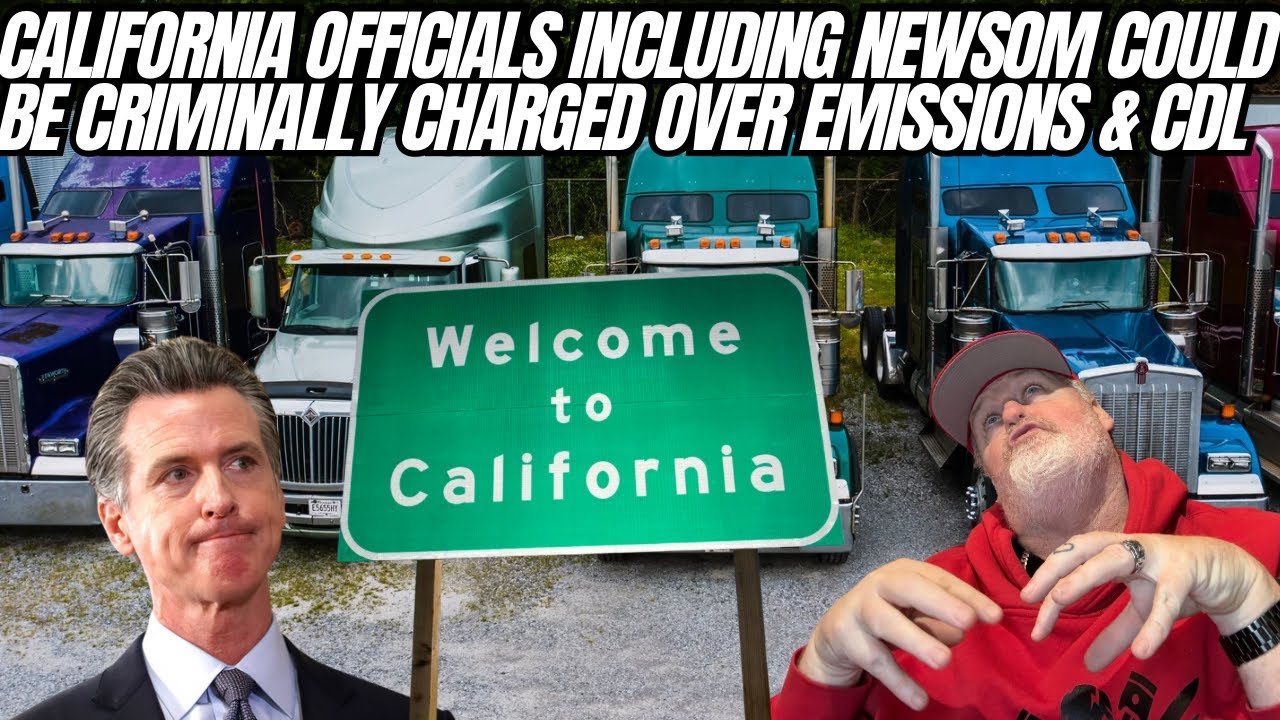
Beyond aviation, DOT is moving aggressively against fraud and abuse in commercial driver’s licensing. Federal rules require legal presence, English proficiency, and skills validation. Yet, according to Duffy, some states issued CDLs to drivers who didn’t meet those criteria. The department has warned it will withhold federal funds or even revoke a state’s authority to issue CDLs if noncompliance continues.
California—labeled the “worst offender” by Duffy—has begun auditing licenses and tightening processes. Other states have paused questionable issuances, suspended licenses pending review, or called drivers back in for retesting.
Why this matters
- Safety: Underqualified drivers operating heavy trucks raise crash severity risks.
- Fairness: Illegally licensed or under-tested drivers can undercut compliant fleets on price, distorting the market.
- Liability: If an unlawfully licensed driver causes a fatal crash, expect litigation—and, potentially, prosecutorial interest.
Could Officials Face Legal Exposure?
Pressed on accountability when improper licensing leads to deadly outcomes, Duffy didn’t rule out legal exposure for responsible officials. While DOT’s first lever is administrative—funding and program authority—his comments signal a willingness to coordinate with prosecutors if state inaction flouts federal law and results in harm.
That’s an unusual warning shot. Even if prosecutions remain rare, the message is clear: clean up licensing programs now or risk financial and legal consequences later.
The Politics Surrounding the Shutdown
Duffy framed the shutdown’s aviation impacts as a product of congressional deadlock, stressing that controllers and safety personnel want to work but can’t ignore paycheck uncertainty. Regardless of blame, the operational reality is the same: less resilience in a system that already runs hot, with little margin for staffing shocks.
What to Watch Next
- Shutdown duration: The longer it lasts, the steeper the training backlog and the wider the schedule ripple effects for airlines.
- CDL enforcement follow-through: Will DOT actually pull funds or strip issuing authority from states that backslide? Watch California’s audits for precedent.
- Impairment standards: Movement toward reliable THC impairment tests (not just presence) that police can deploy roadside.
- Controller hiring & retention: Post-shutdown, does the FAA accelerate academy throughput and local certification to rebuild staffing cushions?
Bottom Line
America’s transportation system is experiencing two simultaneous stress tests: a shutdown that hobbles an already thin controller corps, and a crackdown on CDL integrity that may reshape parts of the trucking labor market. DOT is signaling zero tolerance on safety shortcuts—on the runway, on the highway, and in the licensing office—and hinting that, if warnings aren’t heeded, accountability won’t stop at the front desk.