











You want the best deal. I’m here to tell you how to get it.
Alright, let’s cut the fluff and get practical. You need a new vehicle, and timing matters more than most people admit, so December is widely regarded as the best time to buy a car. In short, the end of the year compresses incentives, inventory pressure, and holiday distractions into one clear advantage for buyers. First, dealers face stacked monthly, quarterly, and annual targets that change their behavior. Next, model‑year changeovers leave lots with leftover current‑year cars that dealers want gone. Finally, fewer shoppers during the holidays mean more attention and negotiating power for serious buyers. Therefore, if you arrive prepared — with research, financing, and patience — you can often secure a deal that would be impossible at other times of year. Read on for the three core reasons this window matters, and how to use it to your advantage.
Reason #1: The Quota‑Crushing Frenzy
First, understand how dealership economics drive discounts, because numbers rule the lot. Sales teams chase monthly commissions, quarterly bonuses, and especially year‑end payouts, so the pressure compounds in December. As a result, dealerships often prioritize volume over margin late in the month, which can create unusually aggressive pricing and factory incentives. For example, a dealer one or two cars shy of a manufacturer bonus may accept a thinner profit on your sale to unlock a larger payout, so your leverage grows significantly. Moreover, sales managers and general managers get evaluated on annual totals, and they push hard to move inventory before January resets quotas. Consequently, you can negotiate against those incentive structures instead of merely arguing over sticker price. In practice, that means patient, informed buyers who present a fair offer can often capture discounts that disappear once the calendar flips. Finally, arrive prepared and keep your timeline flexible to maximize this quota‑driven window.
Reason #2: Out With the Old, In With the New — best time to buy a car
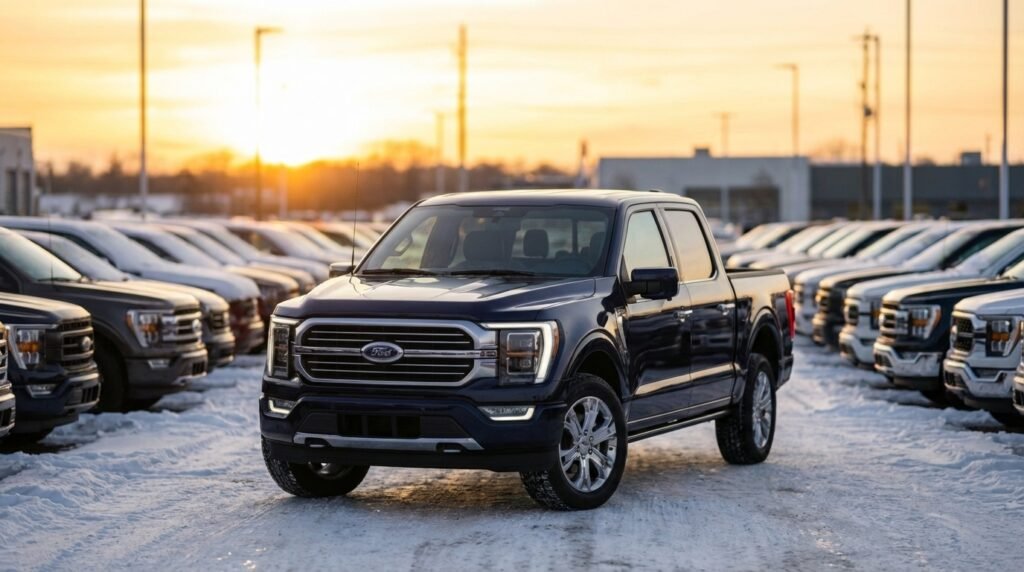
Next, consider inventory dynamics because model‑year changeovers create real opportunities for shoppers. New-model arrivals typically begin in late summer and fall, and by December many lots still hold prior‑year units that dealers want to clear. Therefore, dealers face floorplan interest and carrying costs on every unsold vehicle, which increases the longer a car sits. Consequently, moving older inventory reduces expenses and refreshes the showroom for incoming models. Importantly, many model‑year changes are cosmetic or minimal, so the outgoing vehicle remains functionally identical to the new one. As a result, you can buy a brand‑new car with full warranty and savings compared with paying a premium for a minor badge update. Moreover, dealers often bundle incentives, rebates, and dealer discounts on these outgoing units in December, so savvy buyers can stack offers and save substantially without sacrificing a true new‑car experience.




Reason #3: Holiday Distractions and Fierce Competition
Finally, factor in human behavior since the holidays change who shows up at the dealership. Many shoppers are busy with travel, gift shopping, and family, so foot traffic typically drops in late December and staff compete harder for each serious buyer. Consequently, when you walk in during a quieter period you get more attention from salespeople and managers, and they often respond faster to a firm, well‑prepared offer. Additionally, the days between Christmas and New Year’s Eve are widely cited by industry sources as especially favorable for buyers because dealers combine end‑of‑month urgency with year‑end targets. Therefore, if you can visit during that window and have financing and trade‑in details in order, you stand a good chance of closing a deal quickly and on advantageous terms. Finally, aim to be decisive yet fair: strong leverage works best when you move confidently and avoid drawn‑out haggling that kills momentum.
The Bottom Line
Listen: buying a car is a major decision, so timing and preparation matter more than theatrics. Overall, December creates a near‑perfect buyer’s market because quotas, leftover inventory, and holiday‑reduced competition line up at year‑end. That said, remember the caveats — supply constraints or extremely hot models can limit discounts, and occasional advertised year‑end sales earlier in the month might beat a weak local offer at month’s end. Therefore, do your homework: research market prices, get financing pre‑approved, and know the exact model and options you want. In addition, check incentives across nearby dealers and be ready to act in the final days of December if the numbers look right. Finally, use this insider knowledge to walk into the dealership prepared, confident, and ready to negotiate a deal you likely couldn’t get any other time of year. Sources: CarPro, SCCU, Car and Driver.