










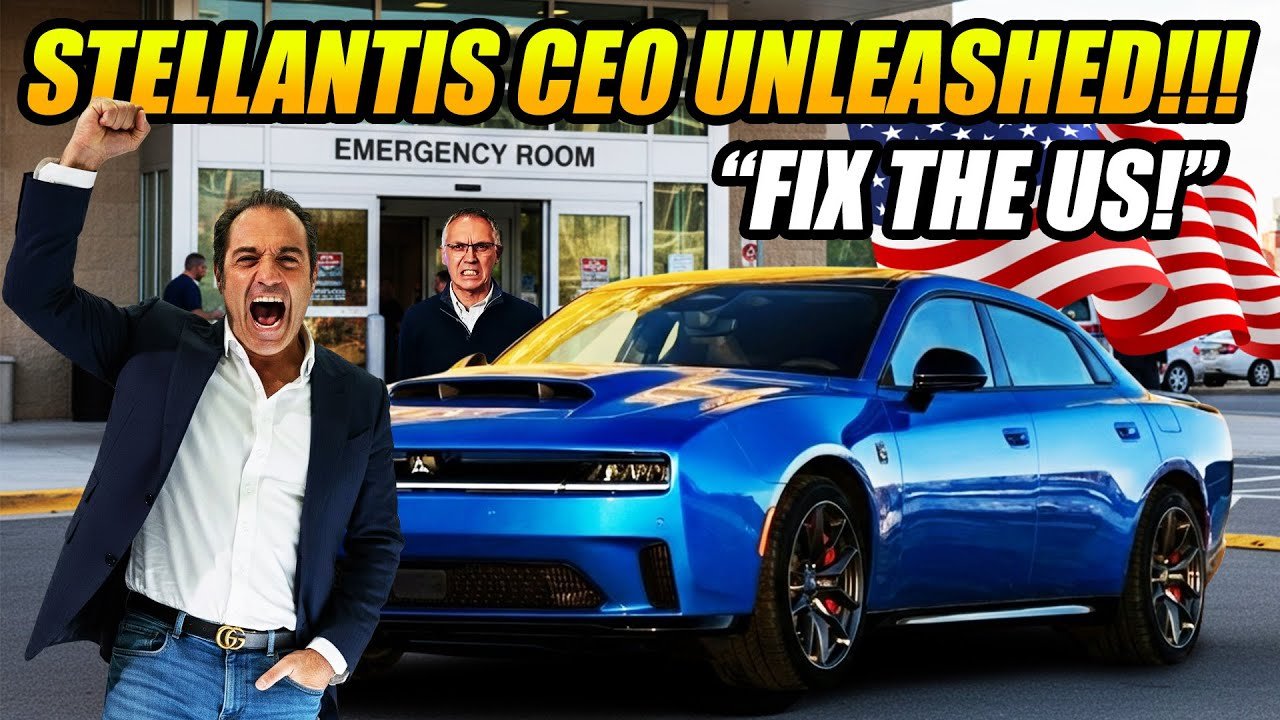
A massive shift is happening right now within the leadership at Stellantis. Specifically, a new report highlights an “emergency room” approach to fixing the company’s struggling North American brands. The Stellantis CEO and regional leadership have received a new directive. They must prioritize selling cars over maintaining high profit margins. Consequently, the strategy aims to recapture lost market share immediately.
This news represents a complete reversal of the previous operational style. Previously, the company focused intensely on cost-cutting and financial metrics under Carlos Tavares. However, those days appear to be over. Now, the gloves are coming off. Antonio Filosa, the current head of the Jeep brand, reportedly faces no financial restraints. He avoids strict performance metrics regarding profit. Instead, he can do whatever is necessary to grow market share. As a result, we are witnessing a company preparing to crush the competition.
The End of Financial Restraints
Most publicly traded companies live under strict financial guidance. For example, Ford and GM must answer to shareholders regarding quarterly profit margins. In contrast, the bosses at Stellantis have seemingly given the green light to ignore these constraints temporarily. This includes the board of directors, the Agnelli family, and the French government. They have effectively told leadership to correct past strategic mistakes. Therefore, the focus is now entirely on straightening out the business.




This situation is comparable to a startup environment. For instance, a startup often spends money recklessly to build a customer base without worrying about immediate profit. Similarly, Stellantis is now in a position to spend aggressively. They can price vehicles aggressively. Ultimately, they need to get metal on the road. This freedom allows for daring moves that were previously impossible under the old regime.
Aggressive Fleet Sales Strategy
One of the primary tactics in this new strategy involves a return to US fleet sales. Historically, automakers used sales to rental companies to offload inventory. These represent lower-margin sales. They do not generate the same profit as retail sales to individual customers. However, they serve a vital purpose. They pad sales figures and move inventory quickly. Consequently, Filosa’s tactics will include resorting to these methods to boost numbers immediately.
There is also a secondary benefit to this approach. Visibility is crucial. For example, an industry source noted that fleet sales help maintain visibility on the road. If nobody drives a particular model, retail buyers will not know it exists without expensive advertising. Conversely, if customers see a car on the road as a rental, they might consider buying one. Therefore, getting these cars into rental fleets acts as a form of marketing. It puts the product directly in front of potential buyers.
Reviving Dodge and Saving Chrysler
While some speculation exists about cutting brands, the focus in the US is on revival. Specifically, the report indicates that Dodge is going to step up significantly. Dodge used to lead the market alongside Ram and Jeep. It made the company cool. Now, Dodge will be “supercharged” under this new directive. We may see cars hit the market that the company will never make money on. However, these vehicles will exist solely to drive excitement and sales volume.
Meanwhile, the Chrysler brand presents a massive opportunity. Many enthusiasts worry that Chrysler might disappear. However, the brand is actually the perfect vessel for a new strategy. They need to launch something under $30,000. Between Chrysler and Dodge, the company must shoehorn in affordable vehicles. Overall, the market desperately needs cars in this price range.
Reviving Dodge is a certainty. Furthermore, keeping Chrysler alive allows Stellantis to slide in “boring but cheap” cars. These vehicles fill dealership lots. Consequently, they keep money rolling in for dealers. This keeps service departments active and dealerships in business. While enthusiasts may not love boring cars, these products are essential. Ultimately, they build the foundation that allows the company to sell more expensive, exciting vehicles.
Pricing, Incentives, and the Future
The immediate future will likely involve aggressive pricing adjustments. Currently, new models like the twin-turbo inline-six Charger are hitting the market. However, pricing is a major hurdle. If these cars do not sell immediately, the company will have to react. The goal is to hit sales targets, not profit targets. Therefore, if a $70,000 car sits on the lot, incentives will come.
Leadership previously stated they would not offer incentives. However, the situation has changed. Filosa needs to get cars on the road. If buyers do not line up for the new Charger at full price, the price will drop. The company does not have bean counters stopping them anymore. As a result, we can expect pretty aggressive things to come to market. Eventually, prices will likely fall into our laps.
Moreover, this strategy opens the door for the return of the “cool factor.” When a company stops worrying about profit margins, daring products step in. We could see the SRT spirit return to more vehicles. Also, we will see cool stuff priced better. They do not have to make money on every single unit. Instead, they just need to turn the company around.
Investing in the US Market
Stellantis is backing this strategy with cold hard cash. For example, reports indicate a huge $13 billion investment is coming. This money aims to bring production back to the US and focus on the American market. The company realizes it must succeed here. Otherwise, they are in serious trouble globally. Simply put, they cannot exit the US and remain a viable company.
Fortunately, Stellantis has a major advantage. They have billions in cash reserves. Unlike some competitors, they have not taken on massive debt. This financial cushion means they can go a long way without making a profit. They can afford to bleed money in the short term to fix the business. Overall, this is good news for us consumers.
Overall, Antonio Filosa has seemingly hit the lottery with this assignment. He gets to do the fun stuff. He can go “hog wild” to stop the bleeding and reverse the cost-cutting era. We still have to trudge through some current product launches. However, the future looks brighter. They are on the right track to fixing the company in America. In the meantime, keep an eye out for those incentives.