






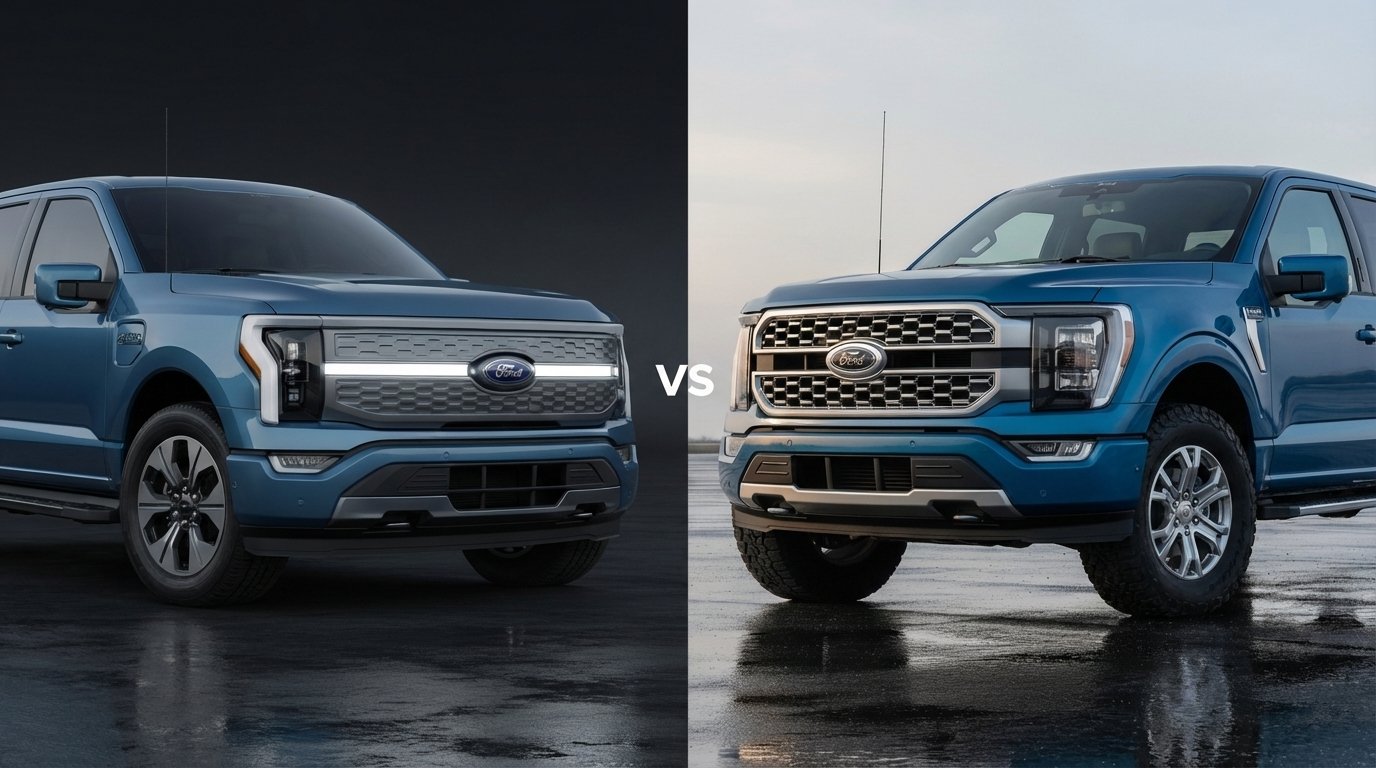

For years people heard the future is electric, and automakers promised inevitability. Ford went all-in on that single, battery-powered vision, and it now faces Ford EV losses that matter to every buyer. Investors and customers finally see the bill, and the company’s numbers reveal a severe setback. Consequently, the forced march toward electric vehicles looks like a costly misread of the market. Yet this story is not simply about failure; it is about a return to consumer choice. Many buyers want options, and Ford’s pivot suggests the company agrees. Moreover, engines powered by gas, hybrids, and battery packs can coexist to serve varied needs. Ultimately, this shift puts freedom back into the driver’s hands instead of a single ideology. As a result, your vehicle decisions may soon feel less like mandates and more like genuine options.
The Financial Bloodbath: Unpacking Ford EV losses
The company’s Model e unit has become a costly drain on profits, and the scale forced a strategy rethink. Analysts and executives use blunt language because Ford reported massive write-downs and ongoing losses. Therefore, executives had to consider how to stop the bleeding and protect core operations. High fixed costs and slow consumer uptake made the division especially vulnerable. Consequently, leadership began to reallocate resources toward more profitable and in-demand vehicles. Meanwhile, alternative powertrains like hybrids showed stronger margins and steadier sales. Rather than double down on expensive large EVs, the company started reevaluating timelines and investments. In short, the financial pressure explains the abrupt shift and the renewed emphasis on choice. Ultimately, that pressure benefits buyers who want options instead of a single corporate mandate.
In 2025 Ford’s own filings projected Model e would lose about $5.5 billion, and the admission stunned observers. That figure comes from company reports rather than outside speculation, so readers should take it seriously. Moreover, the losses extend to per-vehicle economics, where the shortfall looks even worse. For each electric vehicle sold, executives estimated losses near $37,000, a brutal gap to close. High battery costs and underused factories explain much of that deficit, and they drove the math. As a result, the rest of Ford had to cover expenses to keep the company stable. Consequently, managers delayed projects and froze some development to limit further damage. Still, engineers and workers continue the hard work of adapting platforms and cutting costs. Ultimately, reducing that per-vehicle loss became central to the new corporate plan.


The Roar of a Different Engine: Hybrids and Gas to the Rescue
While Model e was losing money, Ford’s other divisions delivered strong, profitable results that changed the narrative. Customers voted with purchases, and demand favored practical powertrains over expensive, heavy EVs. In fact, Ford reported hybrid sales jumped by more than 40 percent in the last year, and that surge mattered. Vehicles like the Maverick Hybrid offered excellent fuel economy without the range anxiety or high price of many EVs. Similarly, the F-150 PowerBoost Hybrid proved it could meet real-world utility demands for truck buyers. Moreover, traditional gas models remained cash cows, and Ford Blue continued generating significant profits. As a result, the company used those profits to fund experiments and absorb losses in new ventures. Therefore, executives recognized the importance of balancing innovation with what buyers actually prefer. Ultimately, hybrid and gas vehicles became core to stabilizing the business while the EV strategy reset.
A Hard Pivot: Ford’s New “Power of Choice” Strategy
Losing billions forces clarity, and Ford’s leadership responded with a public pivot toward what it calls the “power of choice.” CEO Jim Farley and his team acknowledged that an all-in EV stance had proven costly and less aligned with customer demand. Consequently, they delayed a planned three-row electric SUV and pushed back a next-generation electric truck. Those moves save development costs and buy time to rethink vehicle size, price, and utility. In addition, Farley flagged the limits of large, heavy EVs for towing and payload, citing battery weight and expense. Therefore, the company now aims to offer multiple powertrains for many models instead of forcing one option. For example, buyers can choose gas, hybrid, or electric versions of flagship models like the F-150. Moreover, focusing on smaller, affordable EVs and profitable hybrids lets Ford match vehicles to customer needs. Ultimately, the pivot reflects a pragmatic course correction rather than an ideological retreat.
What This Means For You, The Driver
This strategic shift matters to drivers because it restores genuine choice and respects varied needs and budgets. Rather than accepting a single mandated technology, you can now weigh charging convenience, range, and cost. If you have a short commute and home charging, an EV might fit; otherwise, a hybrid or gas car could make more sense. Moreover, competition across powertrains should improve features and lower prices across the board. As a result, automakers will have incentives to build better gas cars, smarter hybrids, and more affordable EVs. Ultimately, that consumer-focused competition should yield higher value for buyers and healthier margins for makers. In short, the age of one-size-fits-all mandates seems over, and the market again rewards versatility. Consequently, you get to choose the vehicle that best suits your life, not the carmaker’s agenda. Finally, this outcome shows that market realities and customer preferences still shape big corporate decisions.