





The Shot Heard ‘Round the Off-Road World
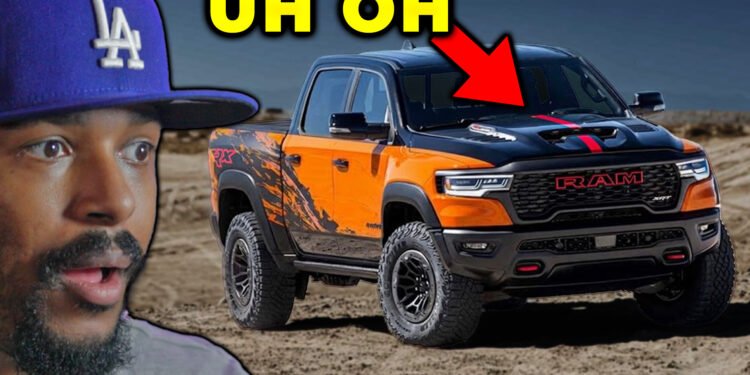
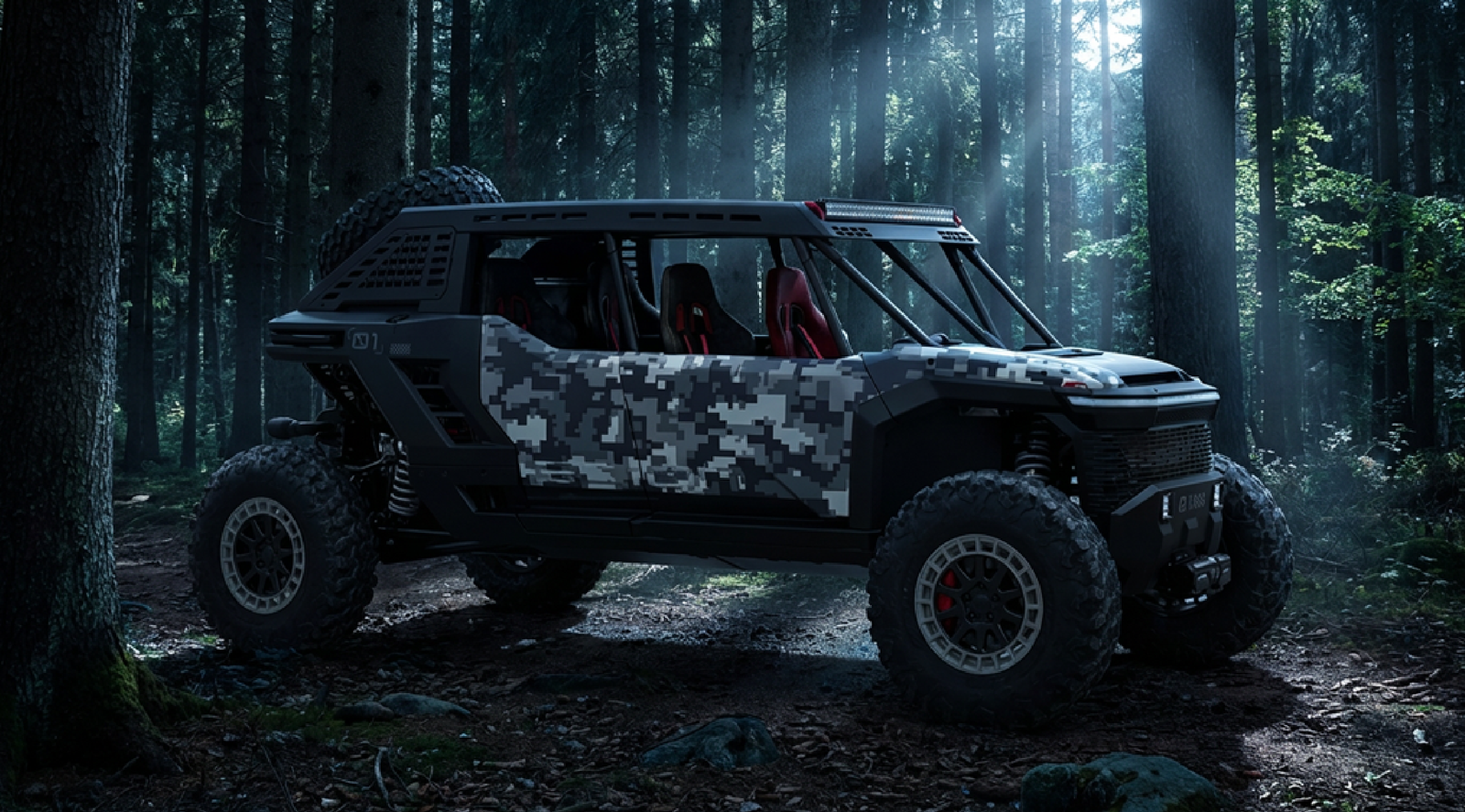
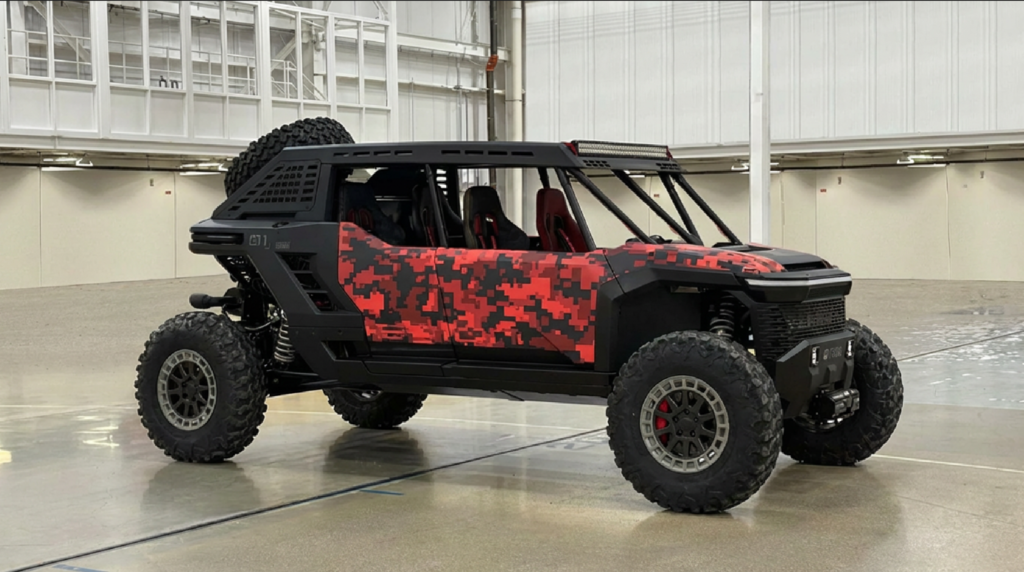
Toyota just dropped a loud hint at SEMA with the Scion 01 Concept, and the industry took notice. Meanwhile, this concept is a high-performance, hybrid-powered side-by-side that Toyota engineers say they are “strongly considering” for production. In fact, the idea has shaken the market and put a spotlight on the Ram UTV opportunity. Consequently, powersports brands now face a potential new competitor backed by legendary truck expertise. For example, Toyota can lean on decades of reliability work to accelerate development. Moreover, the Scion name is less important than the hardware beneath it. Therefore, executives at rival companies must take this seriously and reassess strategy quickly. Ultimately, the question every Ram executive should ask is simple and urgent. Where is Ram in this conversation and why have they not answered yet?
Toyota Isn’t Bluffing: This Is a Serious Threat
Toyota has a long habit of studying markets before it launches products, and that careful approach matters here. Consequently, their potential entry into UTVs should alarm established players such as Polaris and Can-Am. In addition, Toyota can leverage its existing truck programs to slash development time and increase reliability. For instance, using truck-derived powertrains and proven components would let them field a production-ready UTV faster than a startup could. Moreover, the company’s global scale gives it distribution and service advantages in many markets simultaneously. As a result, Toyota could quickly establish an ecosystem that ties trucks, accessories, and off-road vehicles together. Therefore, brands that lack a coordinated on-road and off-road portfolio may lose customer mindshare. Finally, executives at Stellantis must treat this as more than a rumor if they want to stay competitive.
The Tacoma Connection: A Masterstroke of Engineering
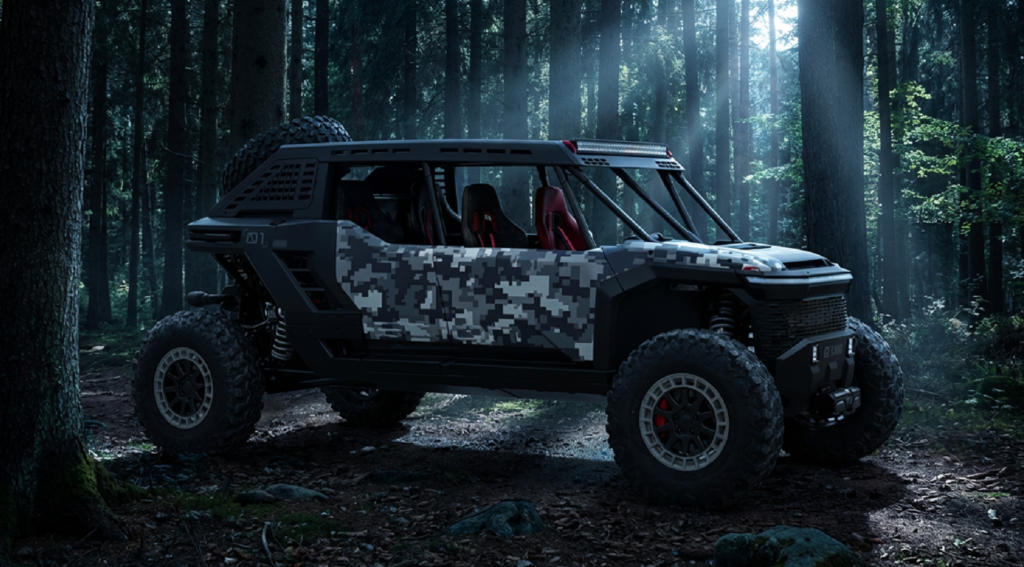
Reports indicate Toyota plans to adapt the Tacoma TRD Pro i-FORCE MAX hybrid system for its concept vehicle, a move that makes engineering sense. For example, transplanting a 326-horsepower hybrid setup into a lightweight UTV chassis would deliver truck-level torque without reinventing the powertrain. In addition, using a known, proven engine means lower risk for initial customers and dealers. Consequently, Toyota could offer strong on-trail performance alongside the reliability buyers expect from the brand. Moreover, engineers can fine-tune the drivetrain for a different vehicle weight and cooling profile. Therefore, this strategy turns existing R&D into a competitive advantage rather than starting from scratch. Ultimately, a Toyota UTV built this way could attract buyers who already trust the brand’s trucks and want a matching trail rig. As a result, the market dynamics for side-by-sides could shift quickly if Toyota follows through.




The Deafening Silence: Ram UTV Gap
Ram has built its identity around boldness, capability, and off-road imagery, yet the brand remains conspicuously quiet about powersports entries. For example, most Ram ads show trucks hauling toys to remote spots, implicitly pointing to the very market a side-by-side would serve. However, Ram owners currently must go to other brands when they buy UTVs and ATVs. As a result, Ram loses not just sales but deep customer loyalty opportunities. Moreover, allowing customers’ “play” budgets to flow to Polaris, Can-Am, or Honda weakens Ram’s ecosystem. Therefore, developing a Ram UTV would keep more owners inside the brand family and strengthen dealer revenue streams. In addition, the emotional bond Ram has built with enthusiasts could translate directly into powersports purchases. Consequently, the gap between Ram’s marketing and product lineup looks increasingly like a strategic misstep.
The Blueprint for a Ram UTV Already Exists
Ram has many of the pieces needed to build a competitive side-by-side today, and putting them together would be mostly an engineering exercise. For instance, the new Hurricane inline-six and TRX-derived suspension know-how are already in house. Moreover, Ram engineers understand high-speed off-road dynamics and component durability from truck programs. Therefore, the company could create a scalable platform that shares parts, service processes, and warranty structures with existing models. In addition, dealers could sell and maintain UTVs using current facilities, reducing launch friction. Consequently, the business case looks compelling if leadership decides to prioritize it. Finally, a Ram UTV would let the brand match Toyota’s ecosystem play and retain customers who prefer to keep their vehicles within a single badge.
Powertrain: Unleash the Hurricane
The Hurricane inline-six presents a straightforward performance option for a Ram side-by-side, and a detuned version would suit most buyers’ needs. For example, creating a “Ram TRX-S” halo model with a high-output Hurricane variant could directly target the most powerful offerings from Can-Am and Polaris. Moreover, using a truck-derived engine simplifies development and ensures robust cooling and reliability from the start. Therefore, Ram could deliver impressive horsepower and torque figures without years of bespoke engine work. In addition, this approach would let marketing tie the UTV to the Ram TRX image, creating a desirable halo effect. As a result, the powertrain conversation would shift from capability questions to brand desirability almost immediately. Ultimately, power would match the branding and give Ram a credible on-trail challenger.
Suspension: The TRX Advantage
Ram’s experience with the TRX program and advanced shocks offers a clear suspension roadmap for a competitive UTV, and that expertise matters on rough terrain. For instance, Bilstein Black Hawk e2-style adaptive damping could translate to impressive wheel control on a much lighter chassis. Moreover, engineers know how to tune travel, damping, and rebound for high-speed desert runs and tight technical trails alike. Therefore, a Ram UTV could combine long-travel geometry with rock-crawling tech such as disconnecting sway bars for extreme articulation. In addition, leveraging existing design knowledge would speed validation and homologation. Consequently, this technical advantage could become a defining feature that separates Ram from other entrants. Ultimately, suspension competence would make the vehicle feel like a true Ram product on every trail.
Branding and Design: A Natural Extension
A Ram side-by-side should visually and emotionally align with the truck lineup to maximize brand synergy and customer recognition. For example, carrying Ram’s aggressive grille cues, muscular fender flares, and “big rig” stance into a UTV would create instant visual credibility. Moreover, marketing could pair a Ram truck towing a matching UTV to show real-world utility and lifestyle fit. Therefore, dealers would have a clear cross-sell story that supports both vehicles and accessories. In addition, a unified design language would simplify parts commonality and accessory development across the portfolio. Consequently, customers would see the UTV as a genuine extension of Ram ownership rather than a separate purchase. Ultimately, strong branding would boost perception and retention for owners who value cohesive vehicle ecosystems.
It’s About the Ecosystem, Not Just the Vehicle
Successful modern launches focus on ecosystems, and automakers that offer complementary on-road and off-road products benefit most from that approach. For example, Ford’s Bronco strategy coupled multiple models with lifestyle accessories to own the conversation around weekend adventures. Similarly, Toyota’s move signals a desire to build an integrated off-road family of products. Therefore, a Ram UTV would do more than sell units; it would deepen dealer margins and customer lifetime value. In addition, it would keep maintenance, accessories, and upgrades inside the Ram network. Consequently, this strategy reduces churn and increases brand loyalty across vehicle categories. Finally, companies that only offer one piece of the experience risk losing customers to brands that can deliver the full package.
The Final Word: Build It, Ram, or Get Left in Toyota’s Dust
Toyota’s methodical approach and its apparent interest in a production UTV make this a clear strategic threat that Ram should not ignore. For example, Toyota can quickly convert truck engineering into a credible side-by-side offering if it chooses to proceed. Moreover, Ram already possesses the engines, suspension know-how, brand equity, and dealer network needed to respond effectively. Therefore, the choice now is organizational: prioritize the project or cede ground to a competitor. In addition, failing to act would allow Toyota and others to capture loyal Ram owners who prefer a single trusted brand. Consequently, Stellantis would lose not just sales but the emotional loyalty Ram has cultivated. Ultimately, the clock is ticking, and decisive leadership will determine whether Ram remains an off-road icon or becomes a spectator.
Source:
- Jacobs, C. (2025). Toyota ‘Strongly Considering’ Production UTV With Tacoma TRD Pro Powertrain. The Drive. Retrieved from https://www.thedrive.com/news/toyota-strongly-considering-production-utv-with-tacoma-trd-pro-powertrain