










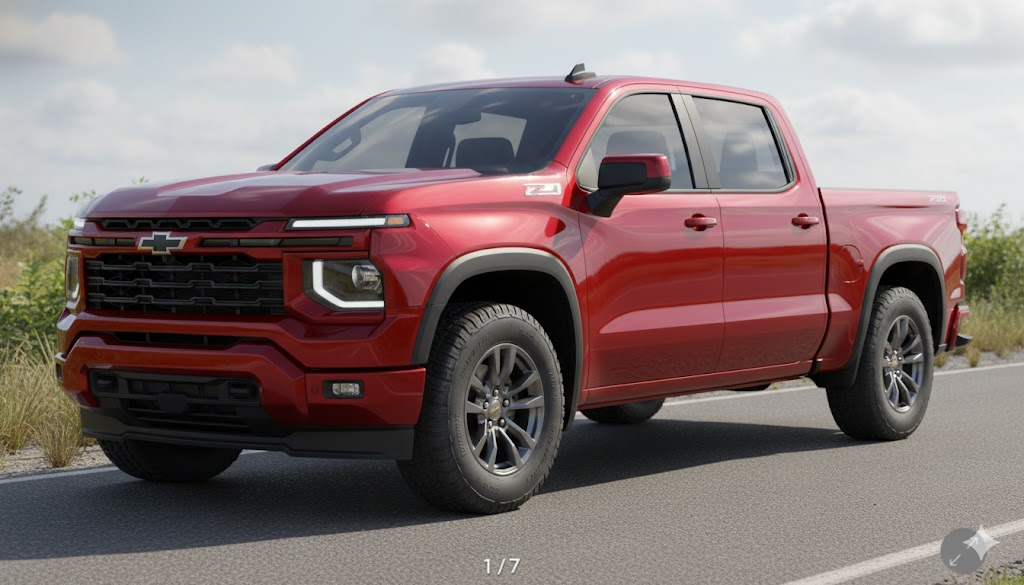
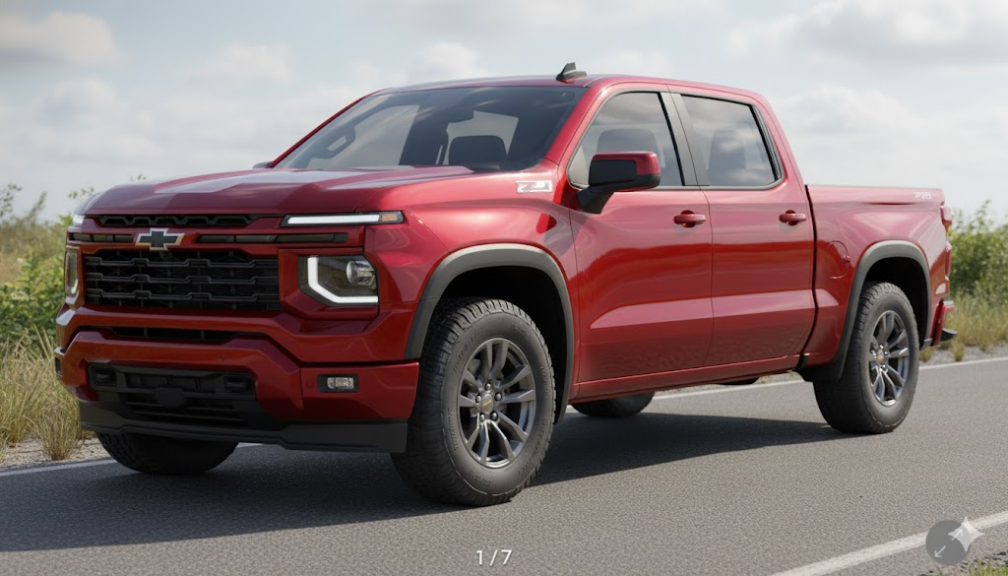
Alright, let’s cut the corporate fluff and get straight to it: the 2027 Chevy Silverado just surfaced in public patent filings. These federal documents show official line drawings, and therefore this isn’t a rumor or a fan mock-up. The U.S. Patent and Trademark Office posted the images, and as a result the truck’s new exterior design is now out in the open. Butter Da Insider highlighted the leak, and consequently the automotive world got an early, honest look. Importantly, these drawings are the design patents themselves, so they represent the truck’s intended visual language. The images show uncamouflaged angles, raw proportions, and styling cues that appear deliberate. In addition, the timing of the release matters because many automakers guard such files until a formal reveal. Ultimately, this leak gives us an unfiltered preview of Chevy’s next full-size pickup and what the brand hopes will be a bold comeback.
For years the truck wars have intensified across brands, and therefore competition shaped many recent redesigns. Ford pushed high-tech features on the F-150, while Ram focused on near-luxury cabins. Chevy kept pace with solid hardware, but public opinion about its current Silverado design remained mixed. Some buyers praised its toughness, yet others criticized awkward styling cues. Consequently, GM reportedly set out to refresh the Silverado’s identity with a more assertive look. This patent leak suggests a ground-up rethink rather than a simple facelift. Moreover, the drawings hint at a cohesive design language that aims to reconcile capability with modern aesthetics. In addition to styling, buyers will watch for tech, powertrain choices, and pricing. Ultimately, GM needs a package that appeals to traditional truck buyers and newer customers who demand modern interiors and efficiency.
The Leak: What Did the Feds Just Show Us?
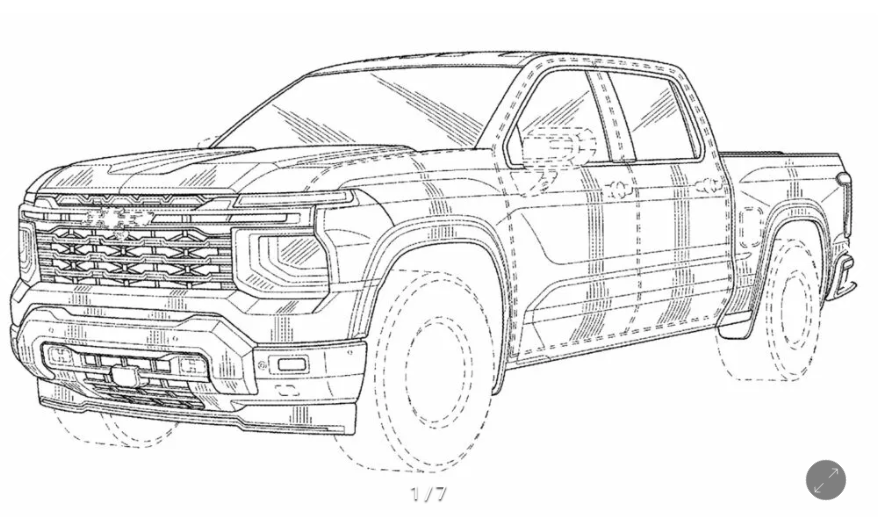
Automakers file design patents to protect their styling, and these documents include detailed line drawings from multiple angles. Usually filings remain low profile until the OEM stages a public reveal, but in this case the patent paperwork became public record. As a result, we can examine the 2027 Silverado’s planned exterior without camouflage or artist interpretation. The materials reportedly appeared after a standard government publication schedule, and consequently third parties posted the drawings online. Importantly, patent art focuses solely on appearance, so it doesn’t disclose mechanical details. Nonetheless, the visible surfacing, proportions, and lighting signatures tell a clear story about Chevy’s intended direction. In addition, the drawings indicate how designers balanced aggression and refinement. Therefore, while we can’t confirm final trims or materials, the leaked patents give a reliable preview of the truck’s visual identity and how Chevy plans to position the next Silverado.



Breaking Down the 2027 Chevy Silverado’s New Face
The front end acts like the truck’s handshake, and in this case Chevy appears to have aimed for a strong, unmistakable greeting. The patent drawings show an aggressive, modern fascia that departs from the current generation’s more awkward cues. A large grille dominates the nose, and in addition designers integrated a bold horizontal element across the upper section. This bar houses the signature Chevy bowtie and creates a unified face rather than a patchwork layout. Moreover, the grille pattern looks more complex and sculpted, adding visual depth and presence. The lower bumper seems purposeful, with functional openings and a muscular stance. In contrast to the existing side-breather styling, this approach reads cleaner and more cohesive. Overall, the new front end suggests Chevy wants the Silverado to appear both capable and contemporary at highway speeds and in town.
That Massive Grille
The grille takes center stage and therefore it becomes the truck’s most dominant visual trait. A thick, horizontal bar cuts across the upper face, and crucially it frames the Chevy badge in a way that feels integrated. This design echoes some HD Silverado cues, yet it looks sleeker and more resolved here. Below the bar the grille surface shows a textured pattern, which adds dimension and reduces the feeling of flatness. Designers appear to have moved away from the current model’s quirky side-breather vents, and consequently the overall front fascia reads more intentional. The new grille also visually widens the truck, making it feel planted. In addition, the bar above the grille seems to tie directly into slim daytime lighting, creating a single graphic signature across the front. Ultimately, the grille declares presence and confidence without resorting to gimmicks.
Split Headlights are Here to Stay
Split lighting continues as a modern trend, and Chevrolet embraces it on this next Silverado. The patent art places the main headlights lower in the bumper, and this positioning gives the front end a squinting, focused expression. Above those lamps ultra-slim LED Daytime Running Lights align with the grille bar, forming a clean upper signature. As a result, the truck appears wider and more composed head-on. Designers likely prioritized visibility and reduced glare for oncoming traffic by lowering the main beams. In addition, the two-tier arrangement supports a high-tech look without cluttering the face. The lighting layout also allows distinctive night-time graphics, which matter for brand recognition. Overall, this split configuration blends form and function while keeping the Silverado competitive with recent trendsetters in truck design.
A Body Re-Sculpted for Battle
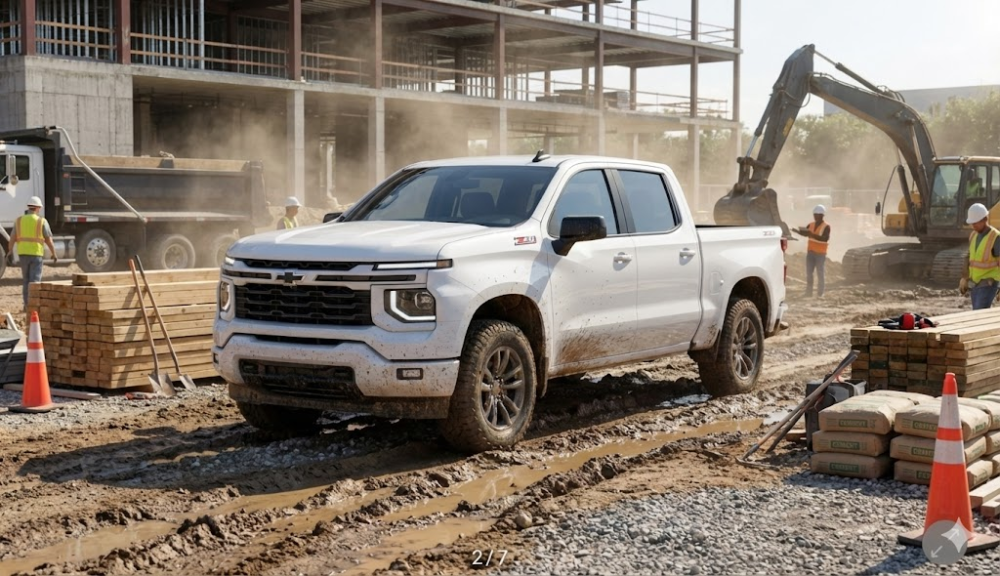
The profile and surfacing receive major changes, and therefore the Silverado looks more chiseled and athletic than before. Patent drawings show sharper creases and a stronger shoulder line that runs from the front fender to the rear. Designers appear to have traded softer curves for taut surfaces, which creates a sense of motion even at rest. In addition, the hood gains pronounced sculpting that flows into squared wheel arches, giving the truck a wider stance. The window line seems slightly higher, which contributes to a burly, secure cabin feel. Around the lower body the surfacing simplifies, reducing busy detailing so the form reads cleaner. Consequently, the overall silhouette looks purposeful and capable. Moreover, these changes signal Chevy’s intent to present the Silverado as both a work-ready vehicle and a modern lifestyle truck.
Sharper Lines, Bolder Stance
The hood and fender treatments emphasize strength, and thus the truck appears tougher in the drawings. A clearly defined character line travels along the side, creating a shoulder that visually ties the front to the rear. In addition, wheel arches gain squared geometry, which enhances the perception of width and robustness. The surfacing otherwise avoids unnecessary ornamentation, resulting in a taut, sculpted appearance. Designers seem to have prioritized readable shapes that hold up in photos and real life. Consequently, the Silverado projects athleticism without appearing overwrought. The balance between form and function feels intentional, and as a result the truck should appeal to buyers who want a bold look without gimmicks. Overall, the sharper graphics suggest a more capable stance while preserving classic pickup proportions.
Side Profile & Rear End Tweaks
The cab and bed proportions remain familiar, yet details refine the overall package and therefore modernize the truck. The rear appears cleaner, with taillights that adopt a refreshed C-clamp motif and tighter integration into the bodywork. The tailgate shows a simplified design, and consequently it reads sleeker than the current model’s layered treatment. Patent art does not confirm specific features, but the Multi-Flex tailgate likely returns given its popularity. In addition, the window line sits a touch higher, which enhances the planted, secure look of the cabin. Designers also reduced extraneous trim, focusing on crisp edges and a cohesive rear signature. Ultimately, these tweaks modernize the Silverado while preserving the pickup’s practical proportions and utility.
What’s Under the Hood? The Million-Dollar Question
The patent filings reveal only exterior styling, and therefore they don’t disclose powertrain specifics. GM has remained cautious about powertrain announcements, and their public statements emphasize that patents can differ from final production choices. Still, industry trends and existing platforms offer clues. Electrification is a major industry focus, so expect hybrid options or electrified variants to be part of the lineup. Meanwhile, traditional V8s likely remain to satisfy loyal customers who prioritize towing and feel. Given tightening emissions rules, however, GM may lean on turbocharged gasoline engines and hybrid systems for broad efficiency gains. In addition, updated small-displacement turbo units could serve as efficient base engines across more trims. Ultimately, the mix of familiar and modern powertrains will determine how compelling the Silverado proves in real-world driving.
The V8 engine family represents a core part of Silverado identity, and therefore Chevy will probably retain some V8 choices. That said, electrified systems could deliver immediate torque and added capabilities like onboard power generation. A hybrid drivetrain would also let Chevy compete with Ford’s electrified truck options. In addition, regulations and market demand might reduce the emphasis on diesel, pushing GM toward advanced gasoline turbos and hybrids. The current 2.7L TurboMax has shown solid performance, and consequently an updated version could become a widely used base engine. Ultimately, the final lineup will hinge on pricing, capability targets, and how aggressively GM pursues electrification across trims and markets.
And the Inside? Get Ready for Tech Overload (Probably)
The interior remains mostly unknown, yet trends and GM’s technology roadmap point to a tech-forward cabin. Expect larger central displays and a fully digital instrument cluster as core elements, and consequently the cockpit will likely feel modern and connected. GM’s Ultium platform and partnerships suggest Google Built-in integration, which supports seamless navigation, voice, and over-the-air updates. In addition, materials should climb in quality to match near-luxury competitors. Soft-touch surfaces, refined trim, and optional upscale finishes will likely appear in higher trims. Designers could also rework ergonomics to improve storage and usability, since modern buyers expect both comfort and practicality. Ultimately, the interior must balance rugged utility with premium touches if Chevy hopes to win buyers from Ford and Ram.
The Verdict?
Based on the patent drawings, the 2027 Chevy Silverado presents a confident and modern design that addresses past criticism. The new face, pronounced shoulders, and cleaner rear all point to a coherent identity that reads tougher and more purposeful. Importantly, the design appears to move away from awkward features and toward a unified visual signature. Still, styling is only one part of the equation. Buyers will judge the truck on powertrain choices, interior quality, and price. If GM pairs this fresh exterior with modern electrified options, refined cabins, and competitive pricing, the Silverado could return to the top tier of full-size trucks. Ultimately, the game is on, and therefore the next moves from Ford and Ram will determine how the market reshapes following this early reveal.