





The Elephant in the Showroom: Stellantis’s Sales Struggle
Stellantis SUV pricing is the issue on every dealer lot, and it shows in the numbers. Let’s cut the corporate fluff and state the obvious: something is wrong at Stellantis. While other automakers clawed back sales in a tough market, this group watched volumes slide and inventory rise. Crucially, four SUVs — the Jeep Cherokee, Jeep Grand Wagoneer, Dodge Hornet, and Alfa Romeo Stelvio — ended up on the slowest-selling list and sat for months collecting dust. Each model tells a different story about a brand missing the mark, yet they share a glaring problem: price tags disconnected from buyer expectations. For example, the average new car price hovers near $48,000, and consumers now expect clear value for their money. Consequently, that patience has evaporated, and Stellantis is learning this lesson the hard way as shoppers vote with their wallets.
Case Study #1: Jeep Grand Wagoneer – The $100K Question Nobody Asked
Sticker Shock and Badge Disconnect
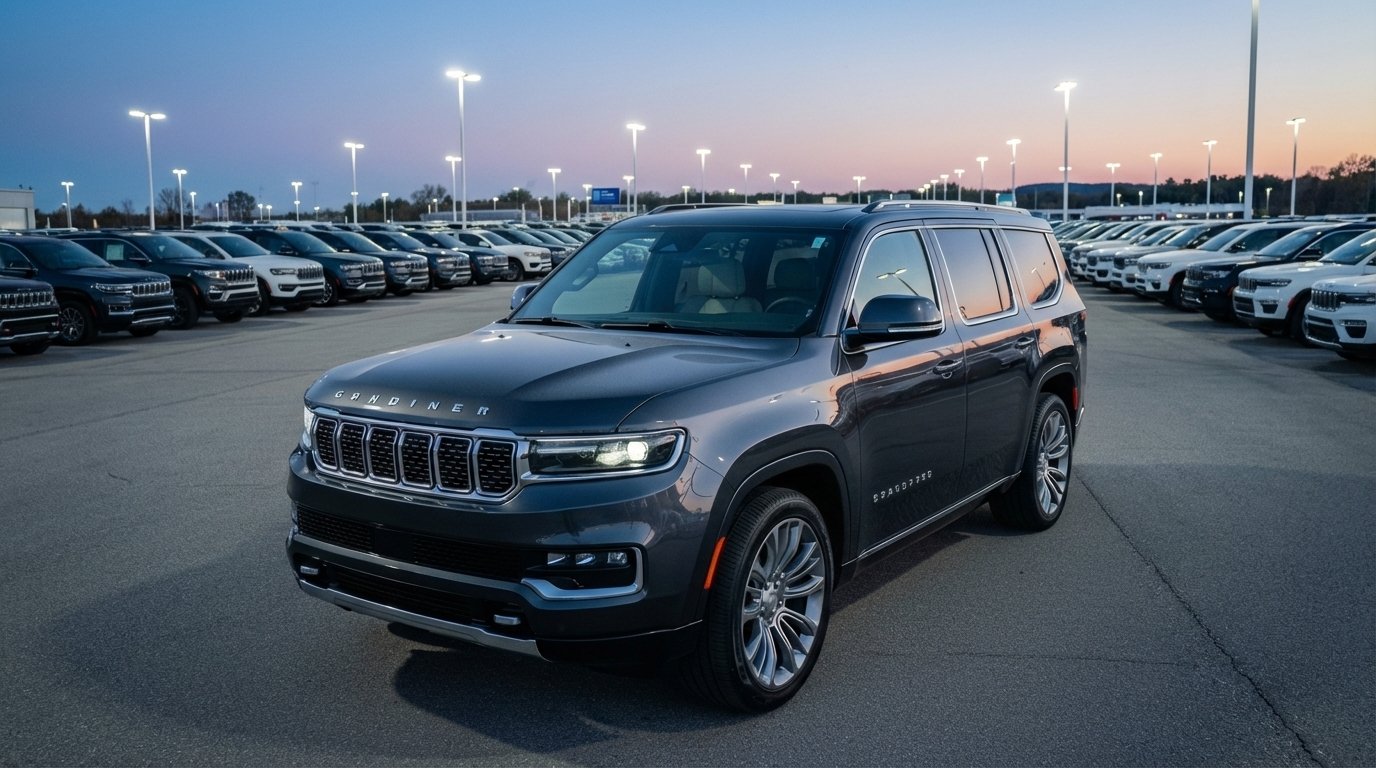
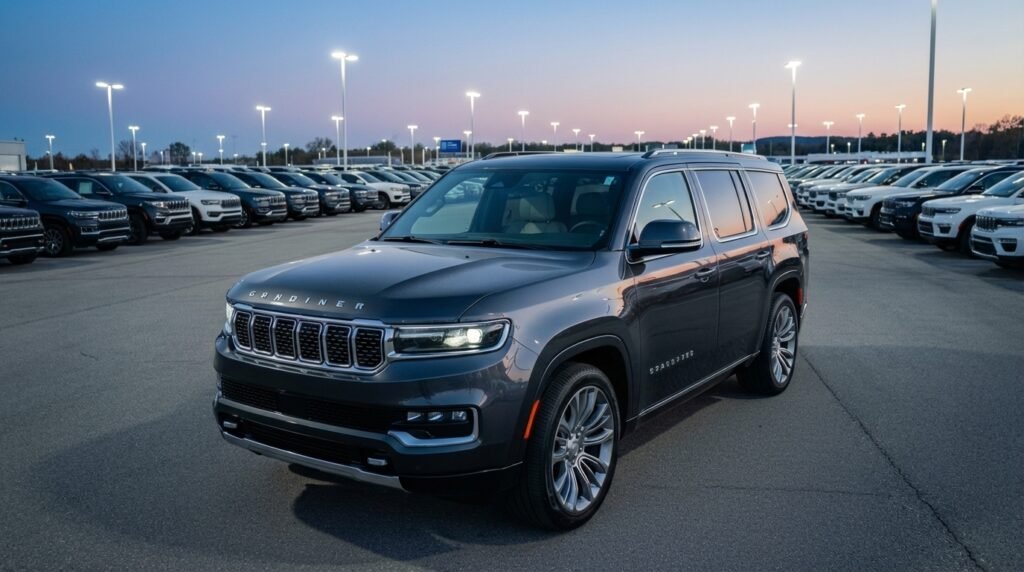
The Jeep Grand Wagoneer aimed straight for luxury, but the badge didn’t match buyer perception. First, Stellantis pushed this model deep into six-figure territory, and prices easily crest $120,000 in top trims. In contrast, buyers at that level often choose a Cadillac Escalade or Lincoln Navigator for a more established luxury image. Moreover, a Jeep badge carries legendary off-road credibility, yet it rarely signals six-figure luxury to most affluent shoppers. As a result, dealers report these wagons sitting on lots for more than 200 days on average, which is an eternity in the car business. Meanwhile, wealthy buyers compare brand pedigree and long-term ownership costs before they sign. Therefore, the Grand Wagoneer’s sticker becomes a steep barrier rather than an invitation, and resale concerns further cloud its appeal to sensible luxury buyers.
A Market Miscalculation
Stellantis bet the Wagoneer name would carry buyers over the price hurdle, but the bet failed. The vehicle itself impresses with size, power, and high-end tech, and yet it sells slowly because the market context matters. For instance, affluent customers evaluate ecosystem, dealer experience, and brand cachet, and established luxury marques still lead those conversations. Consequently, loyal Jeep fans who might have stretched for a premium model find the Grand Wagoneer priced well beyond their reach. At the same time, buyers seeking pure luxury pick proven alternatives with stronger perceived value. In effect, the Wagoneer tried to be everything to everyone and became the right fit for almost no one. Ultimately, its slow sales expose a strategic miscalculation about where buyers place Jeep on the luxury ladder.
Related Post




Case Study #2: Jeep Cherokee – A Slow Fade into Irrelevance
Falling Behind the Competition
The discontinued Jeep Cherokee suffered from neglect and fierce segment competition. The compact SUV market pits models against the Toyota RAV4, Honda CR-V, and Hyundai Tucson, and those rivals updated interiors, powertrains, and value for buyers. In contrast, the Cherokee felt dated, and reviewers often flagged its cramped cabin and lackluster drivetrain options. Moreover, the design divided opinion while pricing remained relatively high for the content offered. As a result, cost-conscious buyers chose more modern, reliable, and better-equipped alternatives for similar or lower prices. Furthermore, lack of standout efficiency or technology made the Cherokee harder to justify in showroom battles. Consequently, consumer perception shifted away from the once-iconic name as competitors kept moving forward with relevant upgrades and clearer value propositions.
The Inevitable End
Stellantis let the Cherokee wither by failing to invest in meaningful updates, and the market punished that neglect. Sales dwindled progressively as the model aged and lost relevance in a packed segment. Instead of refreshing features or resetting price and positioning, the company allowed the nameplate to become an afterthought. Therefore, the Cherokee didn’t vanish because it was inherently bad; rather, Stellantis priced it like a contender while abandoning regular improvements. In effect, that mismatch sealed its fate and turned a once-valuable badge into a ghost on showroom floors. Finally, pulling the plug reflected an acknowledgment that offering a dated product at premium pricing no longer yields sustainable sales in today’s competitive compact SUV market.
Case Study #3: Dodge Hornet – An Identity Crisis with a Price to Match
An Italian Cousin in a Dodge Disguise
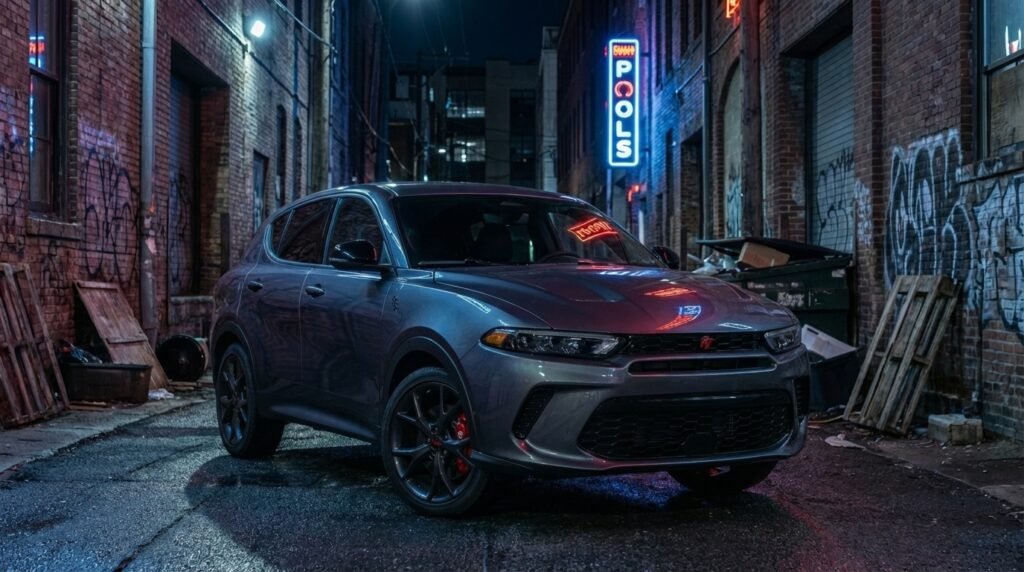
The Dodge Hornet essentially re-skinned an Alfa Romeo Tonale, and that choice introduced both upside and confusion. For example, the Tonale delivers Italian styling and engaging dynamics, yet the Hornet arrives with a premium price that leaves it stranded between mainstream rivals and true premium options. In practice, the Hornet costs notably more than mainstream small crossovers like the Mazda CX-5 or Kia Seltos, and yet it fails to deliver distinct premium cachet over its Alfa cousin. Consequently, value-conscious buyers see better options elsewhere, and enthusiasts question the badge swap. Moreover, cost-sensitive customers weigh feature sets and ownership costs closely, and the Hornet’s positioning weakens its ability to win shoppers in the crowded small crossover segment.
Confusing the “Brotherhood of Muscle”
Dodge’s modern brand identity centers on V8 muscle cars, and the Hornet clashes with that image in several ways. First, faithful Dodge buyers expect loud, bold, high-displacement performance, and a four-cylinder plug-in hybrid crossover diverges from that core promise. Consequently, the brand’s loyal base feels confused, while conquest buyers find clearer alternatives with stronger identities. The Hornet R/T attempts to bridge the divide with higher horsepower, yet the price still stands as a major obstacle to widespread adoption. Therefore, buyers end up asking whether they should choose a niche Dodge crossover or stick with a mainstream model offering equal or better value. Ultimately, the Hornet suffers from a badge-and-price mismatch that limits its appeal.
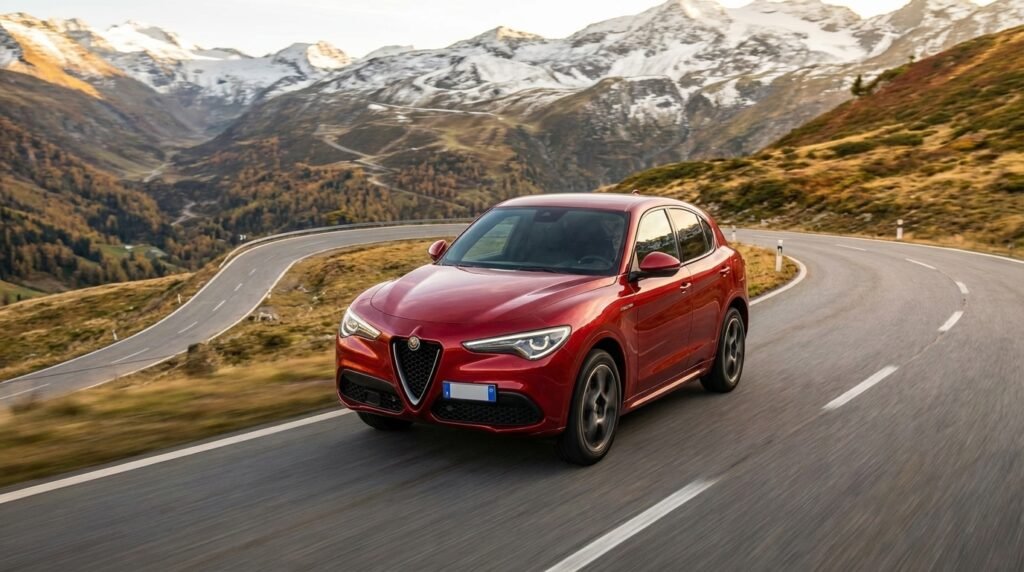
Case Study #4: Alfa Romeo Stelvio – When Passion Can’t Justify the Price
The Driver’s Choice in a Practicality-Focused Segment
The Alfa Romeo Stelvio hurts enthusiasts because it delivers genuine driver engagement, and yet that passion serves a small audience. The Stelvio stands out for its handling, styling, and unique driving character, and some buyers prize those attributes above all else. However, most luxury crossover shoppers prioritize comfort, technology, and perceived reliability instead. As a result, the pool of buyers seeking raw driving feel shrinks compared with broader luxury-market demand. Moreover, those other buyers compare interior refinement and infotainment quality before they sign. Consequently, the Stelvio’s spirited dynamics attract a niche following but struggle to translate into volume sales in a segment dominated by more balanced premium offerings.
Fighting an Uphill Battle Against German Giants
The Stelvio competes directly with the BMW X3, Mercedes-Benz GLC, and Audi Q5, and those German models enjoy default status for many buyers. For instance, shoppers often cite impeccable interiors, polished infotainment systems, and proven reliability when they pick these rivals. In contrast, the Stelvio can feel finicky to some owners, and its interior tech lags the leaders in polish and integration. Therefore, asking buyers to spend $50,000 to $60,000 for an experience that is “almost as good” rarely succeeds. Meanwhile, resale and ownership perceptions further influence buyer decisions. Consequently, the Stelvio remains a niche choice that appeals primarily to driving purists rather than the mainstream luxury crossover customer.
The Common Denominator: Stellantis SUV pricing and a Flawed Strategy
Across these four models, a single thread ties them together: a flawed, aggressive pricing strategy that outpaced brand perception. Stellantis appears to set prices based on where it wants its brands to sit, not where the market actually places them. In addition, the company chased premium margins without first building the deeper brand equity those prices require. Given high interest rates and savvy, value-conscious consumers, that approach failed spectacularly. Consequently, buyers chose competitors that offered better perceived value, clearer brand promises, or both. Moreover, this problem is not limited to sticker price; dealers and resale expectations play crucial roles in purchase decisions. Ultimately, these slow-selling SUVs should serve as a wake-up call that pricing must align with perception, and the company must rebuild trust and clarity before premium prices can succeed. Sources: MoparInsiders.com