






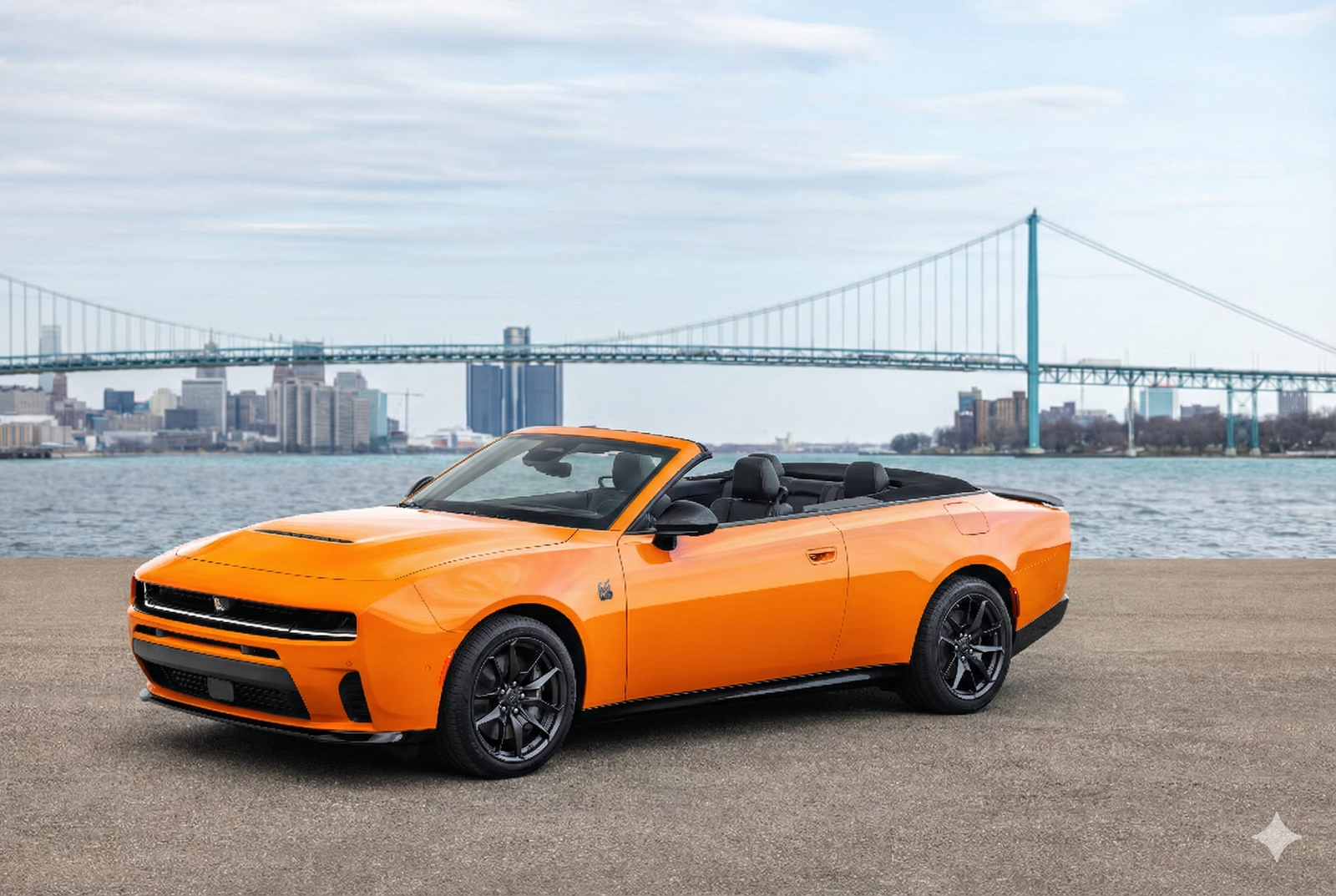
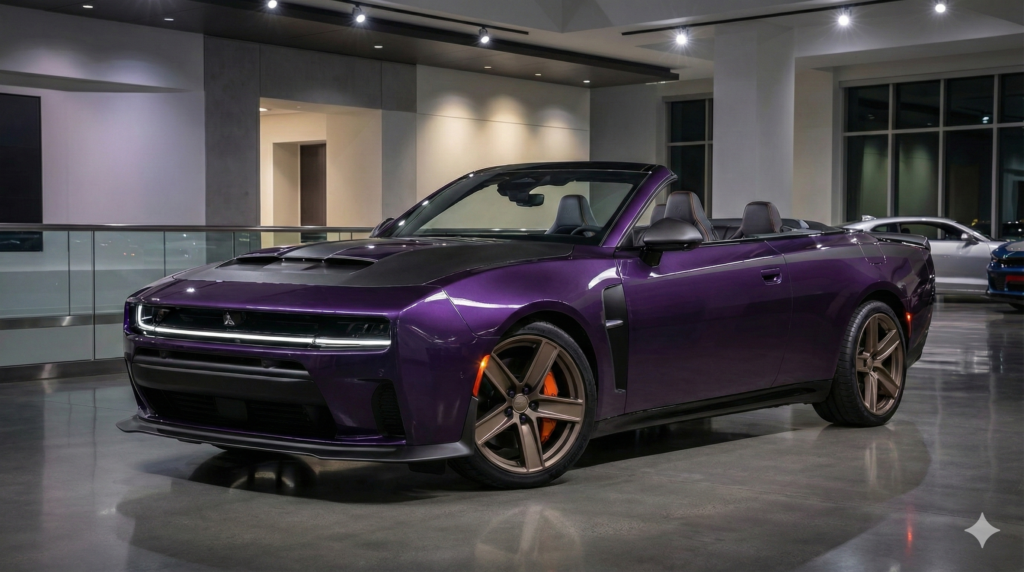
Alright, let’s have a real talk. Dodge builds the loudest, angriest, most unapologetic muscle cars on the planet. They stuffed a demonic V8 into a family sedan and even a three-row SUV. However, one massive, gaping hole remains in the lineup. That void is so obvious it feels insulting. Specifically, Dodge refuses to build a factory convertible that fits the brand. The most sensible candidate is clear: a Charger Hellcat convertible. Consequently, Dodge is leaving millions on the table by ignoring the idea. Customers want theatrical power and usable rear seats together, and no one else is offering that combo. For these reasons, a factory four-door drop-top would make strong business sense. Moreover, a factory car would beat aftermarket conversions on warranty, fit, and durability. Ultimately, the concept aligns with Dodge’s identity: power, presence, and appetite for spectacle. In short, it is a missed opportunity that deserves serious consideration.
The Four-Door Convertible: A Lost American Legend
First, let’s get some perspective on the four-door convertible as an American icon. The idea goes back decades and reached its peak with cars like the 1960s Lincoln Continental. That model felt massive, luxurious, and confidently American. Moreover, the Continental’s suicide doors and long, low stance made it the undisputed king of cool. You could pile your crew in and cruise the boulevard in style. However, that bold body style largely vanished from showroom floors. Automakers grew cautious in the face of safety rules and concerns about chassis flex. As a result, the four-door drop-top faded as manufacturers prioritized rigid roof structures. Meanwhile, two-door convertibles thrived, but they serve a different role. For example, current Mustang and Camaro convertibles prioritize sportiness over rear-seat comfort. Consequently, the market lacks a practical, full-size, four-seat convertible with real muscle-car attitude. In fact, that gap represents an open opportunity for makers willing to take a risk.
Why a Charger Hellcat convertible Makes Sense
If you want proof of demand, look to the aftermarket. For instance, specialized shops now chop roofs off new Chargers and Challengers. A firm called Drop Top Customs has become famous for doing that work. They reinforce the chassis and craft clean rooflines so the cars look factory-built. Furthermore, these conversions cost a premium, which highlights strong willingness to pay. According to a piece at MoparInsiders, the process can run upwards of $34,000. That fee comes on top of the car’s price, so buyers effectively pay tens of thousands extra. Consequently, customers are happy to spend the price of another vehicle just to get a drop-top. Ultimately, this willingness suggests factory conversions with full warranties would sell well. For Dodge, offering a factory-built Charger Hellcat convertible would capture buyers who now trust third-party shops. In short, the aftermarket is validating the market and pointing the manufacturer toward profit.
Related Post




The Charger Platform Is Perfect For It
Dodge would not need to start from zero to make a four-door drop-top. The Charger platform already brings size and inherent strength that favor conversion. In particular, the car’s long wheelbase helps resist chassis flex. That length reduces the tendency for cowl shake when engineers remove the roof. Moreover, a heavier, longer vehicle tends to ride smoother than smaller convertibles. Engineers can also add reinforcements along the sill and underbody without ruining interior space. As a result, a finished Charger convertible could feel solid rather than flimsy. For buyers, that translates to confident highway cruising and less noise in the cabin. In addition, Dodge already builds robust suspension and brakes for high-power variants. Therefore, adapting those systems for a factory convertible would be straightforward for the company. Overall, the platform’s dimensions and existing hardware make the Charger an excellent candidate.
A True Four-Seater Muscle Car
The Charger holds a unique trump card: real rear seats that adults can use. In contrast, two-door convertibles often offer only token rear accommodations. That difference matters because it changes how owners use the car. A true four-seat drop-top lets you take three friends to the beach without squeezing them. Moreover, families could enjoy open-air road trips without sacrificing legroom. Practical everyday usability would separate a Charger convertible from sporty weekend toys. For instance, a parent could drive to work in comfort and still enjoy weekend theater. Consequently, this body style would create a new niche: a family-friendly super-sedan convertible. Dodge could market the model as both an emotional purchase and a practical one. Ultimately, that dual appeal widens the customer base beyond hardcore enthusiasts. In addition, dealers would gain a halo product that draws showroom traffic for other models. In short, the Charger would redefine what people expect from a muscle convertible.
Imagine the Hellcat Experience, Unfiltered
Now for the showstopper: the sensory impact of a Hellcat V8 with no roof. Close the door and the engine roars, but open the top and the experience intensifies. The Hellcat’s menacing supercharger whine would sit right in the cabin. For example, every throttle stab would deliver a visceral hit of sound and vibration. Moreover, the combination of Hemi V8 bark and forced-induction scream would feel theatrical. That unfiltered audio would make acceleration events unforgettable for driver and passengers alike. This car would not be optimized for the track, however; it would excel on the street. It would play the boulevard role perfectly as a heavy, powerful cruiser tuned for drama. Consequently, owners would buy it for presence and sensation, not for lap times. In addition, the convertible layout would amplify the social element of driving with friends. Ultimately, a Charger Hellcat convertible would deliver the purest, loudest expression of Dodge’s ethos.
Dodge, It’s Time to Build It
The argument is straightforward: the market, the platform, and customer willingness all line up. Aftermarket work proves demand, and buyers pay hefty premiums for conversions already. Dodge has the engines, the engineering talent, and the corporate muscle to make this happen. Therefore, building a factory Charger Hellcat convertible should be both logical and profitable. A factory solution would trump third-party conversions with a full warranty and consistent quality. Moreover, a production model would expand Dodge’s brand halo and bring traffic to showrooms. Yes, engineers would need to reinforce the structure, but the Charger platform reduces those hurdles. As a result, the amortized cost could be covered by premium pricing and strong demand. Ultimately, this is not a niche hobby; it is a scalable opportunity that fits Dodge’s DNA. In short, the business and cultural cases converge, and Dodge should answer.