







The automotive landscape is shifting dramatically right now. Before we dive into the major news from the White House, however, we have some huge updates for the channel. Currently, our Ram 2500 and Ram 1500 giveaways are live. You can enter to win these trucks over at the TK’s Garage store. Furthermore, Goodies Popcorn has brought back their 100x entries for the Ram 1500 Laramie. In addition, OBD Tech has shipped a pristine 2024 Ram 2500 Big Horn for the giveaway. This truck is under factory warranty and sits at around 21,000 miles. Specifically, it is the newest, lowest-mileage truck we have ever given away. Make sure to check that out.
President Trump Terminates CAFE Standards
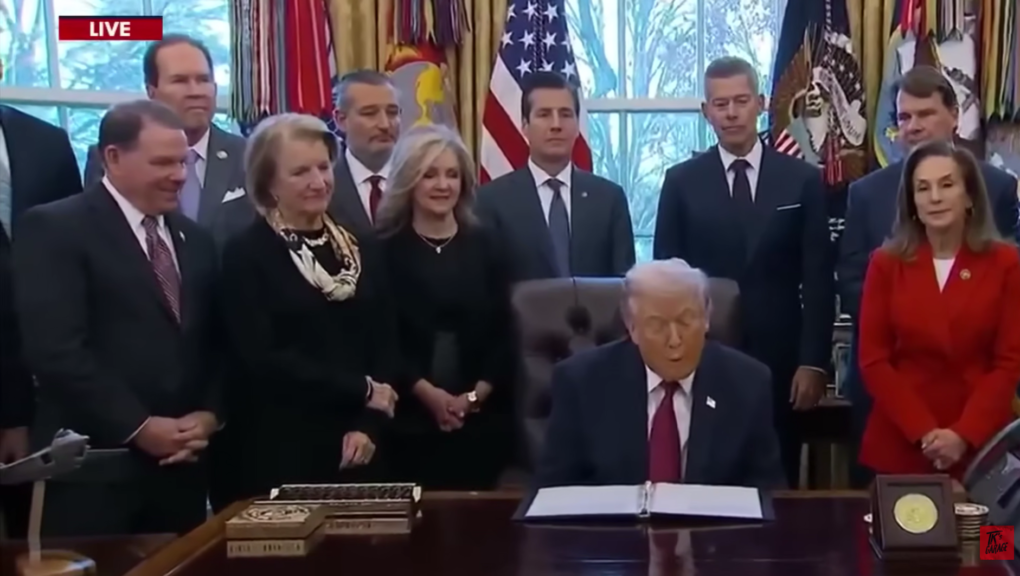
President Trump has officially signaled the end of the Biden-era emissions regulations. During a major meeting with the CEOs of Ford, Stellantis, and General Motors, he announced the termination of CAFE standards. Previously, the government set these standards to force a massive transition to electric vehicles. Trump described these regulations as “ridiculously burdensome” and “horrible.” He argued that they imposed expensive restrictions on automakers. Consequently, these rules drove up the price of cars significantly. In fact, he noted that car prices soared more than 25% due to these mandates.
The President stated that his administration is taking historic action to lower costs for American consumers. He emphasized that this move will protect American auto jobs. Furthermore, he claimed this action would make buying a car much more affordable for countless families. He referred to the push for electric vehicles as the “Green New Scam.” According to Trump, this was a quest to end the gasoline-powered car. However, he insisted that people still want gasoline cars. As a result, his administration is ensuring that consumers have that choice.




Major Investments from Stellantis, Ford, and GM
The meeting included top executives from the Big Three automakers. For example, Jim Farley, CEO of Ford, was present. Antonio Filosa, CEO of Stellantis, also attended. In addition, representatives from General Motors were at the table. These companies are now pledging massive investments in U.S. manufacturing. For instance, Stellantis announced it will invest $13 billion to expand its U.S. manufacturing. They plan to increase production by more than 50%. Antonio Filosa stated they will deliver five new vehicles to the market. Stellantis expects this investment to create 5,000 additional jobs over the next four years.
Ford is also making significant moves. Jim Farley noted that Ford is the number one auto producer in the country. He highlighted that Ford builds 80% of the vehicles it sells here locally. Under the new administration, Ford plans to invest heavily in affordable vehicles made in the U.S. Meanwhile, General Motors plans to invest $4 billion. They are bringing manufacturing back to the United States from Mexico. The GM representative mentioned that the Orion Assembly plant in Michigan is currently undergoing a retool. This facility will build additional U.S.-manufactured pickup trucks and full-size sport utilities.
New Tax Deductions for Car Loans
Affordability was a central theme of the discussion. Therefore, President Trump introduced a game-changing policy for car buyers. He announced a plan to allow Americans to deduct the interest on their car loans from their income taxes. He described this as a part of a “big beautiful bill.” Previously, wealthy individuals could use various deductions. However, middle-income families rarely had this opportunity when buying a vehicle. Now, if you borrow money to buy a car, you can deduct that interest.
This policy applies to both new and used vehicles. Trump believes this will have a bigger impact than even the changes to CAFE standards. In fact, it essentially lowers the effective cost of the vehicle for the buyer. Dealers at the meeting expressed strong support for this measure. They noted it would save customers anywhere from several hundred to several thousand dollars. Consequently, this makes vehicle ownership accessible to more working families.
Approval for Micro Cars and “Kei” Cars
Another surprising development involves smaller vehicles. For instance, President Trump discussed his recent trip to Asia. He noticed the small, efficient cars popular in Japan and South Korea. People often refer to these as “Kei cars.” He asked why these affordable options were not available in the U.S. Previously, regulations prevented their sale here. However, Trump has now authorized the Department of Transportation to approve these cars immediately.
Secretary Sean Duffy confirmed this directive. He stated that they have “cleared the deck” on regulations. Now, companies like Toyota or even U.S. manufacturers can build these smaller vehicles in America. They can sell them here without regulatory hurdles. Officials describe these cars as fuel-efficient and significantly less expensive. As a result, people who could not afford a new car previously might now have a brand-new option. Stellantis CEO Antonio Filosa expressed immediate interest in this segment. He confirmed that Stellantis is looking forward to working on these types of vehicles.
Safety Concerns and Steel vs. Plastic
Senator Ted Cruz also spoke at the event regarding safety. He argued that the previous CAFE standards compromised vehicle safety. To meet strict fuel economy rules, manufacturers had to make cars lighter. This often meant using more plastic instead of steel. Cruz suggested that in a wreck, plastic cars are less safe than steel ones. By removing these mandates, automakers can return to using robust materials. Therefore, ending these regulations is not just about cost.
Cruz emphasized that this move will literally save lives. Families will be safer on the roads in sturdier vehicles. Additionally, without the pressure to use expensive lightweight materials, costs will drop further. He congratulated the President on zeroing out the CAFE standards. This legislative move ensures that consumers can buy the cars they actually want. Furthermore, it removes the government from the design process of the vehicle.
Addressing Illegal Mileage Blockers
During the Q&A session, a guest raised a specific industry issue. He asked the President about “mileage blockers.” Manufacturers in China or Great Britain often produce these computer chips. They alter the actual mileage driven on a vehicle. This fraud hurts dealers when lessees return vehicles with false low mileage. The dealers lose thousands of dollars on these cars. The guest noted online vendors sell these devices globally.
President Trump admitted he had not heard of this specific technology before. However, he immediately acknowledged the problem. He asked the industry experts present about it. They confirmed it works primarily on older vehicles but is a growing concern. Subsequently, Trump agreed that his administration needs to look into this. Stopping this type of fraud is essential for maintaining the integrity of the used car market.
Conclusion: A Win for Consumers
Overall, this event marks a massive shift for the auto industry. The end of the EV mandate removes pressure from manufacturers. In addition, the termination of CAFE standards allows for more gas-powered options. Moreover, the introduction of car loan interest deductibility directly helps buyers’ wallets. With billions in new investments from Ford, Stellantis, and GM, the industry seems poised for growth. American consumers will likely see lower prices and more choices soon. Finally, the potential arrival of affordable micro-cars adds a new dimension to the market.