










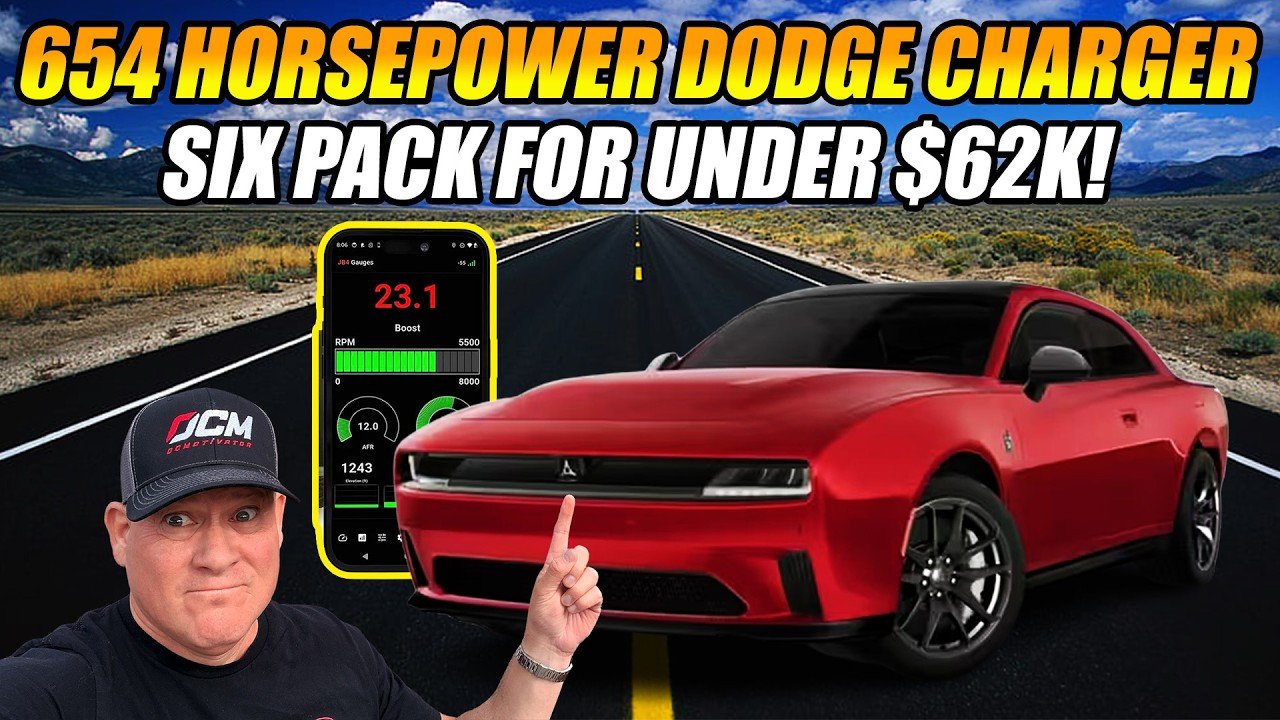
Imagine pulling a brand new car off the dealership lot and adding 100 horsepower in one hour. Surprisingly, this is now a reality for the 2026 Dodge Charger Sixpack. Many enthusiasts remain skeptical about the new twin-turbo Hurricane engine replacing the Hemi. However, the tuning potential of this platform is undeniable. In fact, for roughly $525 to $700, you can transform this six-cylinder muscle car into a 650-plus horsepower monster.
This upgrade takes place right in your driveway. Furthermore, it does not require a team of mechanics or a lift. You simply need a few basic tools and a free Saturday afternoon. Consequently, the performance gains are massive. We are looking at numbers that could threaten the legacy of the Hellcat.
Related Post




The Twin-Turbo Advantage
The new Dodge Charger Sixpack leaves the factory with impressive specs. Specifically, the High Output version delivers 550 horsepower stock. For many drivers, that is plenty of power. Yet, the aftermarket is already moving fast. Tuners are proving that Dodge severely detuned the Hurricane engine from the factory.
Currently, devices like the JB4 tuner and the Diablo Sport Cat 6 are changing the game. These modules plug directly into the car’s existing systems. As a result, they safely increase boost and optimize fuel delivery. The outcome is a dramatic spike in power. For example, the Diablo Sport Cat 6 claims a gain of 78 rear-wheel horsepower on High Output models.
Additionally, torque numbers jump significantly. You can expect an increase of roughly 94 foot-pounds of torque at the wheels. This is not just peak power, either. The curve improves across the board. Therefore, the car pulls harder from a stop and keeps pulling on the highway. Ultimately, you own a vehicle pushing over 600 horsepower for a fraction of a Redeye’s cost.
Proven Results on the Ram RHO
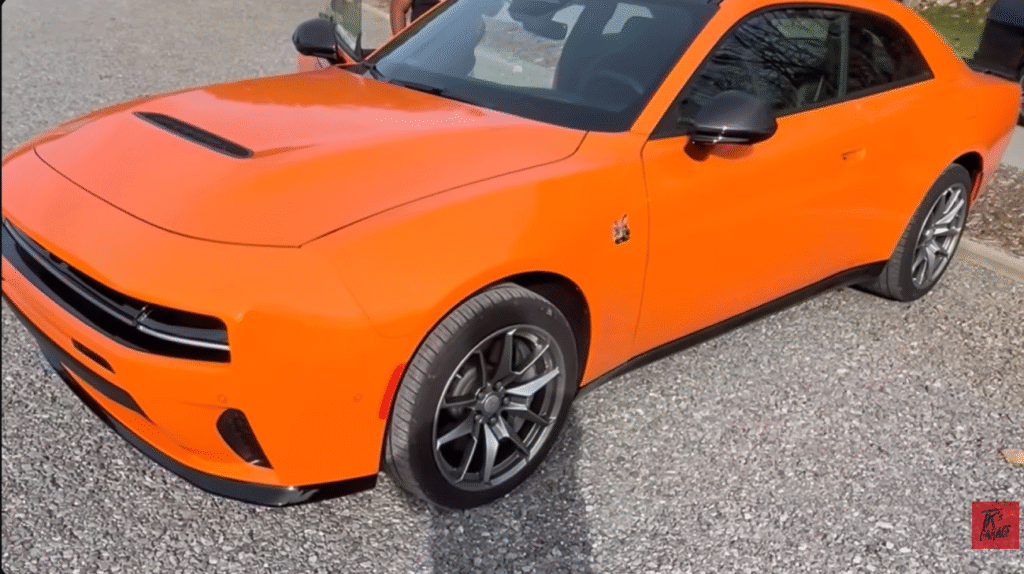
We do not have to guess about these numbers. The engine in the Charger Sixpack is the same Hurricane platform found in the 2025 Ram RHO. Recently, John Hall Photography conducted rigorous testing on this engine using a Dragy performance meter. The results were shocking. First, he established a baseline run. The heavy truck hit 60 mph in 5.7 seconds.
Next, he installed the tuning module. On Level 1, the 0-60 time dropped instantly to 4.38 seconds. That is a massive improvement of over 1.3 seconds. Moreover, the quarter-mile time fell from 13.48 seconds to 12.81 seconds. This happened on 95 octane fuel with a simple plug-in device.
However, the gains continued. He switched the device to Level 2. The truck then sprinted to 60 mph in 4.27 seconds. Finally, on Level 3, the massive Ram truck hit 60 mph in a blistering 4.13 seconds. In addition, the quarter-mile time dropped to 12.50 seconds. If a heavy truck moves this fast, imagine what a lighter Charger will do.
Easy Driveway Installation
The best part of this upgrade is the simplicity. You do not need to tear apart the engine. The installation process is straightforward. First, you locate the main harness connector at the ECM. You then plug the module in-line with the factory harness. Afterward, you route cables to the MAP sensor and the Mass Air Flow sensor.
There is one wire that must pass through the firewall. This connects to the OBDII port and the throttle pedal inside the cabin. While this sounds complex, it is actually quite standard. Most enthusiasts can complete this in about an hour. Essentially, you could have a few buddies over, enjoy some beverages, and finish the job before dinner.
Cost Versus Performance
Let’s look at the math. A well-specced 2026 Dodge Charger Sixpack might cost around $60,175. This price includes options like Red paint for $695. If you choose Black paint, you save money immediately. Now, add the cost of the tuner. The JB4 model retails for approximately $529. Alternatively, the Diablo Sport Cat 6 costs around $699.95.
So, for a total investment of roughly $61,000, you own a 650-horsepower all-wheel-drive machine. This value proposition is hard to ignore. In comparison, older Hellcat models often sell for much more. Furthermore, this new platform offers modern technology and traction that the older rear-wheel-drive cars lacked.
Even the Standard Output (SO) engines benefit. For instance, these engines power the R/T trims and start with 420 horsepower. However, tuning modules can add around 63 rear-wheel horsepower to them. Consequently, an entry-level Charger could approach 500 horsepower. That creates a very fast car for a very reasonable price.
Warranty Risks and Reality
Of course, there is a catch. Modifying a new car always carries risk. Installing a tuner like the JB4 or Cat 6 will likely void your powertrain warranty. If you blow up the engine, Dodge will not cover it. Some people believe removing the device before service hides the modification. However, modern ECMs often store “cookies” or data that reveal tampering.
Despite this, many owners take the risk. The Hurricane engine has been on the road for a while now. It powers Jeeps and trucks successfully. Thousands of users run these tunes without catastrophic failures. Therefore, while the risk exists, the platform appears robust enough to handle the extra boost.
The Verdict
Die-hard V8 fans may never fully embrace the six-cylinder sound. We all love the rumble of a Hemi. Nevertheless, speed is a universal language. A Dodge Charger Sixpack running a Level 3 tune will absolutely fly. Consequently, it will likely gap stock Hellcats from a dig thanks to the all-wheel-drive system.
Ultimately, Stellantis has built a tuner’s dream. The factory left a massive amount of power on the table. Companies like Diablo Sport and BMS are unlocking it for pennies. If you accept the exhaust note, this upgrade makes the Charger an unbeatable performance bargain. As a result, we expect to see plenty of these 650-horsepower six-packs dominating the streets very soon.