



HR4117 and the Diesel Truck Liberation Act: What’s at Stake
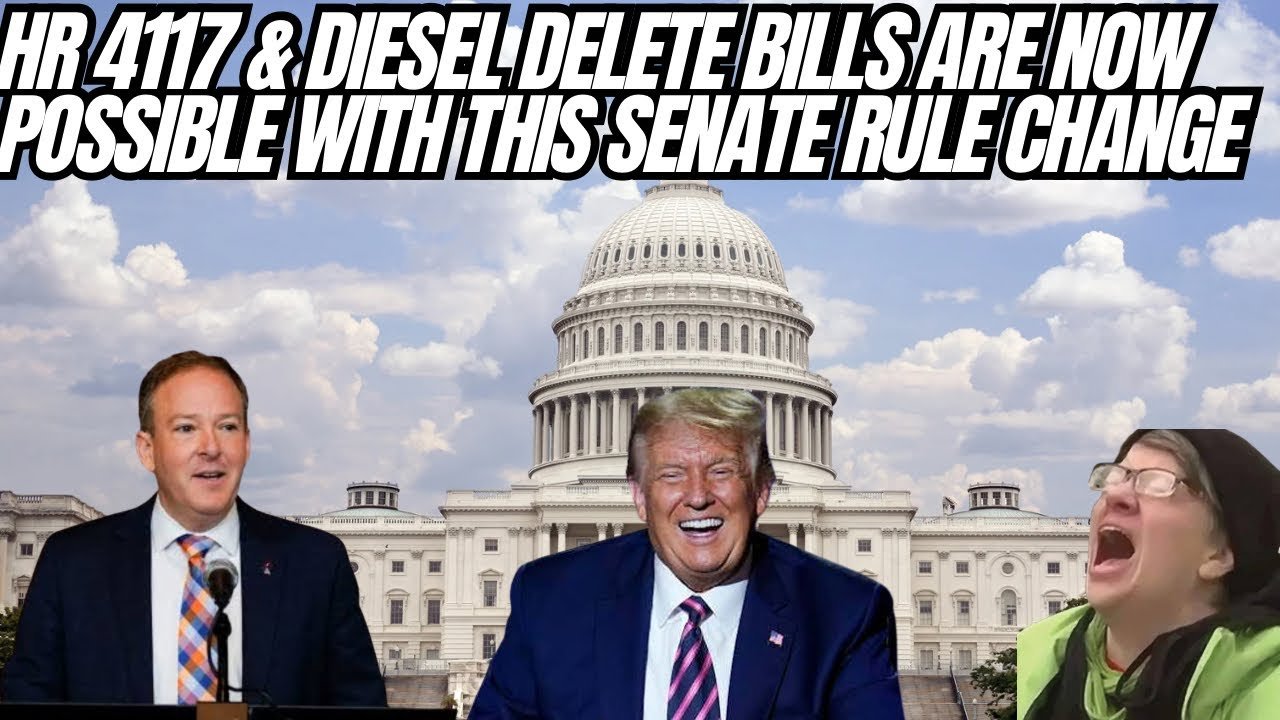
HR4117, also known as the Stop Car Act, and the Diesel Truck Liberation Act are at the center of a heated debate in automotive news. These bills could dramatically impact emissions regulations for Dodge, Ram, and other performance and muscle cars. The keyphrase HR4117 and Diesel Delete Bill Gain Momentum as Senate Considers Filibuster Changes is front and center as lawmakers consider major changes.
According to TK’s Garage, both bills are currently in committee. While HR4117 has the votes to pass the House, the real challenge lies in the Senate. The filibuster, a procedural rule, allows the minority party to block legislation unless 60 votes are secured. This has stalled progress on automotive legislation, including bills that would affect emissions standards for performance cars and trucks.
Senate Filibuster: The Roadblock to Automotive Reform
Currently, the filibuster stands as the main obstacle for HR4117 and the Diesel Truck Liberation Act. TK explains that unless the Senate reaches a 60-vote threshold, the minority can prevent a bill from ever reaching the floor. This has left many automotive enthusiasts and industry insiders frustrated, as key reforms remain out of reach.
Related Post



However, there is growing momentum to change these rules. Senator John Thune, the Republican majority leader, is reportedly considering the complete removal of the filibuster at the president’s request. If this so-called “nuclear option” is enacted, Republicans could pass any bill with a simple majority—just 50 votes plus the vice president’s tie-breaker.
Potential Impact: Emissions Freedom and Lower Vehicle Costs
If the filibuster is eliminated, HR4117 and the Diesel Truck Liberation Act could pass quickly. TK notes that these bills would eliminate emissions and smog tests, as well as requirements for companies to maintain or install emissions systems on new trucks. This would mark a significant shift for Dodge, Ram, and other brands known for muscle and performance cars.
As a result, vehicle costs could drop. TK suggests that a $75,000 truck could fall to around $51,000, and entry-level cars like the Nissan Versa could see prices drop significantly. The removal of emissions requirements would also make vehicles simpler and potentially more reliable, a key concern for many drivers.
Presidential Pardons and Public Sentiment
Recent presidential pardons for individuals tied to diesel vehicle modifications have added fuel to the debate. TK points out that these actions signal a shift in how the government views emissions enforcement, especially for vehicles used by municipalities, school buses, fire trucks, and ambulances. The cumbersome nature of current emissions systems has led to reliability issues, making reform a priority for many in the automotive community.
For drivers who value reliability and long-term performance, especially in diesel vehicles, these legislative changes could be a game-changer. TK shares personal experiences with diesel BMWs and a high-mileage Duramax truck, emphasizing the desire for vehicles that simply work and deliver strong mileage.
What’s Next for Automotive Legislation?
With the government recently reopened after a 40-day pause, attention is turning back to these critical bills. If Senate leaders move forward with eliminating the filibuster, HR4117 and the Diesel Truck Liberation Act could become law in short order. This would reshape the landscape for Dodge, Ram, Stellantis, and the broader performance car market.
TK remains confident that, should the filibuster fall, these bills will pass. The automotive world is watching closely as the Senate weighs its next move. The outcome could bring emissions freedom and lower costs for drivers nationwide.
Stay Tuned for More Automotive News
As the debate continues, enthusiasts and industry insiders alike are urged to follow developments closely. The fate of HR4117 and the Diesel Truck Liberation Act could set a new course for muscle cars, performance vehicles, and the entire automotive sector.