








What if I told you the next Viper might give us both worlds? A true manual for purists and a fast auto for lap times. After Tremec showed a mid‑engine manual at SEMA, the dots connect. A new Dodge halo can offer two gearboxes no matter where the engine sits.
What we know and what we don’t
I talked to a few interesting people at Roadkill Nights this year about a new Viper and they told me there won’t be one based on the Maserati mid-engine car. That rules out a Maserati MC20 clone. Great car. Wrong cost. I kept hearing what the Viper wouldn’t be not that it would never happen. The goal is a car fans can buy, not just frame.
I also heard about clay models in the works from sources at the event. That means Dodge is very early in development. If the program stays hot, a reveal in two to three years is realistic. Tooling takes time. So does validation.




Why a manual finally makes sense
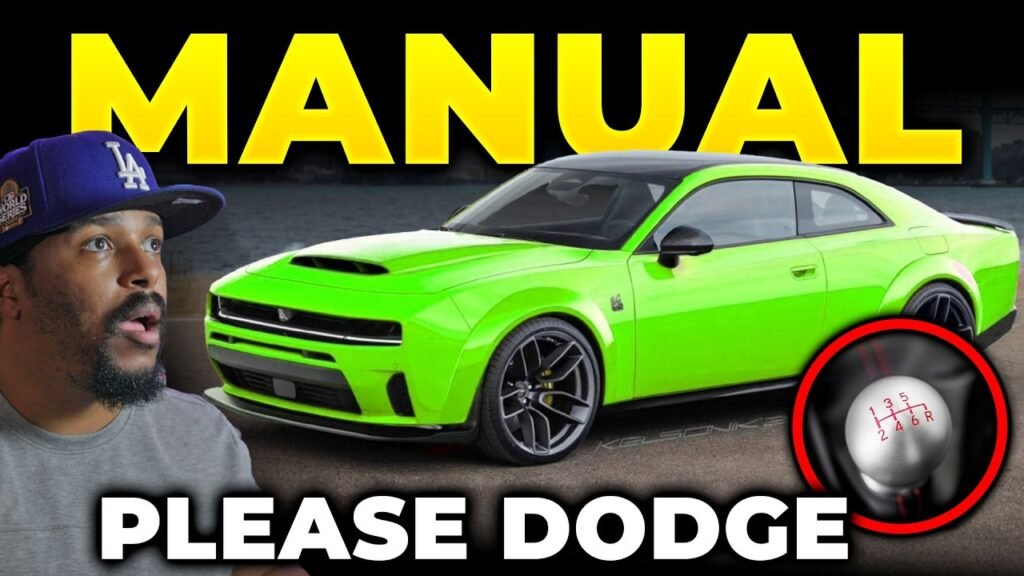
Tremec’s new unit is built for mid‑engine use. It can live behind big power and still keep a clutch pedal. If the car lands front‑engine, a manual is even easier. mid-engine like the C8 Corvette, they can use the Tremec tranmission they introduced at SEMA. Either way, the stick is back on the menu.
An automatic still matters. Many buyers want the quickest laps and the calm commute. A smart auto or DCT covers that need. Offer both and let the driver pick.
Mid‑engine vs. front‑engine
Mid‑engine gives balance and grip. It lines up against the C8 Corvette and the next ZR1. With plenty of engine options, this new Viper could be awesome.
Front‑engine keeps the classic Viper vibe. Long hood. Short deck. Rowdy sound right up front. The chassis can still be sharp with the right weight split. Either layout can work if the cost and goals stay tight.
Powertrains that fit the times
A V10 is legend, but the odds are low. Emissions and cost stack against it. A V8 is the safe bet. It could be an updated HEMI or the first wave of a Gen 4 HEMI. Forced air is likely. If Dodge use the Gen 3 Hemi I would figure a supercharged model. A new Gen 4, probably turbos on an ACR model.
Power targets? A sane base at 500–600 hp with a sweet manual. A hotter SRT trim in the 700–800 hp zone. Would love to see an ACR get more hp than the C8 ZR1.
Where would it be built?
Two paths stand out. A new SRT HQ site that also hosts low‑volume builds. Or Brampton in Canada, which wants product after recent shifts. A small line could handle a halo, a $30K sports car, and even a Chrysler coupe spin if the plan grows.
Fans want “made in USA,” hand‑built engines, and the Viper name. If production moves north and the layout changes, the badge might change too. The Viper and ACR marks still exist, but Tomahawk and other names are on the board.
My build if I had the pen
Give me a mid‑engine layout, a six‑speed manual, and a supercharged V8 that sings to 7,000 rpm. Curb weight under 3,500 lb. Big coolers. Steel brakes standard. Carbons optional. And an ACR with a wing big with enough down force to cause the ground to crack.
What might it be called?
If the car keeps the front‑engine shape and raw feel, call it Viper and bring ACR back. If it moves mid‑engine with a new vibe, use a fresh badge. Tomahawk fits the mood and keeps the snake lore untouched.
Quick answers
Is a new Viper confirmed? The badge isn’t announced, but a new halo is in play.
Manual or auto? Both look likely now that a mid‑engine manual exists.
Where will it be built? Either a new SRT site or Brampton makes sense.
V10 or V8? A V8 is far more likely. The V10 faces cost and emissions rules.
When could we see it? If the clay and tooling stay on pace, two to three years.
Bottom line
The pieces are on the table. A manual is now practical in both layouts. A fast auto is easy. A mid‑engine plan targets the Corvette. A front‑engine plan keeps the old magic. Pick the path, keep the price honest, and ship the car. Mopar fans will show up cash in hand.