







What’s up, guys—welcome back to Auto Intel Daily. Quick breakdown in plain English, tied to the clip you watched:
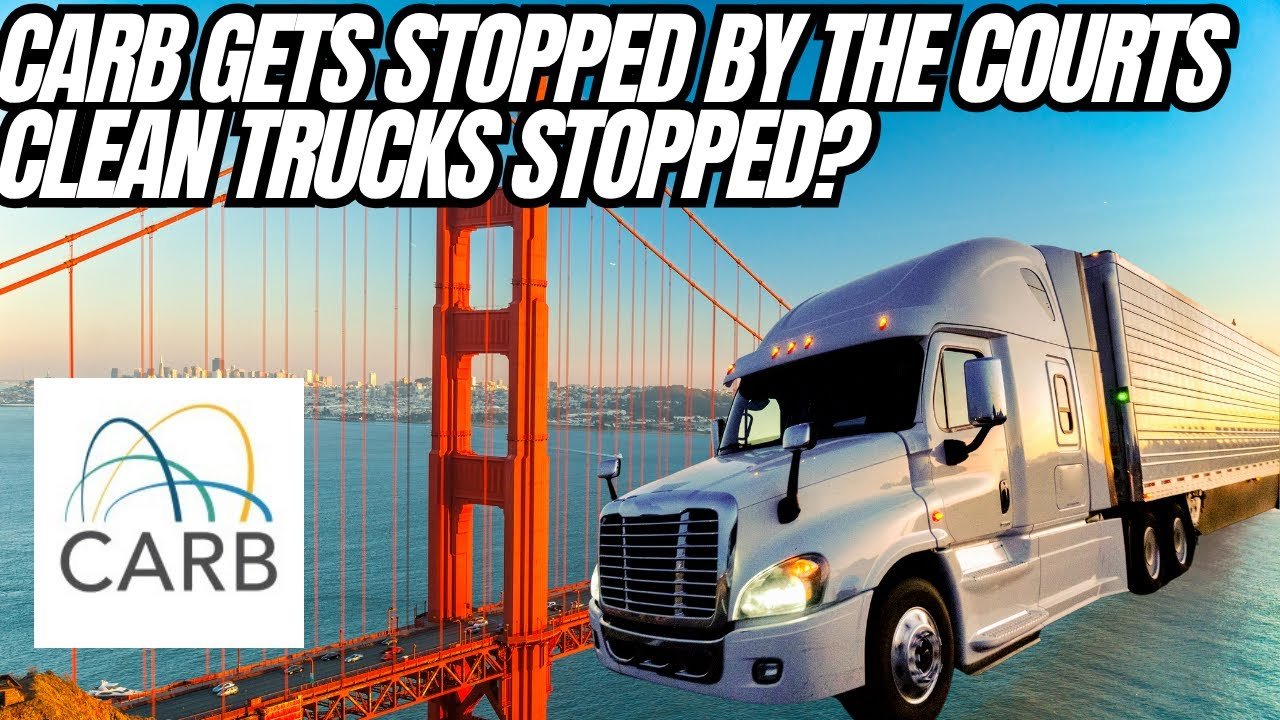
First, the courts. A three-judge panel of the Ninth Circuit stayed key pieces of the state’s truck emissions push last month. The panel signaled CARB’s “Clean Truck Partnership” (the 2022 pact with several OEMs to align on stricter standards) might conflict with federal law that puts heavy-duty emissions under EPA, not a single state acting alone. Translation: courts are scrutinizing how far California can go on its own.
Related Post



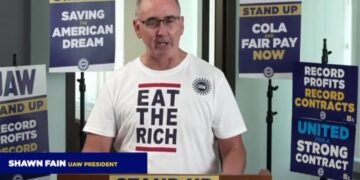
Second, the feds turned the screws on licensing. U.S. Transportation Secretary Sean Duffy said DOT already clawed back $40 million from California for not enforcing long-standing English-proficiency/ELDT rules, and the department is now reviewing an additional $160 million while warning it can escalate penalties—or even move to suspend the state’s authority to issue CDLs if it won’t comply. That’s not a headline I’m making up; that’s straight out of DOT’s on-camera briefing and AP follow-ups.
Now, about CARB’s Clean Truck Check (the heavy-duty “smog check”). Here’s the practical part I care about for small business owners and fleets:
- Frequency: roadside emissions screening + biannual periodic testing today, with a step-up to quarterly OBD data reporting for most 2013+ trucks starting 2027. That’s more downtime and admin unless you automate it.
- Scope & penalties: it covers nearly all diesel and many gasoline HD vehicles operating in CA; failures and non-submissions trigger escalating fines and “cannot operate” holds in the CARB database—meaning your truck can be parked even if it’s mechanically fine. (Details in CARB’s official program pages.)
Add those together and you see the picture: courts are questioning CARB’s reach, DOT is linking money to compliance, and CARB is simultaneously increasing test cadence on working trucks. That friction is exactly what I flagged in the video—the temperature is up, and it’s not cooling off soon.
A couple more data points to keep us honest:
- California’s broader budget backdrop is tight (multi-billion-dollar shortfall), so there’s less room to backfill programs if federal funds get yanked. That fiscal pressure makes the DOT threat more than political theater. AP News+1
- The Ninth Circuit stay doesn’t kill California’s climate efforts; it pauses parts while the legal fight continues. Expect CARB to narrow, revise, or litigate—not surrender. That’s why I said in the video: this is the opening salvo, not the final bell.
What it means if you run trucks in/through California:
- Plan for biannual testing now and budget the admin time (or a telemetry solution) so you don’t get tripped up by paperwork. The quarterly OBD schedule in 2027 isn’t here yet, but the smart play is to set up digital reporting well before then.
- Watch the DOT–California standoff. If the review escalates, expect more audits at the CDL-school and carrier level, and less tolerance for language-proficiency gaps during roadside inspections—especially at weigh stations and ports.
- Legal uncertainty favors federal baselines. The more courts press on preemption, the more likely we see California re-harmonize pieces of its heavy-duty program with EPA timelines. That could ease compliance whiplash for interstate carriers—but don’t bank on it until rulings are final.
Bottom line: you’re not crazy—pressure on California’s truck rules is very real. The court just put a speed bump in front of CARB, DOT is dangling big-dollar penalties, and small fleets are the ones feeling it first with testing cadence and admin overhead. I’ll keep pulling the filings and briefings so we separate signal from noise as this evolves.
Drop your questions below—especially if you’re a one-to-five-truck operation and you’re trying to stay compliant without burning a day a month on forms. And as always… stay petty, my friends.