




Ram ProMaster: Why a HEMI Van Actually Makes Sense (and What I’m Hearing)
Let me get right to it: the ProMaster is due for a real update, not just a new grille and brochure talk. Over the last few months I’ve been told EV ProMaster momentum fell flat. The use-cases (last-mile fleets, upfitters, conversion builders) didn’t line up with the price/charging reality—especially once you factor payload hits and idle-time demands. Now the chatter is getting loud about a return-to-basics powertrain slate…with a twist.
The Short List (what I’d bet on today)
- 5.7L HEMI eTorque configuration under the hood of the new ProMaster.
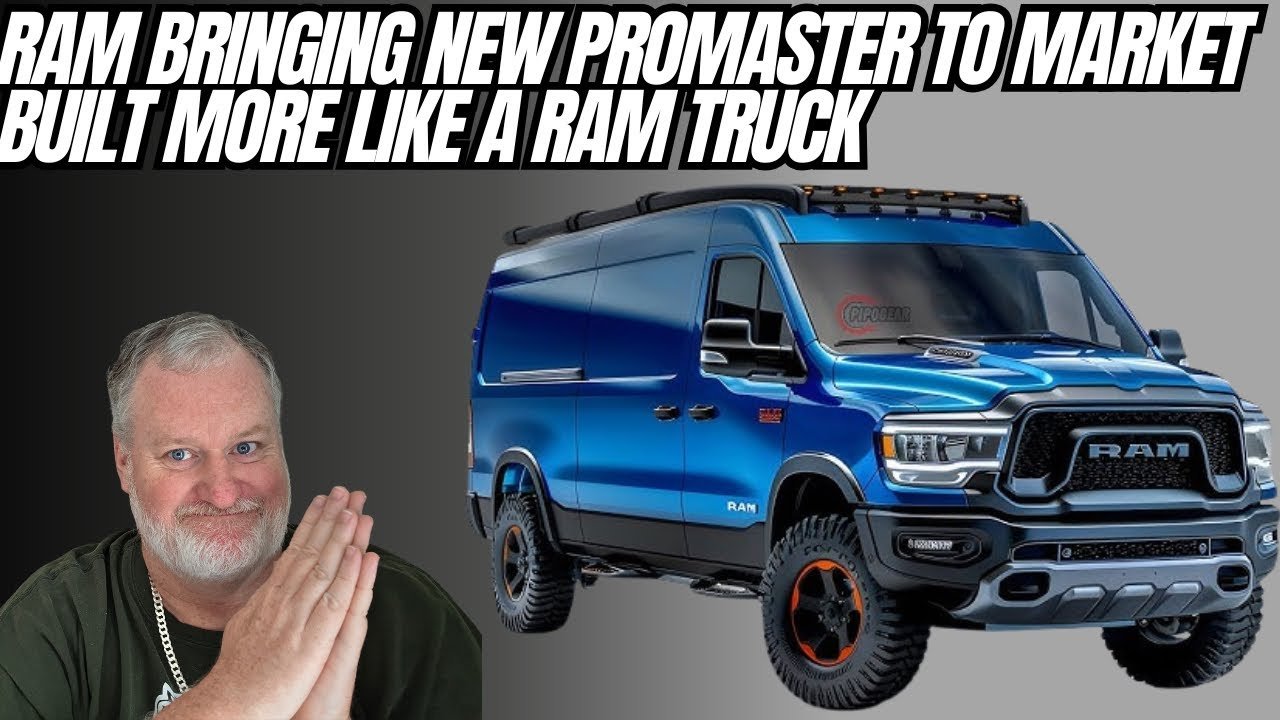
- A unified Ram design language across van, pickup, and full-size SUV (shared face, lighting, grille form, and hood attitude so you know it’s a Ram at a glance).
- SEMA tie-in: an upfitted/conversion concept to show off the van’s packaging and aftermarket friendliness (not guaranteed, but the timing and conversations line up).
The “maybe” column (still conflicting)
- Diesel option: I’m hearing “Cummins” mentioned—some say a small diesel, others say a gasoline Cummins. Both are possible in theory, but I’m not planting a flag here until I hear the same story from multiple reliable people. Consider this one TBD.
- EV carryover: I don’t expect it to lead the lineup, but I won’t rule out a compliance-oriented EV spec living in the background for select fleet bids. Prior plans existed; appetite is the question.
Why the 5.7L HEMI eTorque for a Van?
Three reasons: demand, certification, and packaging.




- Demand: The ProMaster’s core buyers aren’t buying vibes—they buy uptime. A stout gas V8 with simple service intervals and known aftermarket support checks boxes for fleets and converters.
- Certification math: Rolling a known HEMI architecture with eTorque (the mild-hybrid belt-starter generator) gives Ram a path to emissions/driveability gains without the cost and time of certifying a fresh powertrain from scratch for a niche volume van.
- Packaging: The ProMaster’s front-drive architecture historically made for easy low-floor cargo space but a “Euro” profile. If Ram modernizes the nose and cooling packaging, the HEMI + eTorque can fit the mission: tow, haul, idle, power accessories.
About eTorque (the straight talk)
eTorque isn’t a “real” hybrid in the Prius sense. It’s a mild-hybrid system that:
- Smooths start/stop and launches,
- Adds a little assist,
- Helps with accessory loads and calibration windows for emissions.
Downsides? Long-term battery replacement cost versus a simple alternator swap. It’s not a deal-breaker, but it’s something owners should plan for. If Ram specifies robust parts pricing and warranty support, fleets will get on board.
Design: The “This Is a Ram” Moment
Expect the face to do most of the talking:
- Bigger, bolder grille with Ram truck DNA (crossbar or block-letter emphasis).
- Headlamp signature that rhymes with the pickups and the coming full-size Ram-brand SUV (Wagoneer bones, Ram attitude).
- Squared-up front fascia that looks tougher and visually wider without killing approach angle for loading docks and ramps.
The goal is obvious: put the van in family, so a contractor’s driveway shows a Ram pickup, a Ram SUV, and a Ram van that all look like they belong together. Brand matters when you’re building a commercial ecosystem.
Conversion & Upfit: The Real Money Play
If Ram is smart—and I think they are—they’ll show:
- A camper/overland build that highlights 120V/12V integration, HVAC idle strategy, and roof load capacity without wrecking range/fuel economy.
- A trades van with modular shelving, on-board power, and tow calibration that feels confident at highway speeds.
- A shuttle/people-mover layout with factory-friendly seat anchor points and ADA-ready provisions.
A meaningful alternator output (or secondary power unit) and well-documented upfitter guides will matter more than a flashy press release. This is where a HEMI shines: power on tap, predictable heat management, and easy field service.
Diesel (and Gas Cummins?)—Pros, Cons, Reality Check
There’s a case for a small diesel in high-miles, heavy-payload duty cycles: fuel economy, torque down low, and longevity if emissions systems behave. But modern diesel aftertreatment can turn fleets off if trucks derate at the worst times. If a gasoline Cummins variant appears, the pitch would be durability with simpler emissions—think fleet comfort food.
My stance right now: interesting, plausible, not confirmed. Until the same story repeats from the right mouths, it stays in the rumor basket.
What to Watch Around SEMA
Even if Ram doesn’t drop a full spec sheet at SEMA, keep an eye out for:
- A ProMaster concept on the floor or in Ram’s media day materials, especially one wearing the new family face.
- Upfitter partnerships quietly highlighted in booth placards (electrical integration, roof racks, HVAC).
- Parts numbers or teaser slides hinting at eTorque calibration, accessory belts, or revised cooling stacks.
If you start seeing pre-production vans with truck-style lighting signatures, louder low-rpm exhaust note than the current van, and a tighter front overhang—yeah, that’s the one.
Ownership Questions I’d Ask Ram (and you should too)
- What’s the idle strategy for eTorque in hot/cold climates with high accessory load?
- Service intervals and parts pricing for the eTorque BISG and battery.
- GCWR and tow ratings across wheelbase/roof heights.
- Upfitter electrical access (factory pass-throughs, aux switches, high-output alternator options).
- Noise/heat management around the doghouse—if the HEMI’s in there, keep it quiet and cool for driver comfort.
Bottom Line
A HEMI-powered ProMaster with a tougher Ram face is exactly the kind of common-sense pivot that could wake this van up with fleets, builders, and conversion shops. The diesel/gas Cummins chatter is intriguing but not locked. The EV angle? I won’t say gone forever, but it’s not the headline anymore.
If Ram nails the calibrations, cooling, and upfitter support, this van stops being an afterthought and becomes a legit pillar next to the trucks and the full-size SUV. I’ll bring the receipts as soon as I can name names and part numbers—until then, consider this your roadmap for what’s coming and why it actually adds up.