



THE GUY WHO BROKE IT SAYS IT MIGHT BREAK UP—SHOULD STELLANTIS SPLIT?
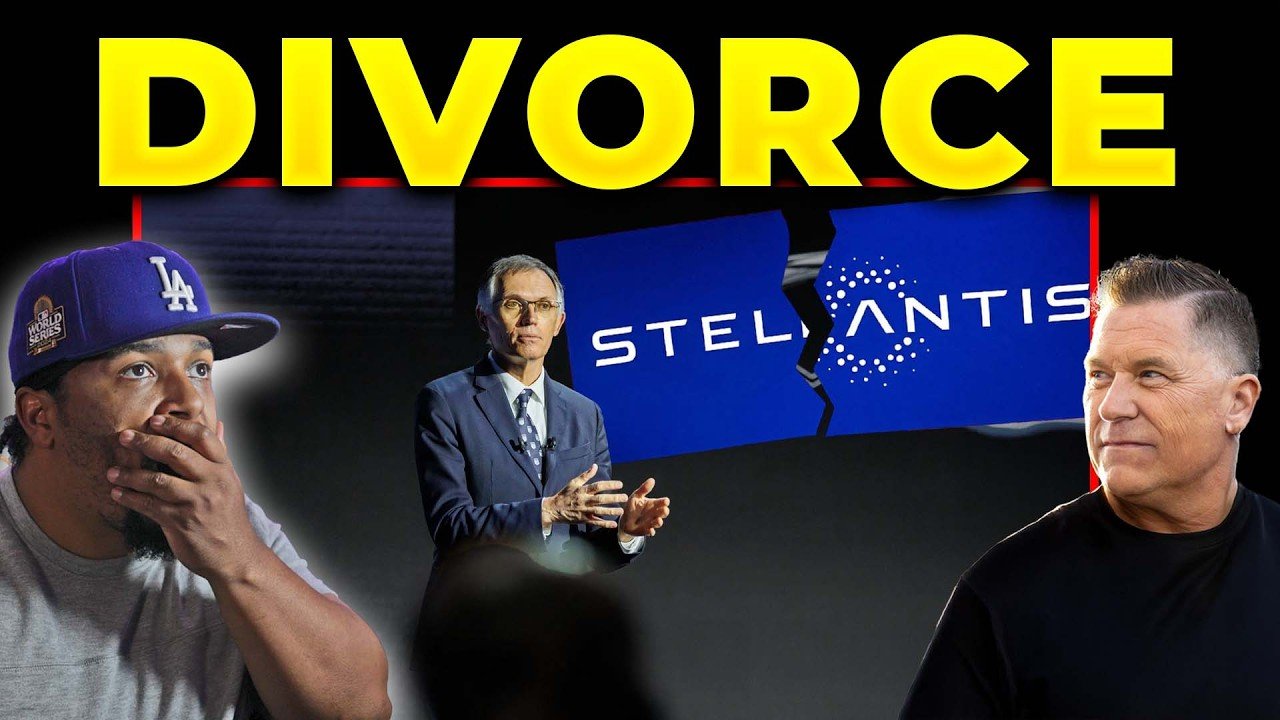
What’s up—Butter Da Insider here. The former Stellantis boss—yeah, the one many employees and dealers couldn’t stand—just dropped a book and floated the idea that Stellantis could split. For once, I’m not dismissing it. When a company tries to be all things to 14 brands across three regions, it’s easy to lose the plot. If the person who helped tangle it now says the knot might snap, I’m listening—and I’ve got thoughts.
I’ve been talking to people inside since the merger was inked—U.S. side, European side, product folks, union folks. A lot of them were glad to see that leadership era end. But some of the concerns laid out in the book track with what I’ve heard privately for years: conflicting priorities between Italy, France, and the U.S., and a central office that pushed cost cuts and EV-first strategy while starving North American ICE and hybrid development.




What actually broke
Let’s keep it simple. North America prints the money when the products match the buyers: HEMI trucks and SUVs, performance Dodges, credible Jeeps, and trims you can actually get without paying museum-piece prices. Instead, we got the opposite—HEMI exits, “future tech” with half-baked timing, halo cars canceled or delayed, and dealers sitting on inventory nobody asked for while the stuff people wanted never showed.
That’s not a market problem. That’s a decision problem.
The breakup case—brand by brand
The ex-CEO’s split scenario mentions regional pull-aparts. I’d go further and partition by business reality:
- Chrysler / Dodge / Jeep / Ram (Americas HQ): Give NA leadership full control of product roadmaps, emissions strategy, and pricing. Bring back HEMI-led options alongside hybrids, not instead of them. Keep dealer-installed Direct Connection/Power Brokers catalogs flowing so buyers can order the look/performance they want without losing warranty.
- Italian + French portfolios (EU HQ): Let them optimize for Euro regulations, smaller-displacement performance, and premium compacts. If someone wants to buy Alfa or Maserati, let the conversation happen. Those brands either get the funding and autonomy to stand on their own or they keep dragging governance into circles.
- Shared tech only where it saves time: electronics, infotainment, safety stacks, and manufacturing best practices. Powertrains, chassis tuning, and trims should be regional decisions.
That structure stops the daily tug-of-war over who gets engines, who gets colors, who gets tooling, and who gets told to wait another model year.
Why a U.S.-led unit would snap back fast
Because the blueprint never stopped working; leadership simply ignored it. Want proof?
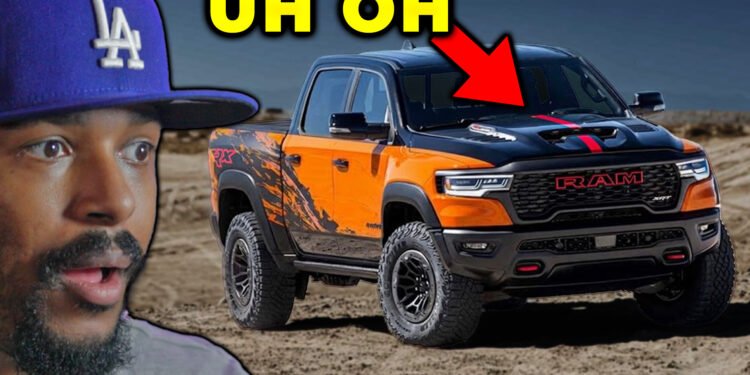
- Ram: The second you promise HEMI options (5.7, 392; TRX halo where it pencils), the phones light up. Pair it with realistic price ladders—$50–$60K for attainable street trucks, not $100K-only builds—and dealers stop drowning in six-figure floorplan.
- Dodge: Greenlight two real enthusiast products (shorter, lighter coupe; a genuine halo) and stop pretending the market asked for fewer cylinders and more software. Announce a next-gen HEMI path with hybrid assist and you restore credibility overnight.
- Jeep: Give Grand Cherokee the performance trim everyone expects, keep Wrangler 392 alive with limited runs, and stop skipping the obvious Grand Wagoneer V rival. Escalade-V is eating in every major city because nobody else showed up.
- Chrysler: Either execute a clean successor to the 300 with a performance angle or lean into a premium electric people mover and stop calling it “coming soon.”
None of that requires a miracle. It requires decisions.
“But wouldn’t a breakup weaken scale?”
Only where scale still matters. Shared infotainment, ADAS, and electrical architectures can remain common. Purchasing on commodities stays pooled. Where scale has been toxic is product meddling—forcing North America to sell what Brussels likes, and forcing Europe to pretend it wants 700-hp family haulers. Split governance lets each region build what sells where it sells.
What happens to the book’s “China could buy the Euro brands” line?
If a credible buyer steps up and regulators allow it, that’s a board call. My view: I’d rather see focused owners for Alfa/Maserati than watch them get dragged into another cycle of promises and underfunded launches. Meanwhile, an autonomous U.S. unit can stop waiting for approvals and start shipping iron.
The scoreboard nobody likes to read
Under the last regime, profits went from massive to meager while goodwill burned with employees and dealers. The UAW literally spun up campaigns aimed at leadership decisions. European unions protested. U.S. customers watched the HEMI get sunsetted while the replacement plan wobbled. That’s not “disruption”; that’s unforced errors.
If they don’t split, what’s the fix?
Put the Americas in charge of their own destiny—no half-measures. Set hard dates for:
- A Gen-4 HEMI roadmap with hybrid assist and emissions compliance spelled out.
- A performance calendar: Dodge halo, Ram TRX revival, Jeep SRT-grade trims.
- Transparent price ladders: attainable models first, six-figure halos second.
- Dealer programs that keep mods warranty-safe and on brand.
Those four moves would neutralize most breakup talk without touching the corporate structure.
Where I land
I’m not clapping for the guy who helped create the mess just because he finally said the quiet part out loud. But he’s not wrong that the triangle—Italy, France, U.S.—pulls in different directions. Either split the company so each side runs its playbook, or split the decision rights so the U.S. stops being held hostage by strategies that don’t sell here.
If the new leadership delivers HEMI options, real performance, and aggressive pricing—and lets America run American products—Stellantis doesn’t need a divorce. If they can’t, then it’s time to put Chrysler/Dodge/Jeep/Ram back in their own house and get to work.
Drop your take below: full breakup, regional autonomy, or status quo? And if we do split, which two products should the U.S. unit greenlight first to prove the point?