










Another Preventable Tragedy: Why CDL English Standards Aren’t Optional
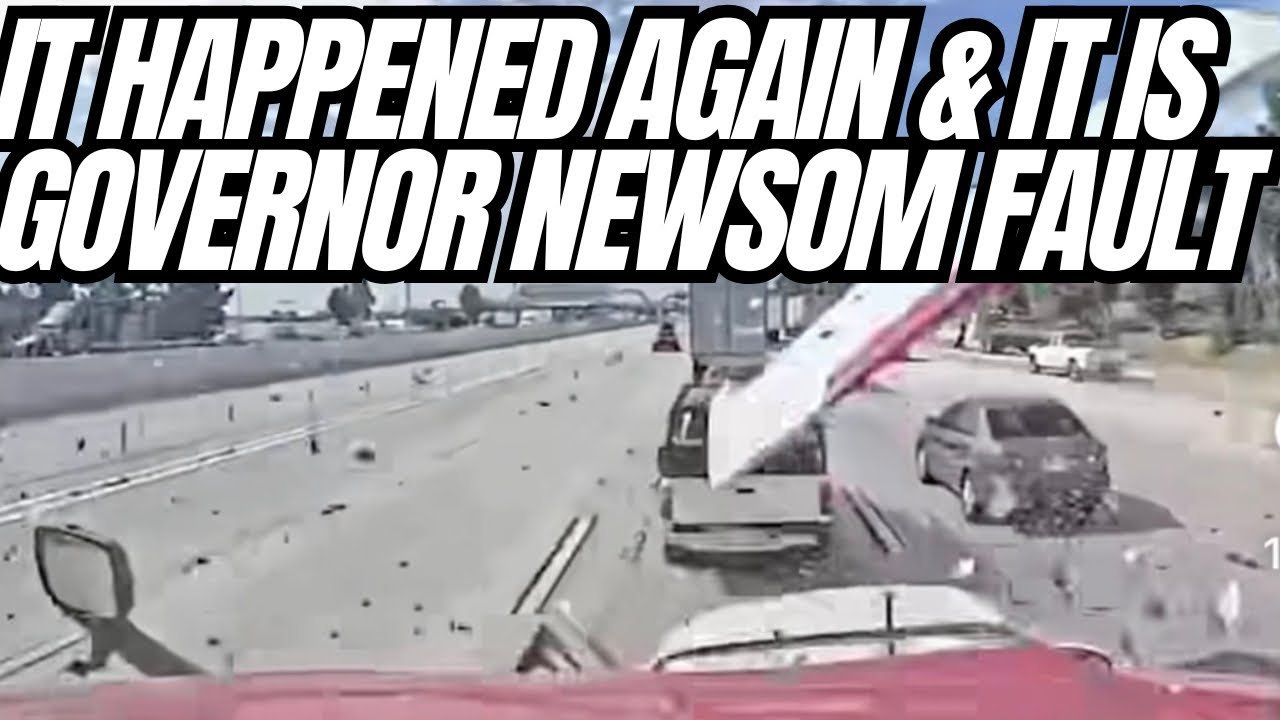
What is up, guys—welcome back to TK’s Garage. I wish this wasn’t the headline, but here we are again. A red semi on westbound I-10 near Ontario plowed into traffic, igniting a chain-reaction crash that killed three and hospitalized others. The 21-year-old driver was arrested on suspicion of DUI. On top of that, first responders said communication at the scene was a mess—because the driver couldn’t communicate in English.
I don’t post crash clips for clicks. I posted this one because it shows exactly how fast 80,000 pounds turns into a weapon when the person behind the wheel can’t read warnings, process lane-closure boards, or follow verbal instructions in a crisis. That isn’t culture war fodder. It’s Physics 101.
Related Post




The standard is simple: if you drive an 80,000-lb rig here, you must read our signs and talk to our cops
Aviation figured this out decades ago. Commercial pilots worldwide use English as the working language—because shared comms prevent chaos. Highways aren’t different. Lane closures, detours, crash scenes, hazmat—none of that works if the driver can’t understand what’s being asked in real time.
Every state but one moved to enforce English proficiency in CDL testing. California didn’t. DOT pulled federal dollars. You can argue politics all day—meanwhile, families are planning funerals. This isn’t about punishing immigrants. It’s about minimum operating standards for machines that can erase a minivan in a blink.
“But the cause was impairment, not language”—both can be true
The arrest report cites suspected drug impairment. That’s horrific on its own. But here’s the point: when seconds matter, communication is a safety system. If the driver misses “SLOWING TRAFFIC AHEAD” on the board, can’t understand an officer’s shouted command, or can’t give coherent info to EMS, risk compounds. Standards are layered on purpose—seatbelts, brakes, hours-of-service, language—because any one layer can be the last thing standing between chaos and control.
California’s enforcement credibility is already shaky
The state’s been leaning on roadside stings and—incredibly—email “enforcement” to fill the budget gaps. Now, with federal funds frozen over the CDL issue, field operations are wobbling. If you can’t keep your own safety house in order (testing, licensing, checkpoints), don’t be surprised when DC flips the switch.
What should happen next
- Immediate compliance with CDL English standards, tested and documented during licensing—not after a crash.
- Way-station spot checks that include quick verbal exchanges. Fail basic communication? Park it until you don’t.
- Real crash transparency: publish the driver’s license status, testing history, company safety record, and ELD logs once investigations allow. Sunlight beats rumor.
- Target the right things: impaired driving, fake CDLs, paper-log nonsense, and carriers that churn through unqualified drivers.
If you’re a driver or fleet owner, take the hint
- Make sure every CDL holder on your payroll can pass a real English interaction—signs, instructions, roadside stops.
- Audit ELDs and drug/alcohol compliance now. You don’t want your first review conducted by a coroner.
- Train for breakdowns, flares, lane closures, and multi-agency incident scenes. Practice the comms.
My take
I don’t care where you’re from or what language you speak at home. If you’re operating a semi here, you need to read the signs and speak the language used to manage emergencies. That’s not bigotry; that’s baseline safety. California can posture, but the highway doesn’t negotiate. When communication fails at 60 mph, people burn.
Say a prayer for the families who lost loved ones. Then call your reps and demand what every other state already did: enforce the standard. We can argue policy tomorrow—tonight, somebody isn’t coming home because layers that should have caught this didn’t.
Drop your thoughts below—keep it respectful, keep it factual. And as always, stay petty, my friends.Thinking
ChatGPT can make mistakes. Check