








Feds Cut the Cord: Why California’s Roadside Smog Stings Are About to Stall Out
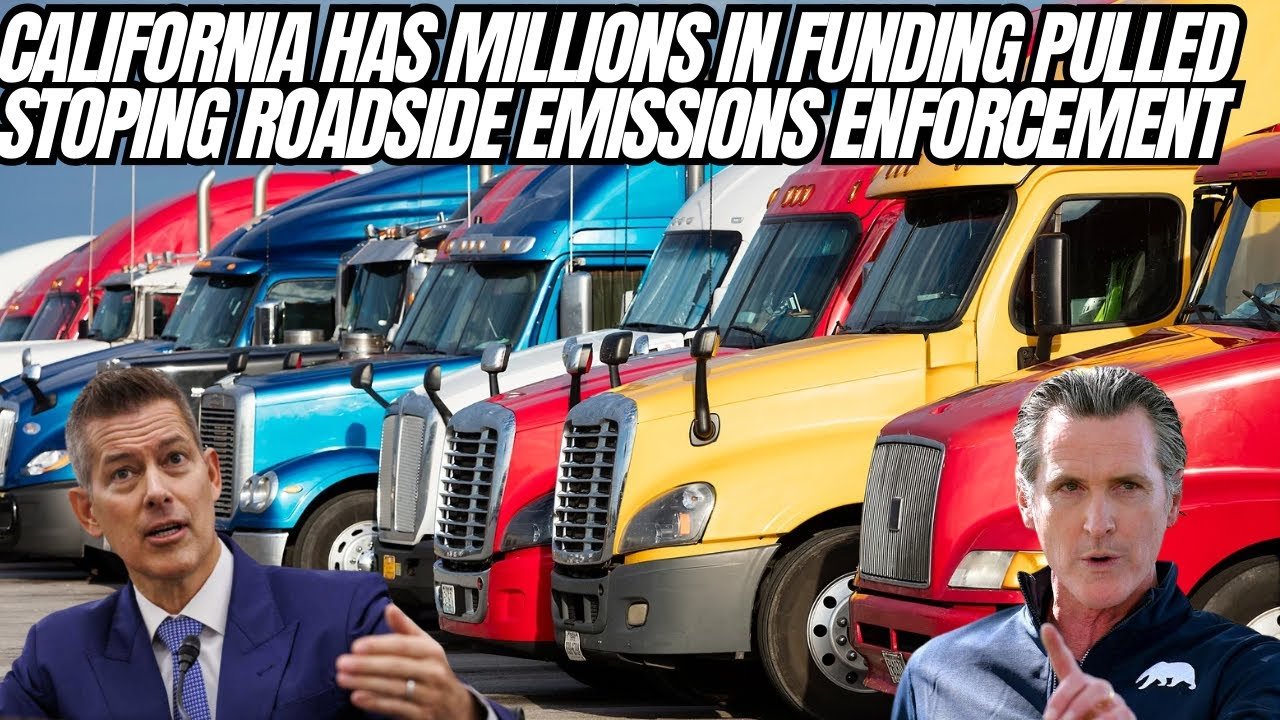
What is up, guys—welcome back to TK’s Garage. I’m on the road, but this one needed a fast drop. California tried to play chicken with the feds over English-proficiency rules for CDL testing. Every other state complied. California didn’t. The U.S. Department of Transportation just answered by withholding $40 million—and that money feeds the same CHP/CARB/BAR machine that runs those roadside smog and emissions checkpoints. Translation: the cash that powers the tents, scanners, and pop-up inspections isn’t coming anymore.
This isn’t just a slap at CARB. It hits California Highway Patrol and the Bureau of Automotive Repair right where they live—overtime, special ops, and the logistics that make “surprise” stops possible. And if the state keeps thumbing its nose, DOT’s telegraphing bigger freezes next—numbers that start to bend payroll and scheduling, not just weekend blitzes.




How We Got Here
DOT set a 30-day clock for states to implement English testing for CDL. California let it run out. Now, the first $40M is iced, with larger tranches queued up if Sacramento keeps stalling. Meanwhile, CARB’s been scrambling—grants paused, staff leaving, email “enforcement” notices instead of boots on the ground. You can’t fund roadside operations with vibes and Mailchimp.
Why It Matters on the Ground
For drivers, RV owners, and small fleets rolling through California, this has real-world impact:
- Fewer roadside checkpoints: With the federal spigot shut, expect operations to shrink or pause.
- Paper-only pressure: Agencies will lean into mailed or emailed notices—easy to challenge, messy to prove.
- Budget triage: If the next funding cuts hit, CHP and BAR start feeling it in staffing and special assignments.
The Email “Enforcement” Problem
CARB’s pivot to citation-by-email was already a due-process nightmare: unverified senders, no inspection chain of custody, and “click to pay” links that look like phishing. Courts want evidence and proper service, not screenshots and a Gmail. With field money drying up, the inbox becomes their only lever—and it’s a weak one.
My Read
California tried to call DOT’s bluff. DOT didn’t blink. If the state wants to keep roadside stings alive, it needs to comply, fund it itself, or both. Otherwise, those white tents and portable sniffers become a rare sight—and the state’s enforcement posture shifts from hands-on to hope-you-pay.
If You’re Rolling Through California
Not legal advice—just how I’d play it:
- Keep docs tight (CDL, registration, med card, maintenance logs).
- Run a dash cam and save timestamps of stops or checkpoints.
- Treat email notices like possible phishing: don’t click links; verify through official portals or phone numbers you look up yourself.
- If you get cited, ask for evidence (date/time/location, plate match, inspection record) and proper service.
Final Word
Cutting off federal cash changes behavior fast. CARB, CHP, and BAR can’t run roadside theater without a bankroll. If California wants to keep flexing, it’s going to have to do it by the book and on its own dime—not with inbox IOUs.
Drop what you’re seeing on the ground below—drivers, shop owners, inspectors. Keep it factual, keep it respectful, and as always, stay petty, my friends.