
Wards 10 Best or 10 Best-Positioned? Breaking Down the Charger Daytona Win
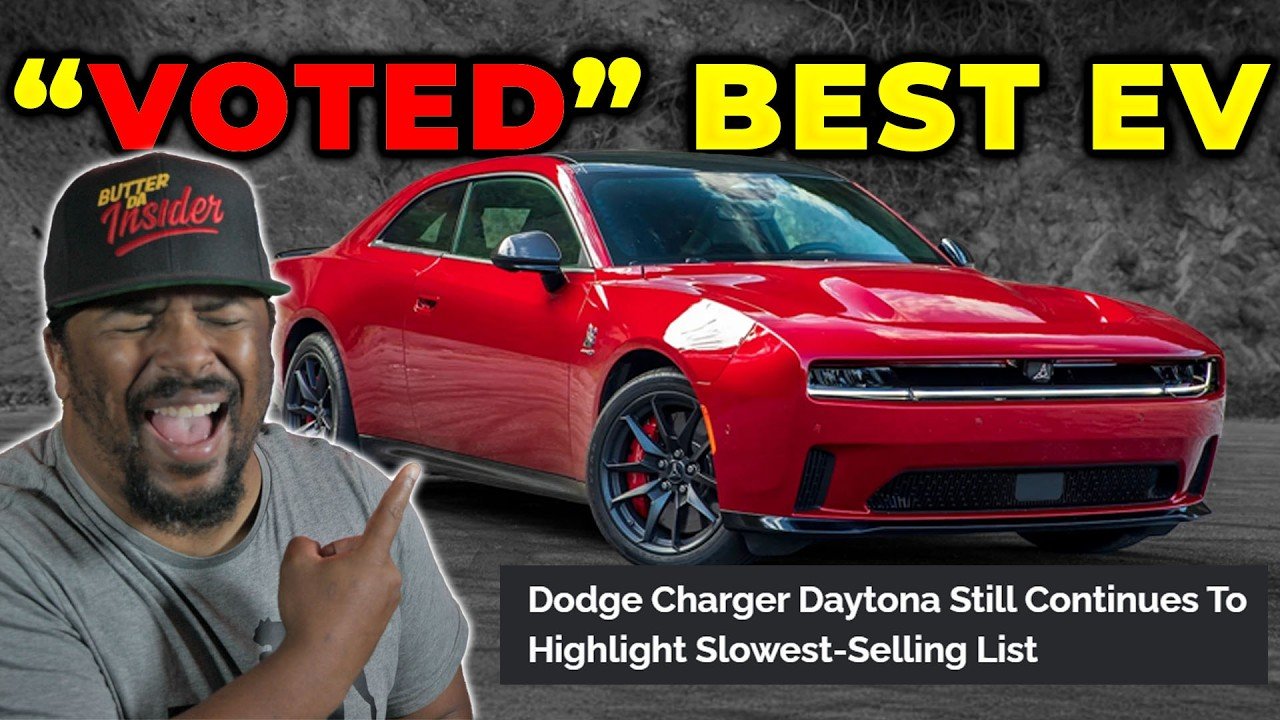
Wards announced its 2025 “10 Best Engines & Propulsion Systems,” and the headline-grabber—for Mopar folks and skeptics alike—is the Dodge Charger Daytona making the cut. On paper, Wards says it recognizes the year’s standout propulsion tech across ICE, hybrid, and EV. In practice, this list reads like a marketing mashup: heavy bias toward electrified entries, head-scratching omissions, and winners that raise eyebrows when you compare hardware across sister brands.
Here’s a clean, no-spin breakdown of what the award claims to honor, what actually showed up, and why the Charger Daytona’s inclusion tells you more about the award format than about absolute drivetrain greatness.
What Wards says it’s measuring (and why that matters)
Per their own write-ups, Wards evaluates:
Related Post


- Performance & drivability (responsiveness, smoothness)
- Efficiency & innovation (tech advancement, real-world results)
- Usability & integration (NVH, calibration, day-to-day livability)
- Market relevance (newness, timing, segment impact)
That’s a wide net. It allows EVs, PHEVs, and mild hybrids to score points for quietness and efficiency even if they’re not the quickest, most durable, or most satisfying long-term powertrains for enthusiasts. It also favors what’s new over what’s unquestionably excellent but not fresh this model year.
Translation: a “10 Best” list under these rules won’t mirror what gearheads consider the 10 best engines. It’ll mirror who submitted the right new powertrain and checked the electrification boxes.
The electrification tilt—by design, not accident
This year’s list is dominated by EVs and hybrids, with only one straight ICE winner. That’s not a conspiracy; it’s the rubric. Electrified powertrains crush NVH, calibration smoothness, and “future relevance.” If you weight those categories heavily, a hushed EV beats a rowdy V8 nine times out of ten—regardless of sales, reliability history, or enthusiast love.
That’s how you end up with:
- A plug-in M5 celebrated over BMW’s howling ICE icons,
- Family EVs and hybrids crowding the stage,
- And yes, an electric Charger grabbing a trophy in a year when Dodge is still wrestling software, pricing, and buyer fit.
The Charger Daytona win—what it does and doesn’t mean
What it means:
- The Daytona’s calibration team nailed a blend of launch shove, low-speed smoothness, and that curated “e-muscle” sound that scores well on Wards’ NVH and “everyday usability” criteria.
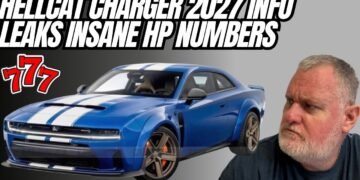
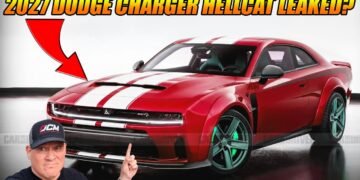
- On a spec sheet, 670 hp in a sleek package looks like bold hardware—exactly the kind of “new tech” Wards tends to reward.
What it doesn’t mean:
- That it’s outselling, outperforming, or out-delighting the market vs. proven ICE heroes. Sales volume and long-term ownership experience aren’t part of a week-long evaluation window.
- That competing drivetrains with similar hardware aren’t as good. Which brings us to…
The awkward twin: when shared tech loses across badges
A glaring contradiction the community noticed: Jeep Wagoneer S uses closely related Stellantis electric propulsion bits to the Daytona (motors/inverters/software family), yet doesn’t make the trophy list while Daytona does. If the tech backbone is largely shared, why the split decision?
- Narrative & positioning: An “electric muscle car” is an easier story for a trophy than a premium EV crossover—especially when “performance + emotion” boxes need ticking.
- Packaging & tune: Even with shared components, pedal mapping, cooling targets, and sound design can tilt a subjective score.
- Halo bias: New halo = fresh headlines. Award lists love headliners.
Still, it’s hard to square “Daytona wins” while the mechanically adjacent Jeep entry sits out. If the core hardware’s strong, consistency across badges should show up.
The snubs that make enthusiasts roll their eyes
Under a purist’s metric (power density, thermal resilience, lap repeatability, shift logic, etc.), you could rattle off ICE and hybrid powertrains that many would rank ahead of the Daytona’s EV stack for “best” in an absolute sense:
- Chevy’s high-output V8 platforms (beyond just the newest forced-induction variant),
- Cadillac’s Blackwing V8,
- Toyota’s GR performance ICE,
- Stellantis’ own Hurricane inline-six in RHO tune for trucks.
But again—those aren’t what this award is truly grading, especially if they aren’t brand-new entries this cycle. The result is a list that feels cherry-picked even when it’s just following the rubric.
Why awards like this keep leaning EV—even if the market hesitates
Three reasons:
- Test loop bias: Short, controlled loops favor calm NVH and instant torque. Long-term reliability, thermal cycling, and ownership hassles don’t show up in a day.
- PR gravity: OEMs push their newest electrified tech to judges. Freshness wins airtime.
- Regulatory zeitgeist: Publications feel pressure to applaud tech that aligns with policy direction. It reads “forward-looking,” whether or not buyers line up.
None of that makes the Daytona a bad choice—just not the definitive “top-10 drivetrain in America” many enthusiasts imagine when they hear the title.
How to read the list without losing your mind
- Think “Best This Year (Per Rules),” not “Best Ever.” If it was launched lately and integrates nicely, it has a shot—regardless of lifetime greatness.
- Separate hardware from hype. A good calibration can win trophies; it doesn’t guarantee ownership joy if software gremlins or charging realities show up later.
- Cross-shop your use case. If you’re a daily commuter with home charging, the traits Wards rewards might line up perfectly for you. If you road-trip, tow, or track, your “top 10” will look wildly different.
Where the Charger Daytona actually shines
Credit where due:
- Power-on-demand: Instant torque and a stout top-end give it the straight-line drama a muscle badge needs.
- Sound design: Love or hate the synthesized note, Wards grades “experience,” and Dodge brought a point of view.
- Ride & NVH: EV mass and tuning can deliver a composed daily—even if weight isn’t a track friend.
Where it’s vulnerable:
- Software stability: Early-owner reports matter more than trophies.
- Value perception: Deep price cuts and shifting incentives confuse buyers about what the car should cost.
- Segment fit: Muscle buyers still love engine character; some will never be sold on electrons.
The takeaway: trophy ≠ truth, but it’s a datapoint
Wards’ 10 Best isn’t a referendum on what enthusiasts worship; it’s an annual snapshot of new propulsion tech that integrates smoothly and feels future-ready in short, curated tests. Under those rules, the Charger Daytona can absolutely score. Does that elevate it above legendary ICE packages or even similar EV hardware wearing a different badge? Not automatically.
So applaud the calibration team. Enjoy the win. But don’t confuse a plaque with a verdict. If your metric is soul, serviceability, resale, and repeat abuse, your personal “10 Best” will still be full of cams, compression, and controlled explosions—and that’s okay.
Bottom line: The award tells you what Wards values this year. Your driveway should reflect what you value every day.