









Gas-powered cars sit at the center of a visceral driving culture, and that truth matters to many enthusiasts. The sound of a cold-starting V8 feels like a mechanical symphony, and moreover it signals stored potential in a way a speaker cannot replicate. Some automakers, however, now try to fake that feeling with digital soundtracks and simulated gear shifts. Consequently, those attempts reveal an admission: engineers believe the internal combustion experience holds unique appeal. Therefore, enthusiasts see synthetic notes and false shifts as an insult rather than innovation. In addition, this tension frames a broader debate about what driving should feel like. For example, a vocal community still values tactile feedback, shifting skill, and the roar of an engine. Ultimately, this article lays out five reasons gas-powered cars remain, for true drivers, the more authentic choice.
1. The Unbeatable Symphony of Gas-Powered Cars
Sound and sensation form the core of the enthusiast experience, and a gasoline engine delivers both in abundance. Each engine configuration has a distinct voice: a flat-plane V8 screams at high revs, while a big-block grumbles with low-end authority, and turbo engines add whistles and spools. Consequently, every crackle, pop, and rev communicates engine state and invites a response from the driver. In addition, vibrations and harmonics give tactile feedback through the chassis and controls, which helps drivers sense RPM and load. However, some manufacturers now add artificial notes, and those additions often feel inauthentic. For instance, speakers that mimic exhaust tones may succeed at volume, but they cannot reproduce the mechanical origin of sound. Therefore, while EVs excel at quiet efficiency, they sacrifice an honest sensory dialogue that many drivers consider essential to the sport of driving.
2. The Mechanical Connection: Why Shifting Matters
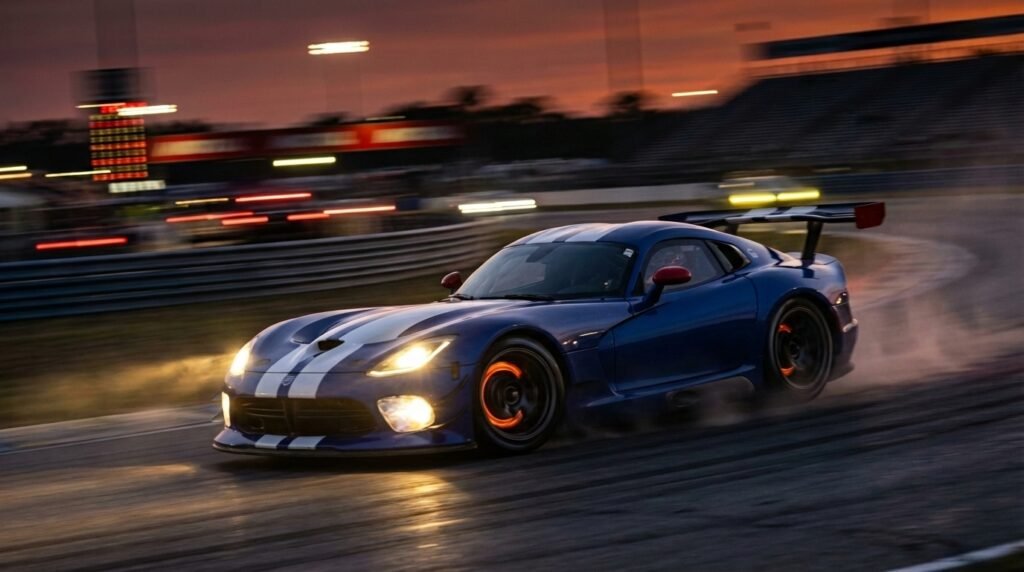
Manual transmissions have long symbolized engagement because they require active participation from the driver, and a well-timed heel-toe downshift creates a sense of mastery. As a result, drivers learn to manage revs, clutch engagement, and braking simultaneously, which builds skill and connection to the car. In contrast, electric vehicles deliver instant torque through a single-speed setup, and although that setup yields rapid acceleration, it removes the need to work the gearbox. Moreover, some automakers simulate shifts in software, and those efforts often feel contrived. For example, Hyundai’s “e-Shift” mimics multi-gear behavior to provide perceived drama, yet there are no physical gears or clutch to engage. Consequently, many enthusiasts view simulated shifts as an ersatz solution that highlights what is missing rather than creating a new, deeply satisfying driving ritual.

3. Mastering the Powerband: The EV’s Missing Challenge
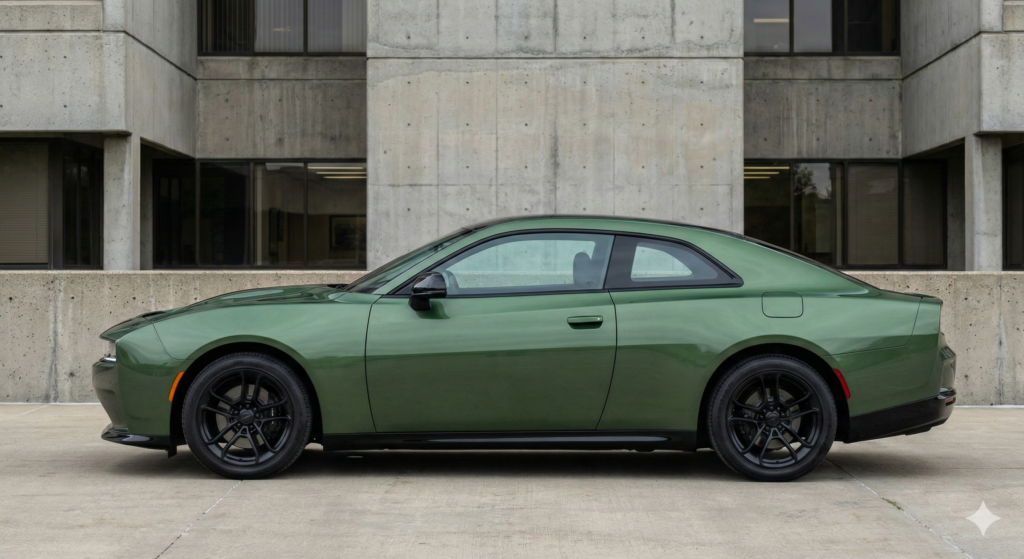
Performance driving rewards timing, anticipation, and the ability to keep an engine in its effective powerband, and that requirement creates a continuous challenge for the driver. For instance, with a combustion engine you must plan gear selection to stay in the sweet spot, and you must modulate throttle to maintain balance through a corner. In addition, turbocharged engines demand attention to spool and lag, which adds strategic depth. By contrast, electric torque is immediate and largely linear, and that characteristic flattens the learning curve for extracting speed. Therefore, the nuance of working with a shifting power curve diminishes in EVs, and the car often handles more of the work automatically. Consequently, some drivers find that an important layer of skill and satisfaction disappears, because the pursuit of managing engine behavior becomes unnecessary.
4. Real-World Freedom: The 5-Minute Fill-Up

Gas stations and the refueling routine support spontaneous travel in a way charging infrastructure has not yet matched, and for many drivers that practical freedom matters as much as performance. A full tank typically takes only minutes, and moreover fuel networks are dense and predictable across most regions. By contrast, EV trips often require planning around charger locations, availability, and compatibility, and those factors can turn a simple drive into logistical work. In addition, charging times vary widely and can be affected by weather, battery condition, and station load, so stops are often longer and less predictable. Consequently, long-distance spontaneity declines for many electric owners, and range anxiety becomes a persistent mental tax. Therefore, until fast, reliable, and ubiquitous charging is the norm, gasoline remains the more convenient option for drivers who prize immediate mobility.
5. A Legacy of Steel, Sweat, and Speed
Internal combustion cars carry a tangible heritage that fuels a hands-on community, and that culture shapes how people relate to vehicles across generations. For example, car shows, garage restorations, and aftermarket tuning revolve around mechanical parts like engines, transmissions, and exhausts, and these activities foster skills and bonds passed down from parent to child. Moreover, enthusiasts take pride in wrenching, modifying, and understanding the hardware beneath their hoods. In contrast, many EVs present sealed systems and software-driven updates that limit owner access, and thus the traditional do-it-yourself culture has less to work with. Therefore, while an EV community exists and often centers on technology and efficiency, it tends to differ in focus from the multi-generational mechanical passion built around ICE cars. As a result, many enthusiasts fear that that long-standing culture may erode as platforms shift.
Conclusion: Authenticity Always Wins
Electric vehicles represent impressive engineering, and they bring clear advantages in efficiency and straight-line acceleration, yet they also change what driving feels like at a fundamental level. For passionate drivers, the growl of an engine, the tactile feedback of a shifter, and the skill required to manage a powerband create emotional rewards that simulated sounds and phantom shifts cannot fully reproduce. Consequently, when automakers add fake exhaust notes and digital shift cues, many see those features as an admission rather than an innovation. In addition, critics argue these efforts attempt to patch an experience that the new platforms no longer naturally provide. Therefore, for those who prioritize authenticity, gas-powered cars continue to offer a distinct, deeply satisfying connection that remains hard to match.
Source: The Drive – Why Do Fake Gear Shifts in EVs Make People So Mad?