




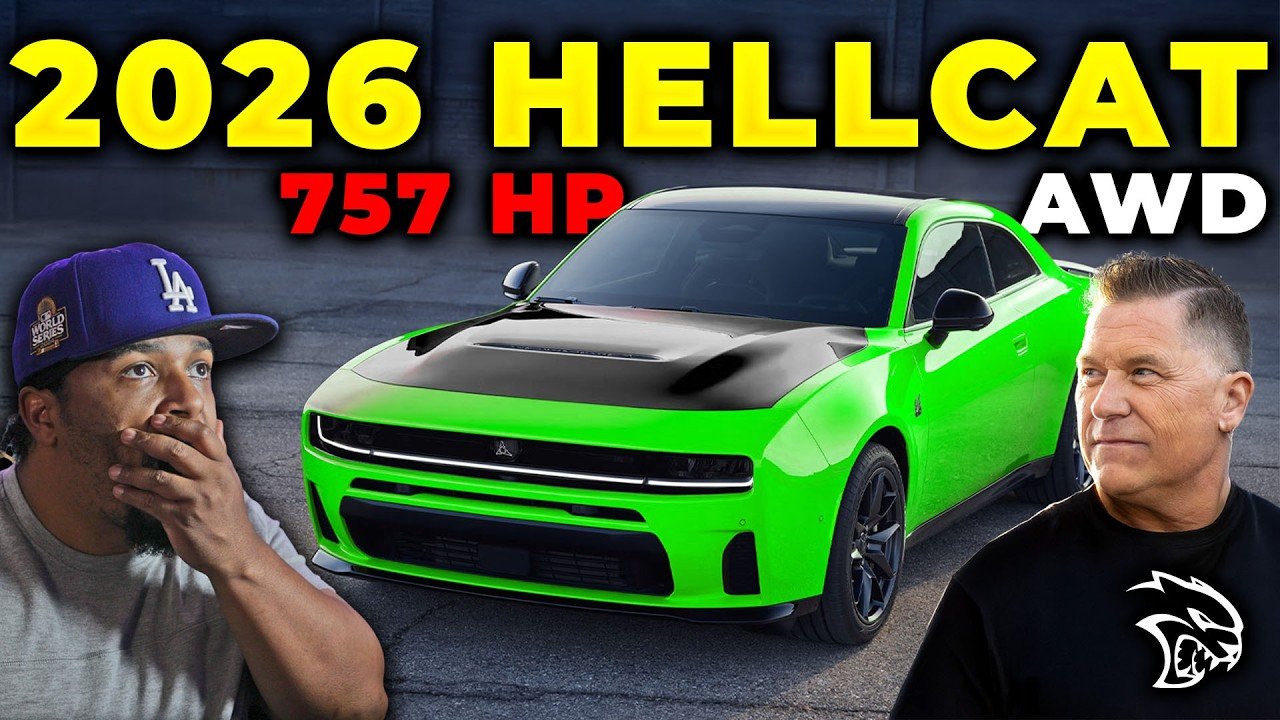
We Want More Horsepower — So Let’s Stop Designing Around CARB
Car people don’t debate whether we want more power. We debate how fast we can get it without melting the credit card. And right now, the biggest thing blocking factory horsepower isn’t engineering—it’s paperwork. Dodge’s own Direct Connection program already proved there’s a pile of power sitting on the table, gated by calibration and certification. Meanwhile, CARB-aligned states are shutting the door on many 392 and supercharged HEMI models altogether. If those markets are off-limits, why are the rest of us still getting the “CARB-safe” version of the party?
Here’s the reality: Stellantis has drawn a line. The Durango 392 and Durango Hellcat won’t be sold in those 17 CARB states. Expect the same logic for any future 6.2L supercharged HEMI offerings—and likely other big-inch V8s. If that’s the map, then Dodge should lean into it. Federal-only cars shouldn’t be tuned like they’re headed for Sacramento. Give them the power we already know exists, straight from the plant, with warranty and paperwork intact.
Direct Connection is the tell. When Dodge first reintroduced factory stage kits and talked publicly about 50-state-legal gains, it revealed how much output is software-governed. The barriers since then haven’t been pistons or rods; it’s been process. So skip the dealer-installed controller, skip the hokey “come back later” dance, and build the calibration into the car at birth. VIN-tied, plant-flashed, clean and supported. No dangling screens, no “Power Brokers” install fees, no guessing. Just factory horsepower that behaves like factory horsepower.



Keep it simple in the driver’s seat, too. The old red-key/black-key split was brilliant because it made serious power intuitive. Bring that back as the interface for stage maps: black key for baseline, red key for the full send. It’s proven. Owners understand it. Insurers understand it. Techs understand it. And it avoids the aftermarket mess while still delivering the punch people are paying for.
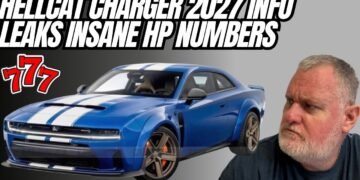
If you really want to make it sing, standardize flex-fuel on every supercharged HEMI. The Demon 170 showed how civilized and potent a well-executed E85 strategy can be. Let the ECU read ethanol content and scale output automatically. Fill up with 93, get your everyday map. Fill with E85, the calibration wakes up. For buyers who actually drive their cars, it’s cheaper to feed than premium and more consistent in the heat. That’s real-world performance, not brochure math.
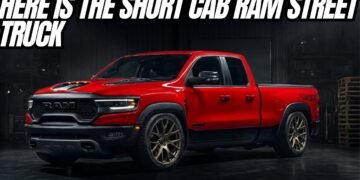
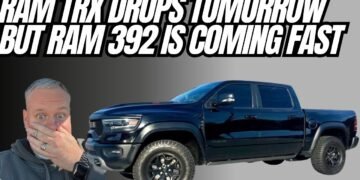
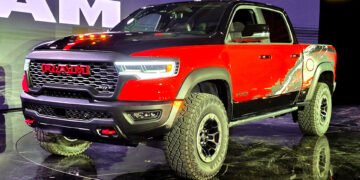
This isn’t just enthusiast pandering. It’s a clean business case. Federal-state buyers are the only ones who can purchase these trims anyway—so optimize for them. Ship the power they want without sending them on a scavenger hunt for an authorized installer, and you strengthen trust in the brand. You also step right over competitors who are now comfortably clearing 700 horsepower in showrooms. If a TRX returns, it shouldn’t return to parity; it should return to a lead. The same goes for the next wave of SRT-badged SUVs and sedans: if they can’t be sold in CARB markets, don’t pretend they might be. Build them for the customers who can actually sign the paperwork.
What about compliance when a federal-state car migrates to a CARB state later? That’s already a legal gray zone for owners, and it’s not Dodge’s job to preemptively nerf an entire lineup on the off chance someone moves. Be transparent on the sticker, build the cars to the rules of the market where they’re sold, and let owners navigate their own relocation choices like they do with lifted trucks, tint, plates, and everything else.
One more thing: the more Dodge waits, the more customers drift. Performance buyers don’t sit on their hands—they cross-shop. When you price and tune around hypothetical regulators instead of real drivers, you turn a showroom into a waiting room. The fix is simple and loud: put the stage power in the software, pair it to the keys, and make E85 standard on every supercharged HEMI. Then say the quiet part out loud: “These trims are federal market only—so we gave them everything.”
Car culture runs on confidence. Confidence that the spec on paper is what you’ll feel on the on-ramp. Confidence that the brand has your back if something breaks. Confidence that your money bought you muscle, not a promise. Dodge already has the engineering. The customers already have the appetite. The markets are already split.
So stop designing around CARB. Start designing around us. Unlock the horsepower where it’s legal, make it factory-simple, and let the HEMI era roar for the people who can actually buy it.